
A septic system treats all of your home's wastewater right in your yard. It doesn't need much, but what it needs, it needs on schedule. With regular care, septic systems last for decades. Neglected, they fail early, and a new drain field or tank is one of the most expensive repairs a homeowner can face.
Septic Maintenance at a Glance
- Pump the tank every 3 to 5 years for most households.
- Have it inspected at least every 3 years, and about once a year if your system has a pump, floats or an alarm.
- Only flush human waste and toilet paper.
- Spread out water use, especially laundry.
- Protect the drain field: no parking, building or planting trees on it.
How a Septic System Works
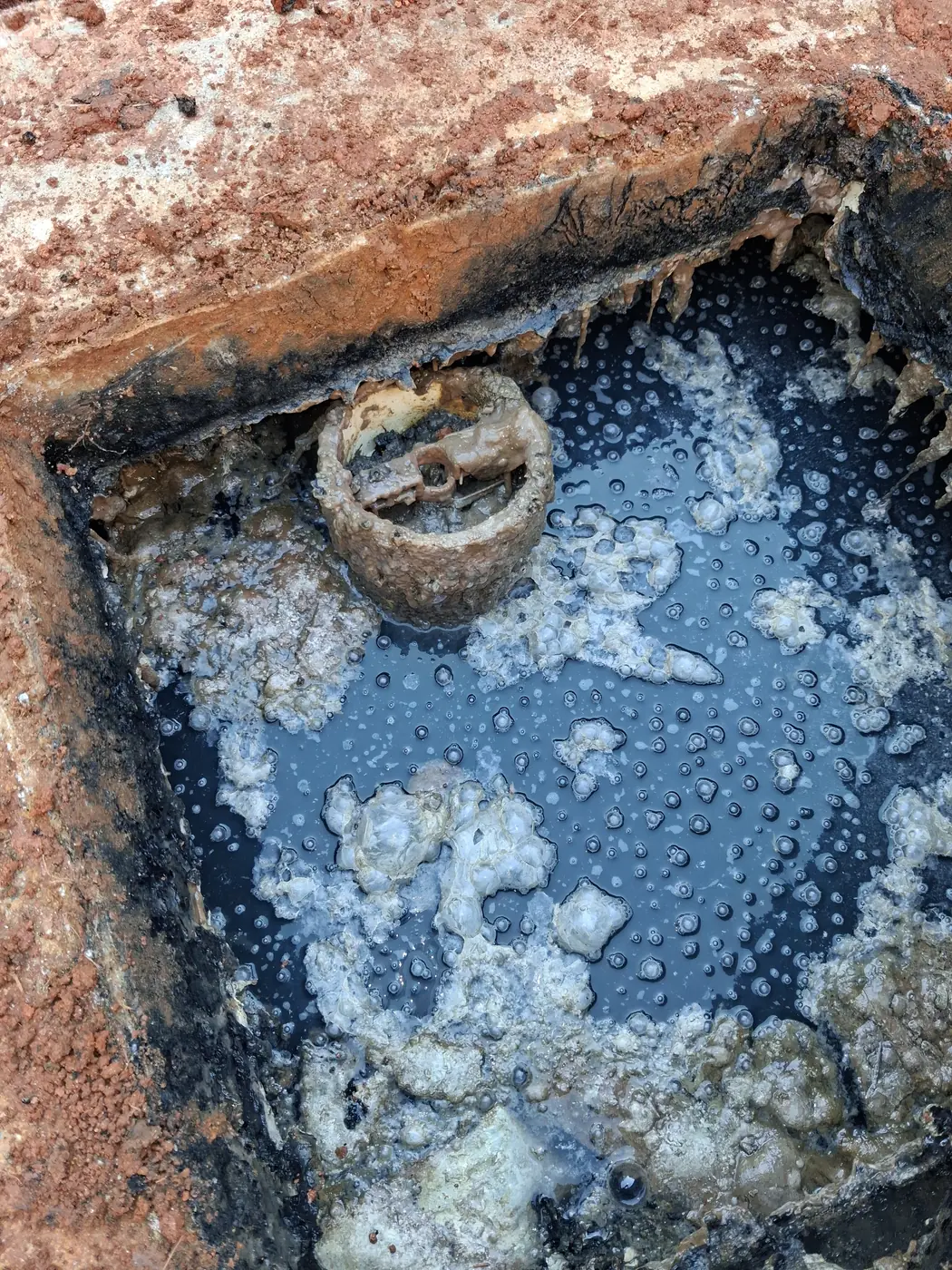
Everything that goes down a drain in your house, from the toilets, showers, kitchen and laundry, flows into the septic tank. In the tank, solids settle to the bottom as sludge, grease and light material float to the top as scum, and bacteria break down the organic waste.
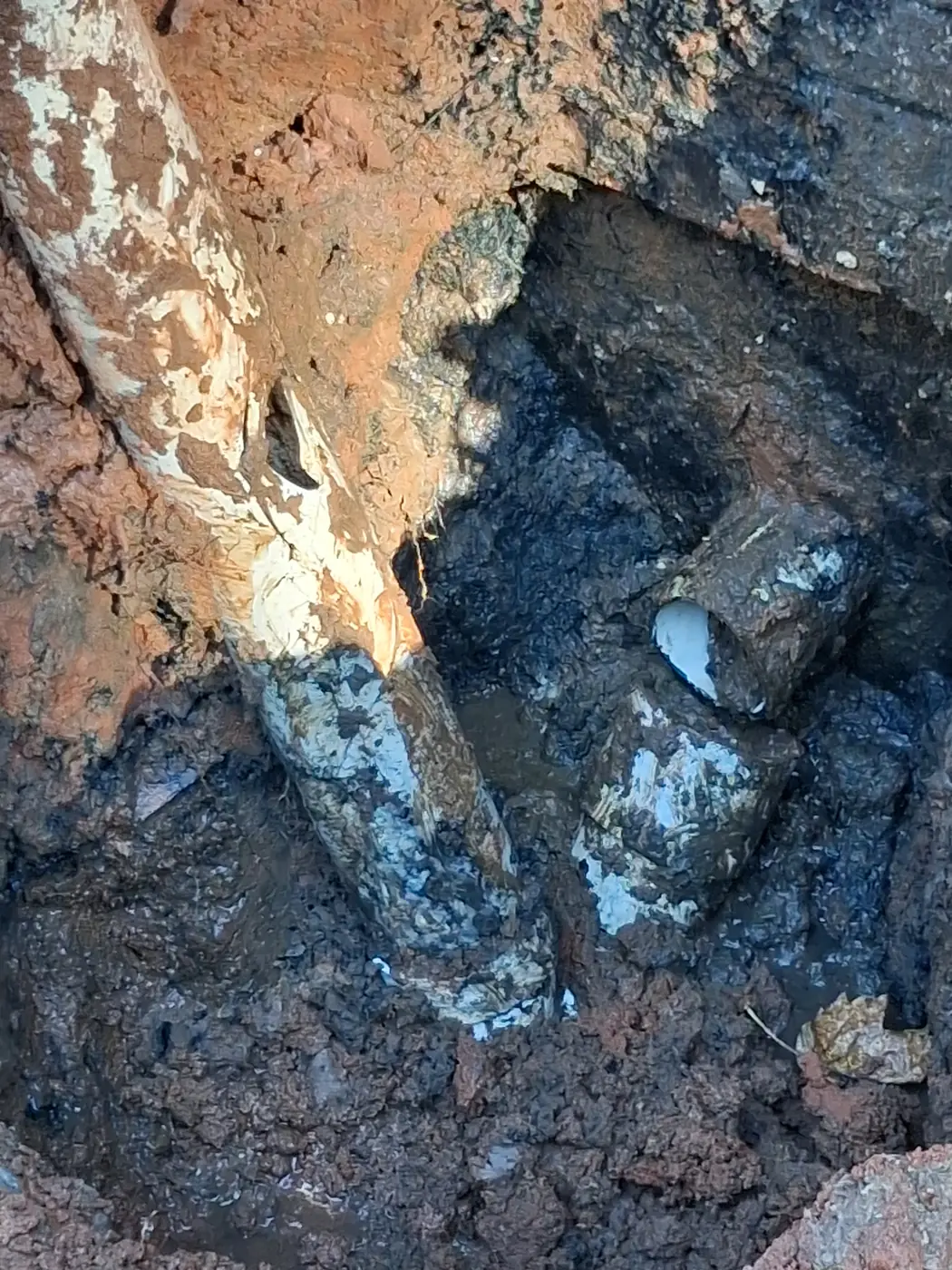
Baffles at the tank's inlet and outlet keep the sludge and scum inside. The liquid in the middle flows out to the drain field, a set of perforated pipes in gravel trenches, where it soaks into the soil and is filtered naturally. Most maintenance comes down to two things: keeping solids out of the drain field, and not sending it more water than the soil can take.
1. Pump Your Tank on Schedule
Most households need septic tank pumping every 3 to 5 years. How often depends on the size of the tank, how many people live in the house, and how much water you use. A garbage disposal adds solids to the tank, so homes with one usually need pumping sooner.
Don't wait for a backup. Once sludge builds up past the outlet, solids flow into the drain field and clog it, and that damage can't be pumped out.
Important: We often get calls from homeowners who just want a pump-out. If the drain field is already failing, pumping is only a temporary fix: the tank fills right back up because the water has nowhere to go. If your plumber recommends more than a pump, ask them to show you why.
2. Get Your Septic System Inspected
The EPA recommends having a septic system inspected at least every 3 years. Systems with mechanical parts, like a pump tank, float switches or a high-water alarm, should be checked about once a year. An inspection catches small problems, like a broken baffle or a rising sludge level, before they turn into a backup.
Signs Your Septic System Needs Attention
- Slow drains throughout the house
- Gurgling sounds in the plumbing
- Sewage odors inside or outside
- Wet, spongy ground over the drain field
- Unusually lush, green grass over the drain field
- A high-water alarm going off
What an Inspection Checks
- Sludge and scum levels in the tank
- Condition of the baffles and the tank itself
- Signs of leaks or backup
- How well the drain field is draining
- Pumps, floats and alarms, if you have them
Don't open the tank yourself: the gases inside are dangerous, and a proper look at the lines takes a sewer camera. Learn more about our septic inspections, including inspection letters for home sales.
3. Clean the Effluent Filter and Add Risers
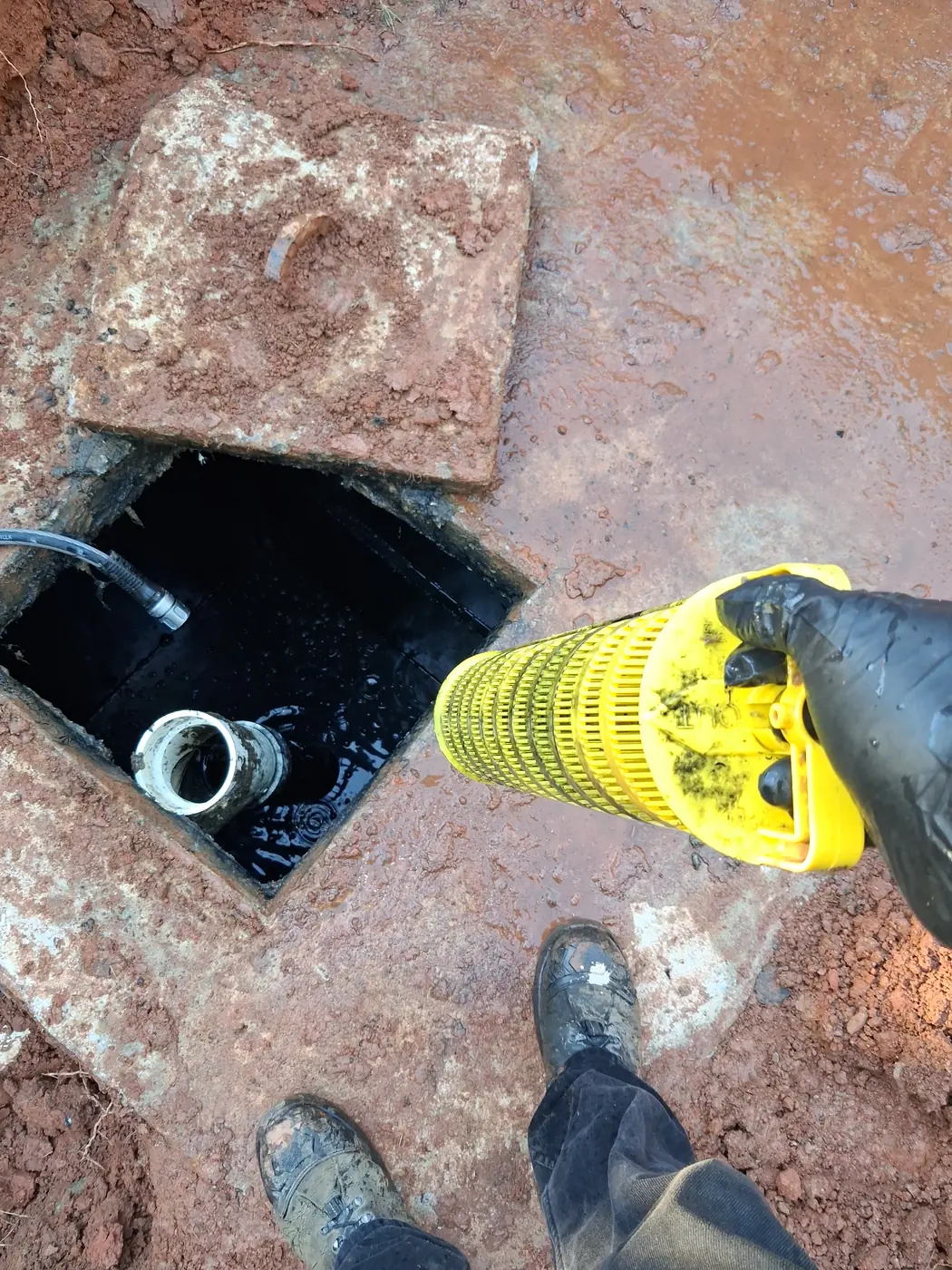
Many newer tanks have an effluent filter in the outlet that catches small solids before they reach the drain field. It needs to be cleaned, usually whenever the tank is pumped or inspected. A clogged filter backs water up into the house.
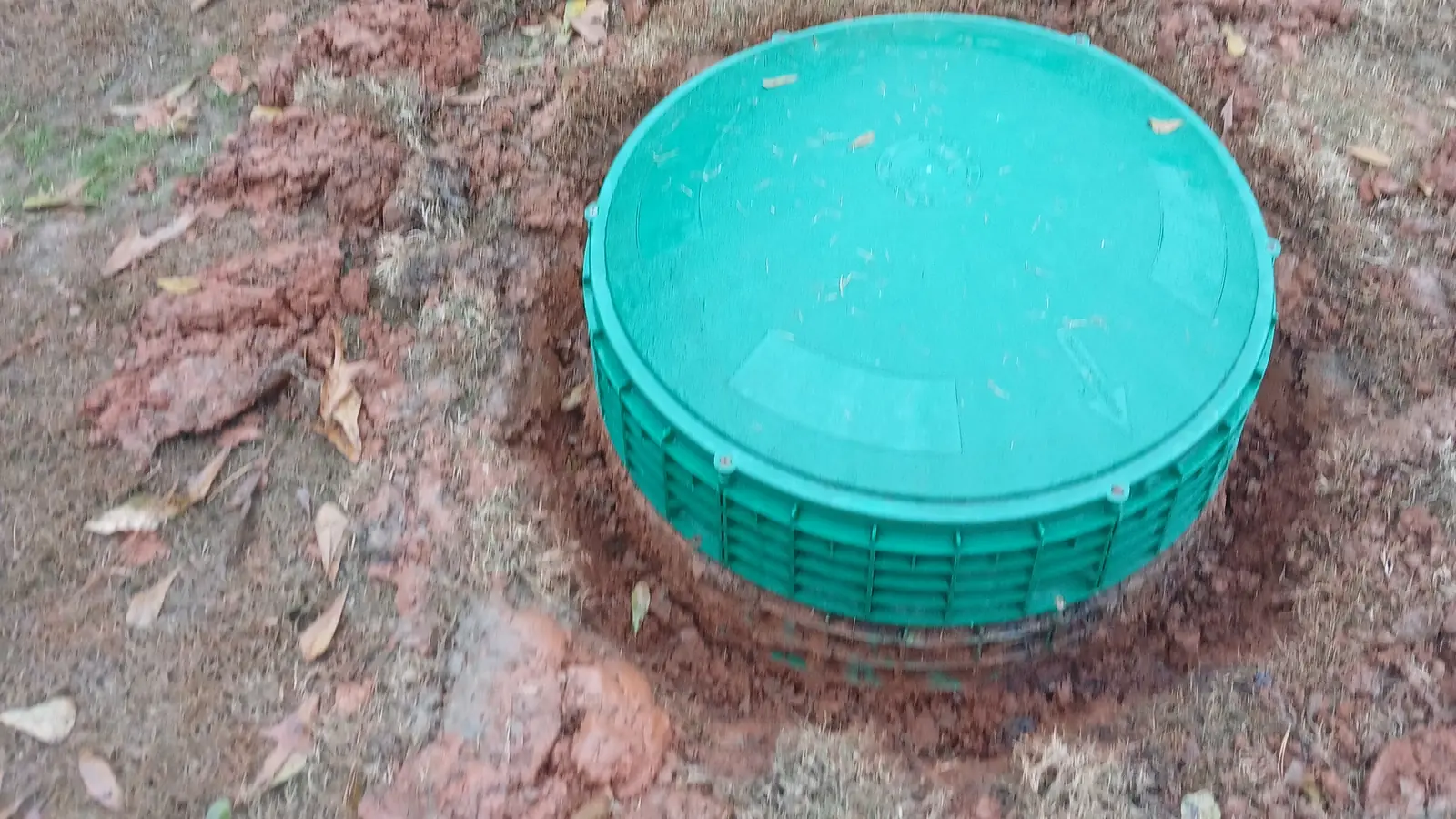
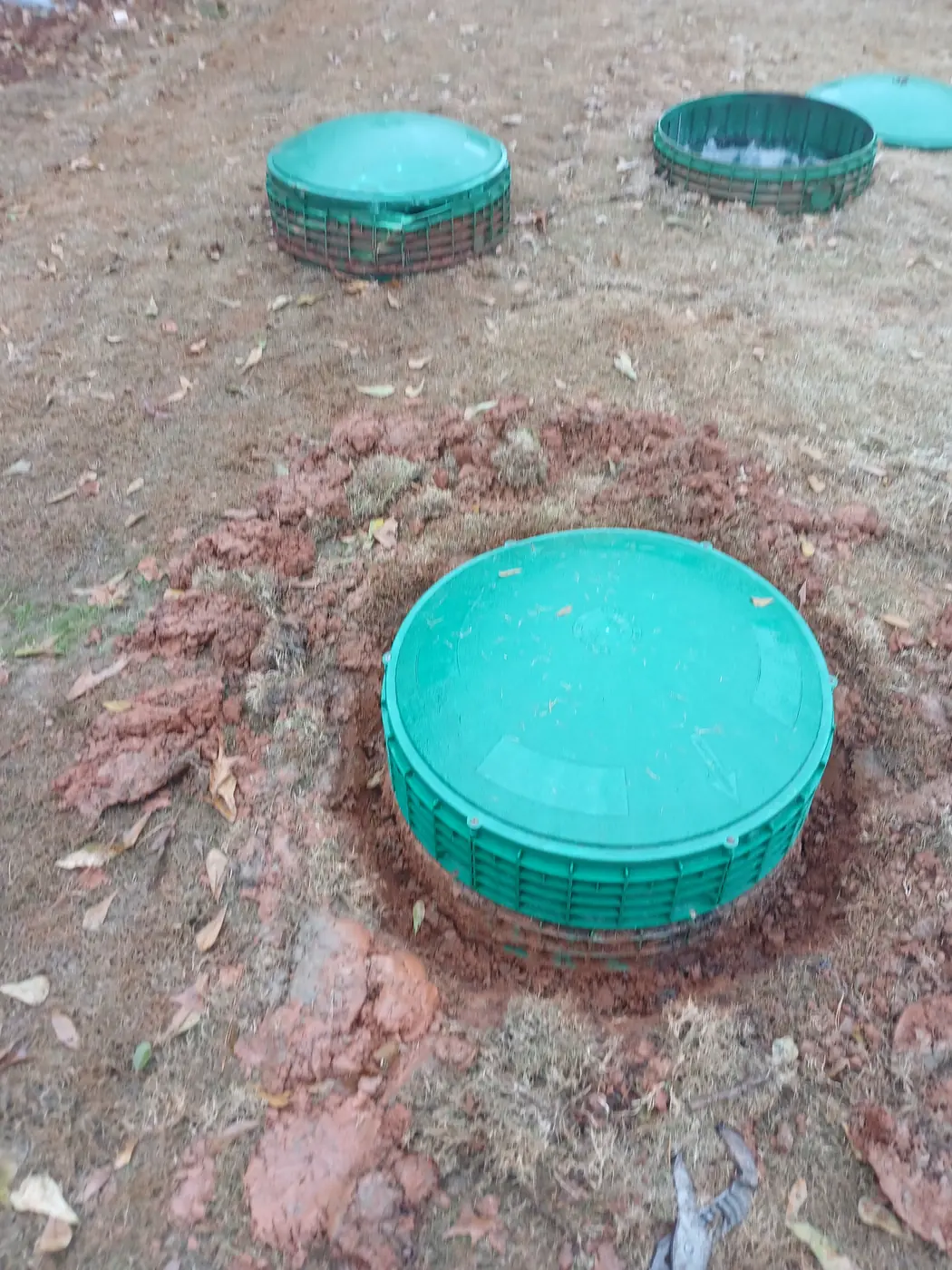
If your tank lids are buried, every service visit starts with digging them up. A riser brings the lid up to ground level, so pumping and inspections are quicker and cost less.
4. Use Water Efficiently
The average person uses roughly 50 to 60 gallons of water a day, and every gallon ends up in the septic tank. Too much water at once pushes waste through the tank before it can settle, and can flood the drain field.
- Spread out laundry over the week instead of doing it all in one day.
- Fix running toilets and leaky faucets right away. A running toilet can send hundreds of gallons a day into the tank.
- Take shorter showers.
- Use high-efficiency toilets, faucet aerators and washing machines.
5. Be Careful What Goes Down the Drain
Human waste and toilet paper are the only things that should be flushed. Your septic system relies on bacteria to break down waste, and other items either clog the tank and lines or kill the bacteria. Skip septic additives too; they can upset the tank's natural balance and do more harm than good. See are septic tank additives useful?
Never Flush These Items
- Wipes (even "flushable" ones)
- Paper towels or tissues
- Diapers and feminine hygiene products
- Dental floss
- Cat litter
- Cigarette butts
- Medications
Never Pour These Down Drains
- Cooking oil or grease
- Coffee grounds
- Paint or paint thinner
- Harsh household chemicals
- Gasoline or motor oil
- Pesticides or fertilizers
- Large amounts of drain cleaner
6. Protect the Drain Field
The drain field is the most expensive part of the system to replace. Over time, a layer of buildup called biomat can clog the soil around the pipes. Hydro-jetting can often clear the lines and restore drainage before a full replacement is needed.
Drain Field Do's and Don'ts
- Don't park or drive on it, and keep heavy equipment off it.
- Don't build sheds, patios or pools over it.
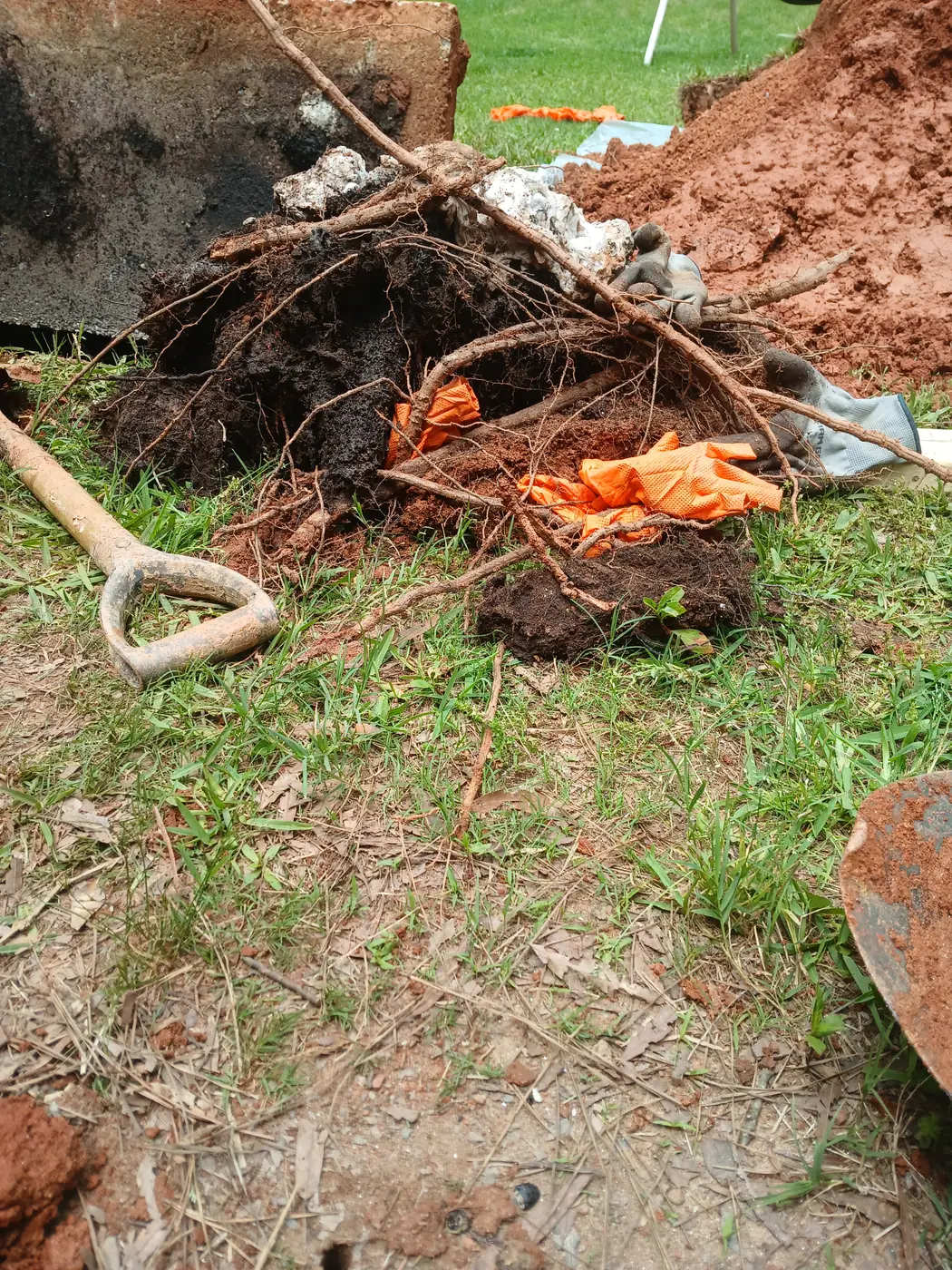
- Don't plant trees or large shrubs nearby; roots grow into the lines.
- Point gutters, sump pumps and other runoff away from it.
- Don't overwater it with sprinklers; a soggy field can't absorb wastewater.
7. Keep Your Records
Keep a record of every pumping, inspection and repair, along with a sketch of where the tank and drain field are. It helps your plumber spot problems sooner, and buyers will ask for it if you ever sell your home.
Bottom Line
Septic maintenance is cheap compared to septic repair. Pump on schedule, have the system inspected, watch what goes down the drain, and protect the drain field, and your system can serve you for decades.
Plumb-All handles septic pumping, inspections, repairs and new systems across South Metro Atlanta, including Jonesboro, Fayetteville, McDonough, Stockbridge, Hampton and Ellenwood. If you're due for a pumping or seeing any of the warning signs, give us a call.
Time to have your septic system checked?