
How to Choose the Right Plumber in Metro Atlanta
Whether you're dealing with a burst pipe, planning a bathroom renovation, or just need routine maintenance, choosing the right plumber can make all the difference. A skilled, trustworthy plumber will save you time, money, and headaches — while a bad hire can leave you with shoddy work and even bigger problems down the road. If you're a homeowner in Metro Atlanta, here's what you should look for before hiring a professional plumber.
Check Licensing and Insurance
In Georgia, plumbers are required to hold a valid state license issued by the Georgia Board of Master Plumbers and Journeyman Plumbers. This license ensures that the plumber has completed the necessary training, apprenticeship hours, and passed a state examination. Never hire a plumber who can't provide proof of their license — it's one of the most basic protections you have as a homeowner.
Beyond licensing, make sure the plumber carries both general liability insurance and workers' compensation coverage. Liability insurance protects your property if something goes wrong during the job, and workers' comp protects you from being held responsible if a worker is injured on your property. Ask for certificates of insurance and don't be afraid to verify them directly with the insurance provider.
Pro Tip: You can verify a plumber's Georgia state license through the Secretary of State's website. If a plumber is hesitant to share their license number, consider that a major red flag.
Look for Experience and Specialization
Not every plumber handles every type of job. Some specialize in residential work, while others focus on commercial plumbing or specific systems like septic tanks. When you're looking for a plumber, ask how long they've been in business and whether they have experience with your particular issue. A company that's been serving Metro Atlanta for years will understand the unique challenges of the area — from the region's clay soil and its effects on sewer lines to the hard water conditions that impact pipes and fixtures throughout the metro area.
Experience also matters when it comes to diagnosing problems accurately the first time. A seasoned plumber is less likely to recommend unnecessary work and more likely to get the repair right on the first visit, saving you both time and money. Learn more about how an experienced plumber approaches each job by visiting our About Our Process page.
Read Reviews and Check Ratings
Online reviews are one of the most reliable ways to gauge a plumber's quality of work and customer service. Check multiple platforms — Google, Yelp, the Better Business Bureau, and Nextdoor are all good places to start. Pay attention to patterns in the reviews rather than focusing on a single comment. Look for consistency in areas like:
- Punctuality and professionalism
- Clear communication about the problem and the solution
- Fair and transparent pricing
- Quality of the finished work
- Responsiveness to follow-up questions or concerns
Don't just count the stars — read what people actually say. A company with a 4.5-star average and hundreds of detailed, positive reviews is generally a safer bet than one with a perfect 5.0 from only a handful of reviewers.
Get Written Estimates and Understand Pricing
A reputable plumber will provide a written estimate before starting any work. This estimate should clearly outline the scope of the job, the materials to be used, labor costs, and any potential additional charges. Be cautious of plumbers who give vague verbal quotes or refuse to put their pricing in writing.
It's also a good idea to get estimates from two or three plumbers so you can compare pricing. However, don't automatically go with the cheapest option. An unusually low bid can be a sign of cut corners, inferior materials, or hidden fees that will show up later. The goal is to find a plumber who offers fair, transparent pricing for quality work.
Pro Tip: Ask whether the estimate is a flat rate or an hourly rate, and clarify what happens if the job takes longer than expected. Understanding the pricing structure upfront helps prevent surprises on your final bill.
Ask About Warranties and Guarantees
A plumber who stands behind their work will offer a warranty on both labor and parts. This means that if something goes wrong with the repair within a specified period, they'll come back and fix it at no additional cost to you. Warranties vary from company to company, so be sure to ask about the specifics — how long the warranty lasts, what it covers, and whether there are any conditions that could void it.
Companies that offer warranties demonstrate confidence in the quality of their work. If a plumber is unwilling to guarantee their repairs, that's a strong signal to look elsewhere.
Red Flags to Watch For
Knowing what to avoid is just as important as knowing what to look for. Here are some warning signs that a plumber might not be the right choice:
- No license or insurance: This is non-negotiable. Unlicensed plumbers put your home and your wallet at risk.
- Demands cash payment upfront: Reputable plumbers may require a deposit for large jobs, but asking for full payment before the work is done is a red flag.
- No written estimate: If they won't put the price in writing, you have no recourse if the bill comes in higher than expected.
- Pressure tactics: A trustworthy plumber will explain the situation and give you time to make a decision. Be wary of anyone who tries to rush you into expensive repairs.
- No references or reviews: If a plumber can't point to satisfied customers, there's likely a reason.
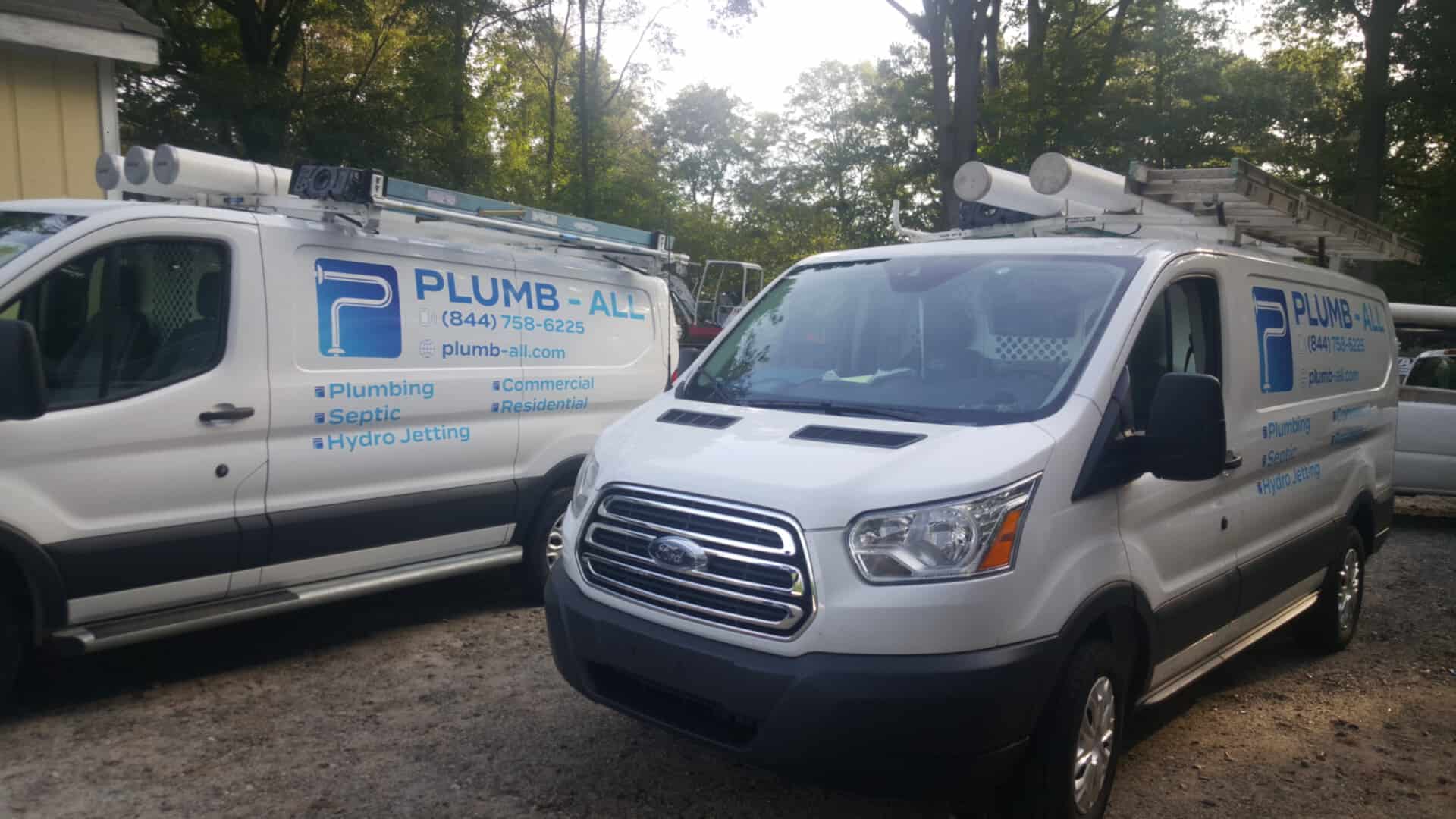
- Unmarked vehicles and no uniforms: Professional plumbing companies invest in their brand and their team's appearance. A lack of branding can indicate a fly-by-night operation.
Consider a Service Agreement for Ongoing Maintenance
Once you've found a plumber you trust, one of the smartest things you can do is set up a plumbing service agreement. A service agreement provides regular inspections and maintenance visits, which helps catch small problems before they turn into expensive emergencies. Many service agreements also include priority scheduling, discounted rates on repairs, and waived service call fees — so you're saving money while keeping your plumbing system in top condition.
For Metro Atlanta homeowners, a service agreement is especially valuable. The region's hard water, aging infrastructure in many neighborhoods, and seasonal temperature swings all take a toll on plumbing systems over time. Regular professional maintenance ensures that your pipes, fixtures, and water heater are working efficiently and reliably year-round.
Pro Tip: A service agreement isn't just about fixing problems — it's about preventing them. Homeowners with service agreements typically spend less on plumbing over time because issues are caught and addressed early, before they escalate.
The Bottom Line
Choosing the right plumber in Metro Atlanta comes down to doing your homework. Verify licensing and insurance, look for relevant experience, read reviews, get written estimates, and ask about warranties. Avoid plumbers who can't or won't meet these basic standards. And once you find a plumber you trust, consider locking in a service agreement to protect your home and your budget for the long term.
At Plumb-All, we've been serving Metro Atlanta homeowners for years with licensed, insured, and experienced plumbers who are committed to transparent pricing and quality workmanship. We stand behind every job we do and offer service agreements designed to keep your plumbing running smoothly all year long.
Ready to work with a plumber you can trust? Contact Plumb-All today for honest, professional plumbing service in Metro Atlanta.