
Understanding Your Home’s Plumbing System
Having a basic understanding of your home's plumbing system is one of the most proactive steps a homeowner can take, as this knowledge empowers you to identify potential issues before they escalate. Familiarizing yourself with key components like the drainage system, the main water line, and fixtures helps ensure you maintain a healthy and efficient plumbing environment. Preventive maintenance is essential, as it can save you significant repair costs and protect your home from water damage.
Key takeaways
- Know where your main water shut-off valve is.
- Maintain proper water pressure and drainage/ventilation.
- Schedule routine inspections; pump septic systems regularly.
Essential Knowledge for Homeowners: Emergency Preparedness
Every homeowner should prioritize learning where the main water shut-off valve is located. In the event of a plumbing emergency, knowing this location can save you crucial time and prevent significant property damage. Acquiring this foundational knowledge ensures you are equipped to handle common plumbing issues and can prevent costly emergencies. Furthermore, scheduling regular plumbing inspections and proactive maintenance are vital practices that can prolong the lifespan of your entire system, guaranteeing that it remains functional and efficient for years to come.
Key Components and System Functionality
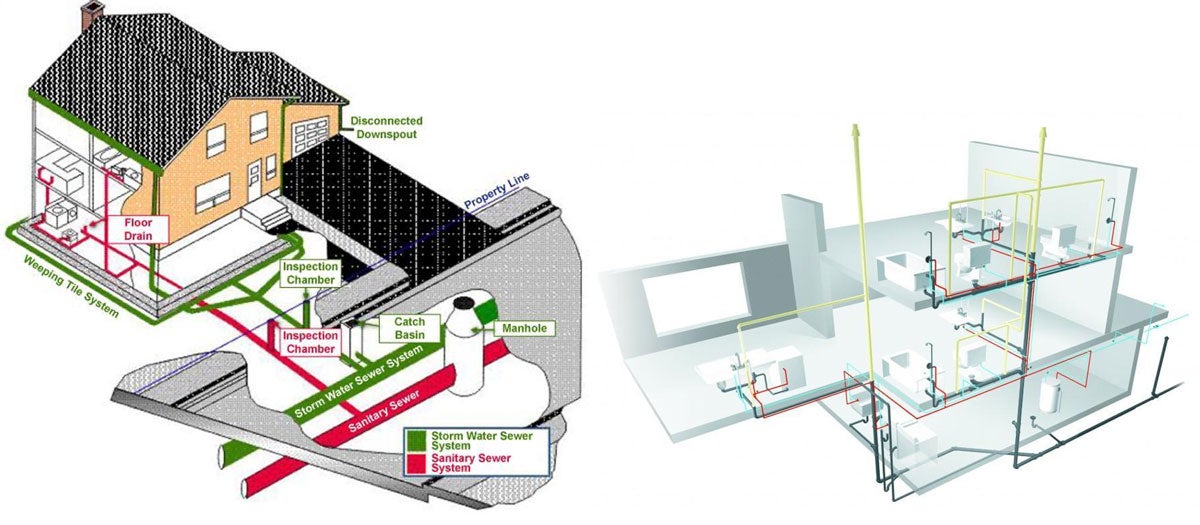
The comprehensive functionality of your plumbing system relies on several integrated components:
Water Flow and Pressure
Water pressure is a crucial factor in the comfort and functionality of your home, affecting everything from taking a shower to washing dishes. Low water pressure can be frustrating, but many causes are common and often have simple fixes. Conversely, too much pressure can damage your system over time, highlighting the importance of proper water pressure regulation.
Pro Tip: Install a pressure-reducing valve (PRV) and keep your home's water pressure between 50–60 PSI to protect fixtures and extend appliance life.
Drainage and Ventilation
While water pressure focuses on bringing clean water in, a well-functioning ventilation system is critical for properly moving waste water out. The drainage system works in conjunction with this ventilation to ensure efficient waste disposal.
Septic System Maintenance
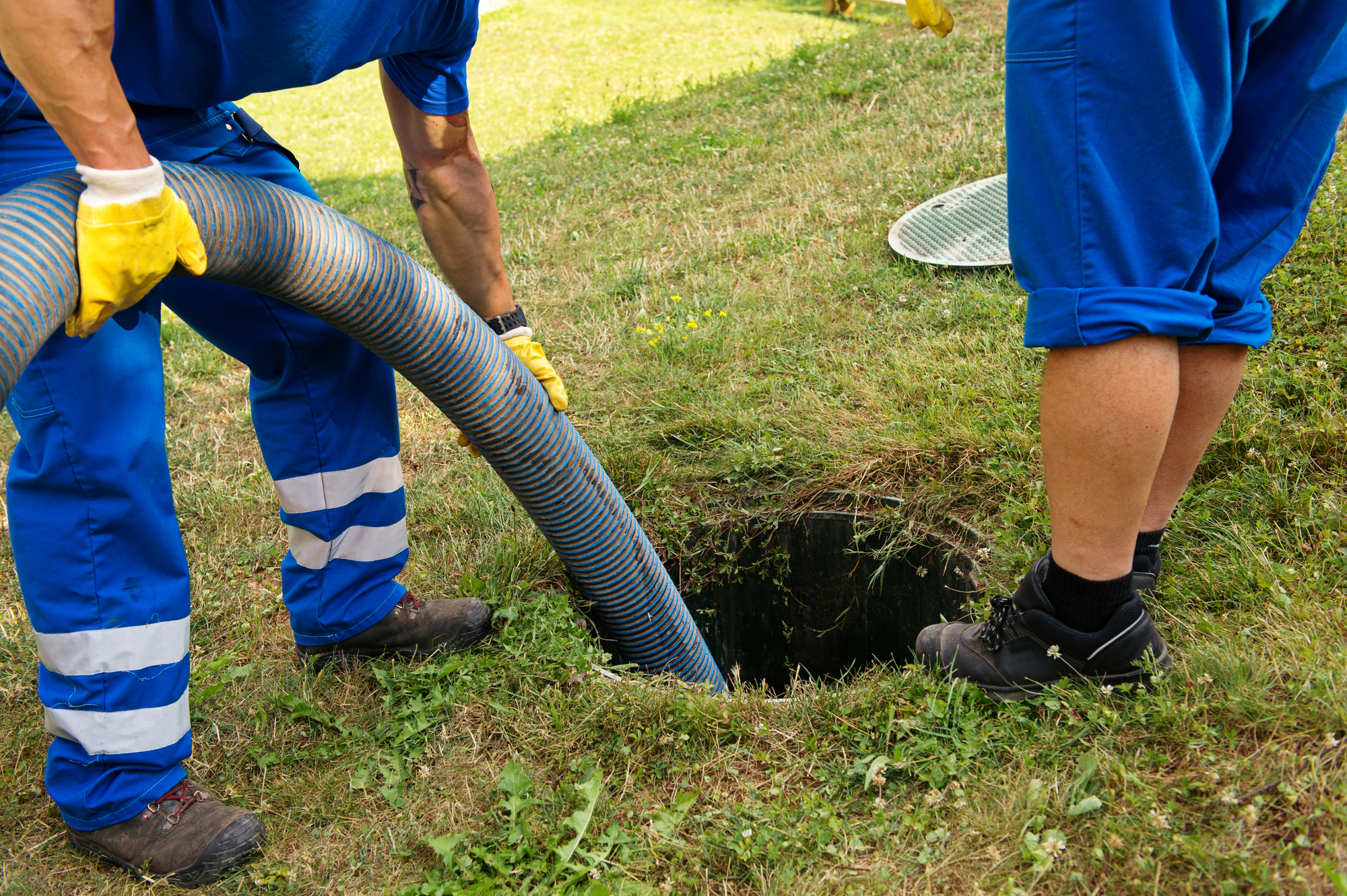
If your home uses a septic system, proper maintenance is crucial for preventing costly repairs and system backups. Homeowners should be vigilant about recognizing signs of a failing septic system, which can include water pooling in the yard, slow drains, or foul odors. To significantly extend the life of your system, it is advisable to have the septic tank inspected and pumped regularly, usually every three to five years, depending on household size and usage.
Recognizing and Troubleshooting Common Plumbing Issues
Homeowners frequently face a variety of plumbing problems, ranging from minor annoyances to major clogs and leaks. Recognizing these issues early can prevent extensive damage.
Addressing Visible Issues
Common visible problems include slow drains, running toilets, and dripping faucets. A dripping faucet, though seemingly minor, wastes gallons of water and can significantly increase utility bills. Often, this issue can be quickly resolved with simple fixes, such as replacing worn-out washers. If you encounter a clogged shower drain, a step-by-step guide can help you clear it safely and effectively. For severe blockages, understanding the significant difference between drain clearing and professional drain cleaning is essential for proper resolution.
Identifying Hidden Leaks
If you receive an unexpected spike in your water bill despite no visible leaks, this often signals underlying issues. These hidden causes might include leaks within the structure, seasonal usage surges, inefficient appliances, or potential billing errors. Addressing these underlying factors can lead to annual savings of hundreds of dollars. If you suspect a subsurface leak, reliable underground water leak detection services are available to protect your property and help you save money.
- Check your water meter with all fixtures off to confirm a hidden leak.
- Look for damp spots, musty odors, or peeling paint/drywall.
- Inspect toilet tanks with a few drops of food coloring to detect silent leaks.
Seasonal Challenges and Home Upgrades
Winterization
When temperatures drop, frozen pipes pose one of the biggest risks to your plumbing system, as they block the flow of water. Learning how to identify, prevent, and safely thaw frozen pipes is essential winter knowledge.
System Modernization
Beyond basic maintenance, homeowners may consider upgrades to enhance comfort and efficiency. For example, installing a tankless water heater offers significant benefits, including endless hot water, greater energy efficiency, and household savings. If considering replacement, understanding the water heater replacement cost, including the process and warranty types, is key to saving money and time. Similarly, an essential guide to waterline replacement can help enhance home safety.
Comprehensive Plumbing Solutions
For situations requiring professional intervention, comprehensive solutions encompass a wide range of services, including expert leak detection, efficient pipe installation, and complex sewage system repairs. By leveraging both your foundational plumbing knowledge and expert services, you can ensure your system operates smoothly, preventing costly damages and inconveniences.
In Conclusion
Building a basic understanding of your home's plumbing helps you spot issues early and make smart maintenance decisions. For deeper dives, explore our guides on finding plumbing leaks and flushing your water heater to keep your system efficient and reliable all year long.
Decided that we're the right fit for you?