
Quick Answer
Septic line cleaning means clearing the pipes that carry liquid out of your septic tank: the outlet line and the drain field lines. It's usually done with a hydro-jetter, a high-pressure water hose that scours out roots, buildup and the slime layer (biomat) that clogs the field.
You likely need it, not just a pump-out, if your tank fills back up quickly after pumping, or you still have slow drains, gurgling or wet spots in the yard after the tank was pumped.
Why Pumping Alone Doesn't Always Fix It
A septic system has two jobs. The tank holds the solids, and the drain field gets rid of the liquid by letting it soak into the soil. Pumping takes care of the first job: it removes the sludge and scum from the tank.
But many of the calls we get aren't really about a full tank. The liquid can't get out. The outlet line or the field lines are clogged, so water backs up into the tank and then into the house. Pumping empties the tank for a little while, and then it fills right back up.
Good to know: A clogged line and a full tank cause the same symptoms (slow drains, gurgling, sewage smell, a soggy yard), which is why most people assume they just need a pump. If you're pumping more often than every 3 years, have the lines checked.
Signs Your Septic Lines Need Cleaning
- The tank needs pumping much more often than every 3 to 5 years
- Drains slow down again within weeks or months of a pump-out
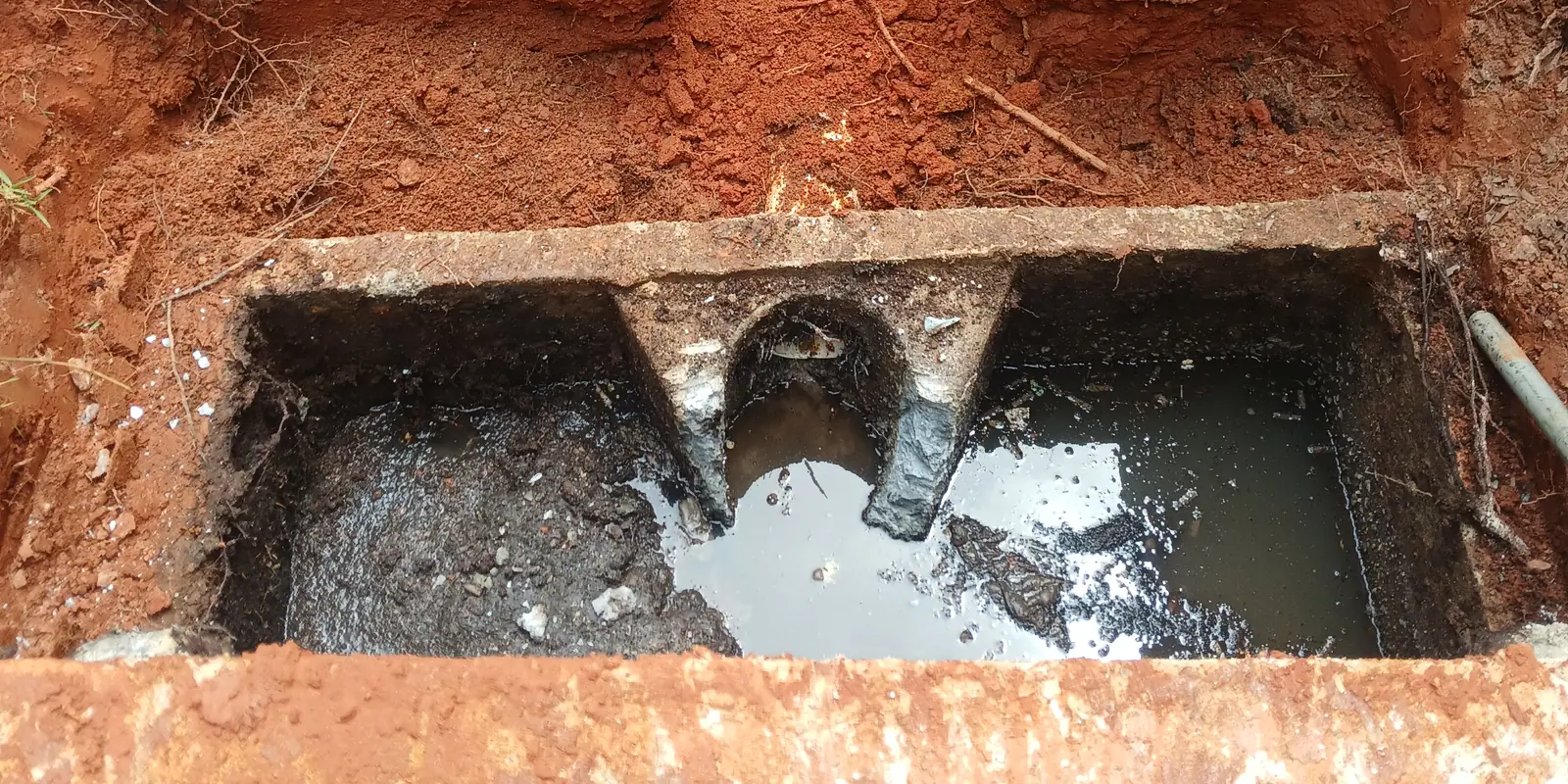
- Water sits above the outlet when the tank is opened
- Standing water, wet spots or a sewage smell over the drain field
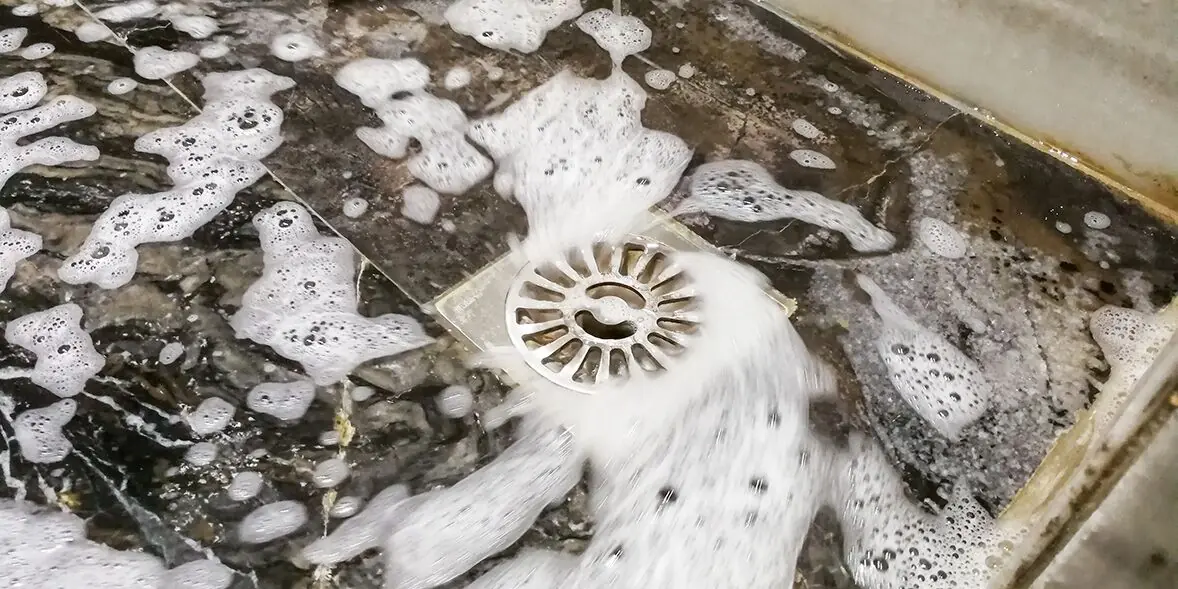
- Gurgling drains or toilets, especially after laundry or heavy water use
How We Clean Septic Lines
- Find out why it's backing up. We open the tank, check the water level, the baffles and the outlet, and run a camera down the line when needed.
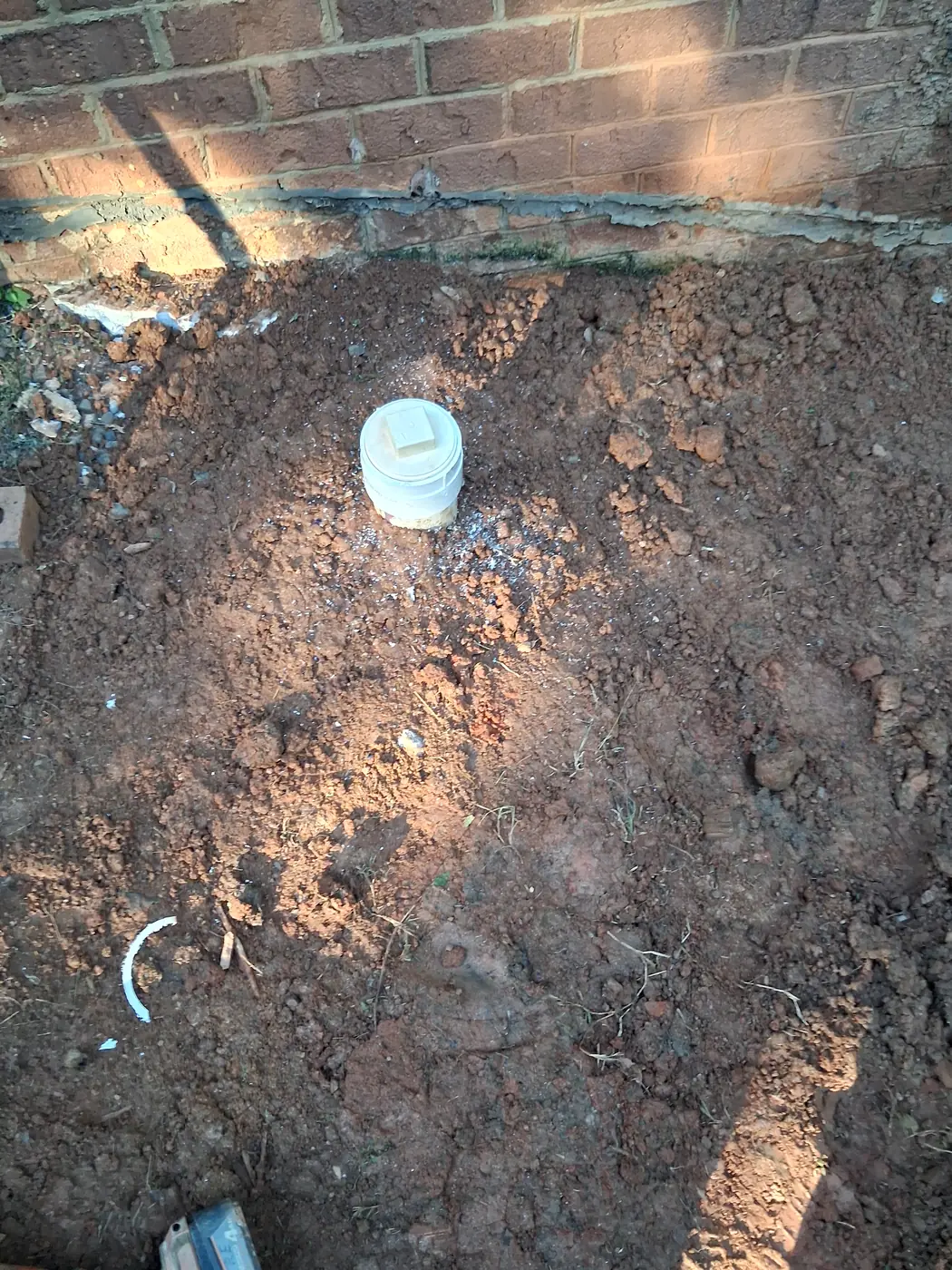
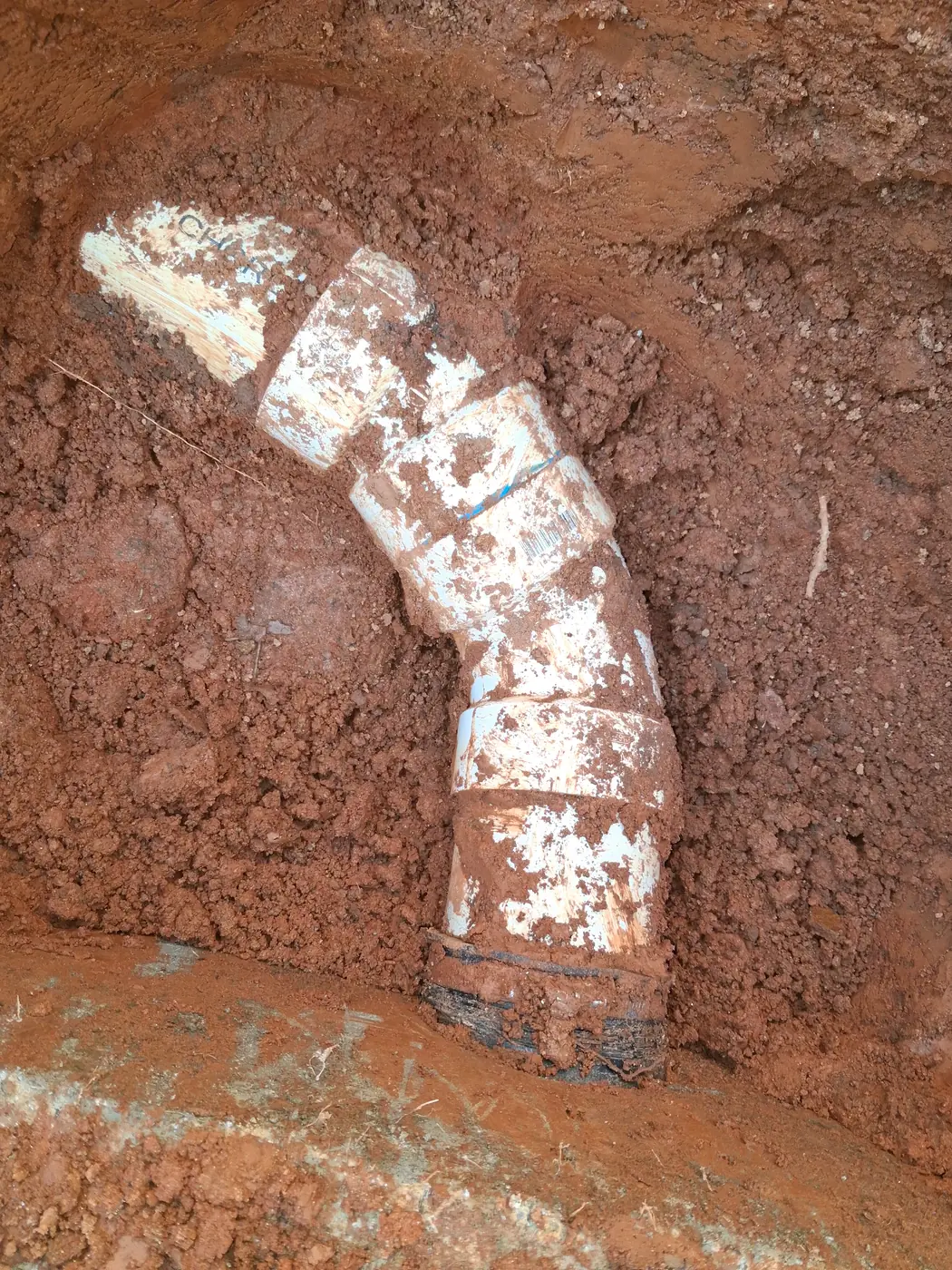
- Get access to the outlet line. We dig down to the pipe that leaves the tank and install a cleanout up to ground level, so the lines can be reached now and serviced later without digging.
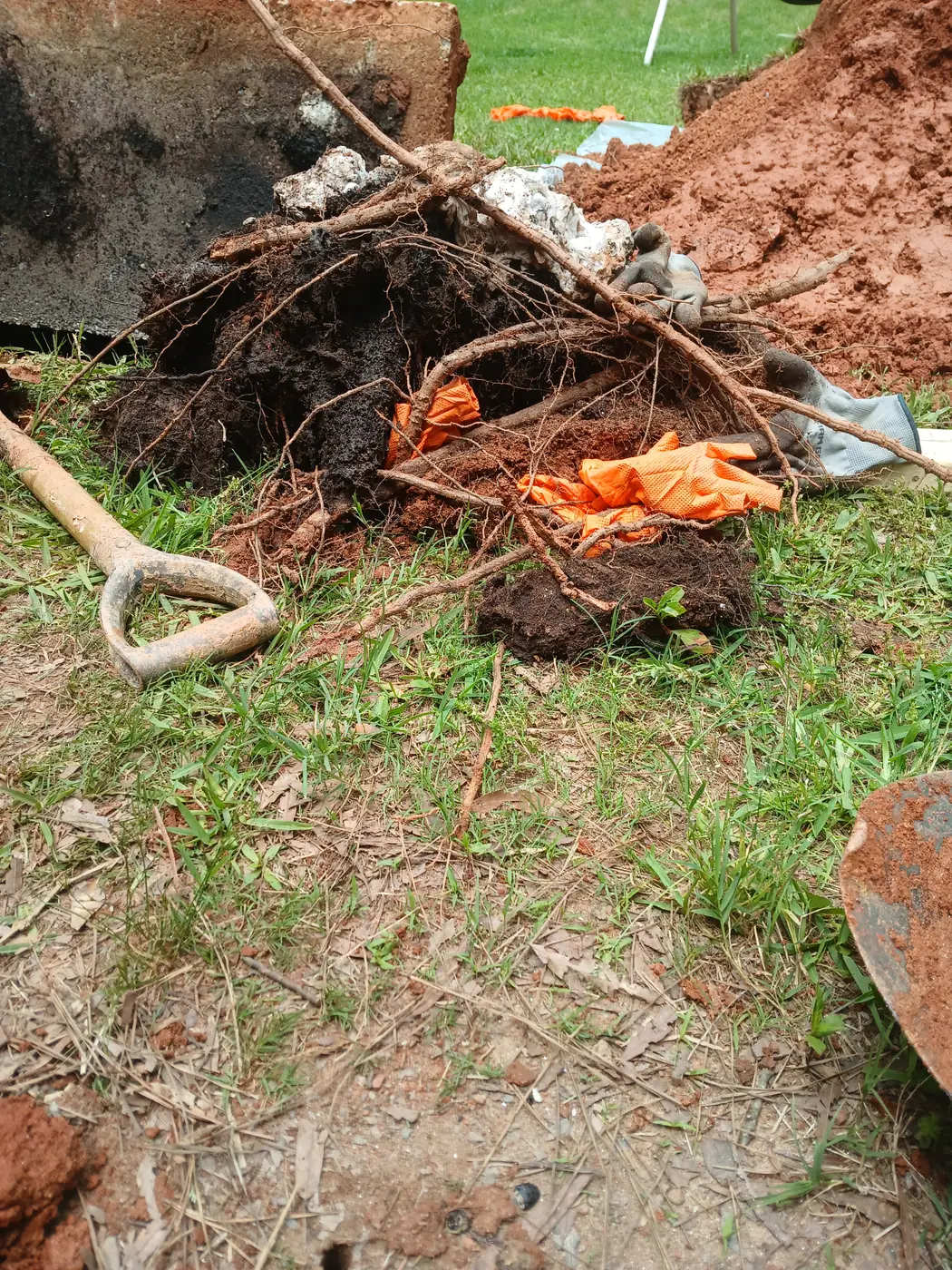
- Jet the lines. The hydro-jetter scours out roots, buildup and biomat from the outlet line and into the field lines.
- Check the result. We confirm the water drains out of the tank the way it should, and tell you what we found.
Learn more about our hydro-jetting and how it compares to snaking in when is hydro-jetting needed?
When Cleaning Won't Fix It
Jetting is the first step before any major repair, but it can't fix everything. It won't help if:
- A line is crushed, separated or broken. That section has to be dug up and replaced.
- The drain field soil is saturated end to end. The field has reached the end of its life and needs replacing.
- A baffle is broken, letting solids pour into the field. The baffle has to be replaced first.
In those cases we'll tell you before doing work that won't help. See our septic repair services, and Eljen drain fields for lots where a conventional field won't work.
Keep the Lines Clear
- Pump the tank every 3 to 5 years, so solids never reach the outlet.
- Spread out laundry and other heavy water use.
- Keep trees and large shrubs away from the tank and drain field.
- Have the system inspected at least every 3 years.
More tips in how to maintain your septic system.
Septic tank filling back up after pumping?