
Anode Rod Replacement: Extending Your Water Heater's Life
Your water heater is one of the hardest-working appliances in your home, running day and night to provide hot water for showers, dishes, laundry, and cleaning. Most homeowners don't think much about their water heater until it stops working — but there's a small, inexpensive component inside the tank that plays a critical role in how long your water heater lasts. It's called the anode rod, and replacing it on schedule is one of the simplest and most effective ways to extend the life of your water heater by years.
Understanding what the anode rod does, how to tell when it needs replacing, and what your replacement options are can save you from a premature water heater failure and the expense of an early replacement.
What Is an Anode Rod?
An anode rod is a long metal rod — typically three to five feet in length — that's inserted into the top of your water heater tank and extends down into the water. Its sole purpose is to protect the steel tank from corrosion. Water heater tanks are made of steel, and steel in constant contact with water will eventually rust and corrode. The anode rod prevents this by attracting the corrosive elements in the water to itself instead of the tank walls.
This process is called "sacrificial corrosion" — the anode rod sacrifices itself to protect the tank. As long as the anode rod is present and has material left to corrode, the tank remains protected. Once the anode rod is depleted, the corrosive elements in the water begin attacking the tank itself, and once the tank starts corroding, it's only a matter of time before it develops leaks and fails.
Types of Anode Rods
There are three main types of anode rods, each with different characteristics that make them better suited for different water conditions.
Magnesium Anode Rods
Magnesium rods are the most common type and come standard in most residential water heaters. They work well in areas with softer water and provide excellent corrosion protection under normal conditions. Magnesium rods are also the most environmentally friendly option since magnesium is a naturally occurring mineral. However, in homes with very hard water or water that has a high mineral content, magnesium rods can deplete faster and may produce a sulfur or rotten egg smell in some water chemistry conditions.
Aluminum and Aluminum-Zinc Anode Rods
Aluminum rods are a good choice for homes with hard water because they tend to last longer than magnesium rods in high-mineral conditions. Aluminum-zinc combination rods are specifically designed to combat the sulfur smell that some water heaters produce. If you've noticed a rotten egg odor from your hot water, switching to an aluminum-zinc anode rod often solves the problem. These rods are generally less expensive than magnesium rods and are widely available.
Powered (Impressed Current) Anode Rods
Powered anode rods use a small electrical current to protect the tank rather than relying on sacrificial corrosion. Because they don't corrode, they never need to be replaced during the life of the water heater. They also eliminate the sulfur smell issue entirely. Powered rods cost more upfront, but they can be a smart long-term investment, especially in homes with aggressive water chemistry that depletes traditional rods quickly.
Signs Your Anode Rod Needs Replacing
Because the anode rod is inside the tank, you can't see its condition without removing it. However, there are several signs that can indicate your anode rod is depleted or nearly depleted:
- Hot water has a sulfur or rotten egg smell: This is often caused by a chemical reaction between the anode rod and bacteria in the water, but it can also occur when the rod is severely corroded.
- Rusty or discolored hot water: If your hot water has a rusty tint but your cold water is clear, the tank may be starting to corrode because the anode rod is no longer providing protection.
- Slimy or gel-like substance in the hot water: A failing aluminum anode rod can produce a gel-like residue that clogs faucet aerators and shows up in the hot water.
- Your water heater is more than 3-5 years old and the rod has never been checked: Even if you're not experiencing any symptoms, the rod may be significantly depleted.
- Popping or rumbling sounds from the tank: While this is often caused by sediment buildup, it can also be related to corrosion inside the tank that a depleted anode rod failed to prevent.
How Often Should You Replace the Anode Rod?
The general recommendation is to inspect the anode rod every two to three years and replace it when it's significantly corroded. Most anode rods last three to five years under normal conditions, but several factors can shorten or extend that lifespan:
- Water hardness: Hard water with high mineral content depletes anode rods faster
- Water usage: Homes that use more hot water put more demand on the anode rod
- Water temperature: Higher thermostat settings accelerate the corrosion process
- Water treatment: Water softeners can accelerate anode rod corrosion in some cases
- Rod material: The type of anode rod affects its lifespan in different water conditions
A depleted anode rod is typically corroded down to the steel wire core, with little or no sacrificial metal remaining. If you pull the rod and it's less than half an inch in diameter or has significant chunks missing, it's time for a replacement.
The Replacement Process
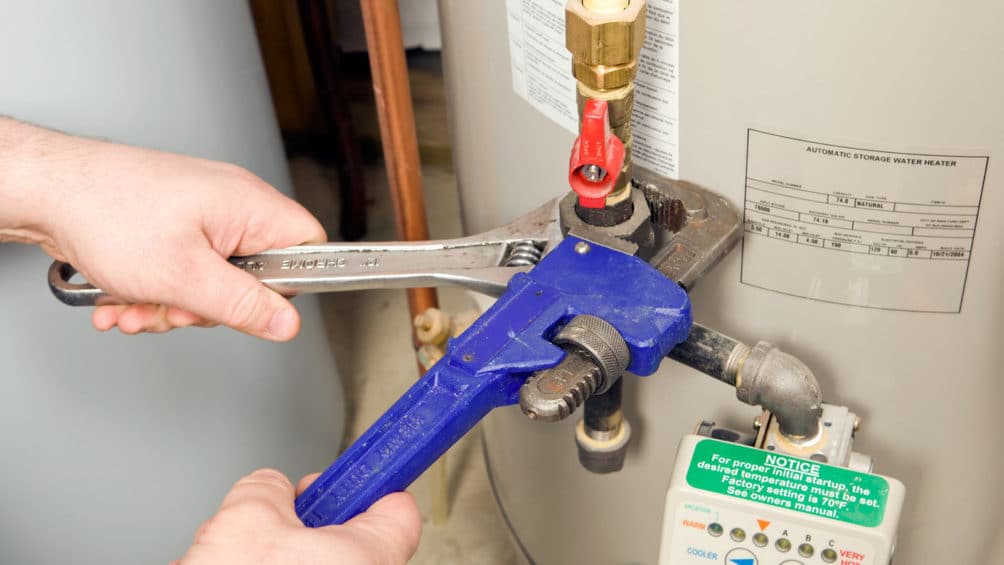
Replacing an anode rod is a relatively straightforward job for a professional plumber, though it can be challenging for homeowners to do themselves. The rod is threaded into a fitting on top of the water heater and requires a socket wrench to remove. The main challenges are:
- The rod can be extremely difficult to break free if it hasn't been removed in years due to corrosion and mineral buildup on the threads
- You need enough vertical clearance above the water heater to pull the old rod out and insert the new one — standard rods are several feet long, which can be a problem in spaces with low ceilings
- Flexible or segmented anode rods are available for installations with limited overhead clearance
- The water heater must be partially drained before removing the rod to prevent flooding
While you're having the anode rod replaced, it's also a good time to have the tank flushed to remove sediment buildup. Regular flushing works alongside anode rod replacement to keep your water heater running efficiently and extend its overall lifespan. For more on that topic, check out our guide on flushing your water heater.
How Anode Rod Replacement Saves You Money
A new anode rod typically costs between 20 and 50 dollars for the part itself, and professional installation is usually a quick service call. Compare that to the cost of a new water heater — which can run anywhere from 800 to 2,000 dollars or more installed — and the value of regular anode rod replacement becomes clear.
A water heater with a regularly replaced anode rod can last 15 years or more, while one that's neglected may fail in as few as 8 to 10 years. That's potentially five or more extra years of service from a simple, inexpensive maintenance task. If your water heater is approaching the end of its expected lifespan and the tank is already showing signs of corrosion, it may be more practical to plan for a water heater replacement rather than continuing to maintain the existing unit.
Pro Tip: When you have your anode rod inspected or replaced, ask your plumber to note the date and type of rod installed. Write it on a label and stick it to the water heater so you'll know exactly when it was last serviced and what type of rod is in there. This makes future maintenance planning much easier.
Don't Neglect This Simple Maintenance Task
The anode rod is a small, inexpensive component that has an outsized impact on your water heater's lifespan. Regular inspection and replacement is one of the best investments you can make in your home's plumbing system. If you're not sure when your anode rod was last checked — or if it's ever been checked — now is a great time to schedule an inspection and ensure your water heater is protected for years to come.
Need your anode rod checked or replaced? We're here to help!