

What to Expect During a Septic Tank Inspection
A septic tank inspection is one of the most important steps you can take to protect your home's wastewater system. Whether you're purchasing a new property, selling your current one, or simply staying on top of routine maintenance, understanding what happens during a septic inspection can help you feel prepared and confident. At Plumb-All, we perform thorough septic inspections throughout Metro Atlanta so homeowners can make informed decisions about their systems.
When Do You Need a Septic Inspection?
There are several situations that call for a professional septic inspection. Knowing when to schedule one can save you from costly surprises down the road.
- Buying a home: A septic inspection is a critical part of the home-buying process. It reveals the condition of the system and can uncover problems that may affect your purchase decision or negotiation.
- Selling a home: Many buyers will request a septic inspection before closing. Having a recent inspection report available can speed up the sale and build buyer confidence.
- Routine maintenance: Even if everything seems to be working fine, periodic inspections help catch small issues before they turn into major septic repairs.
- Signs of trouble: Slow drains, foul odors in the yard, soggy patches over the drain field, or sewage backups are all signs that an inspection is overdue.
What Inspectors Check During a Septic Inspection
A comprehensive septic inspection covers multiple components of your system. Here's a breakdown of what a qualified inspector will evaluate.
Tank Levels and Condition
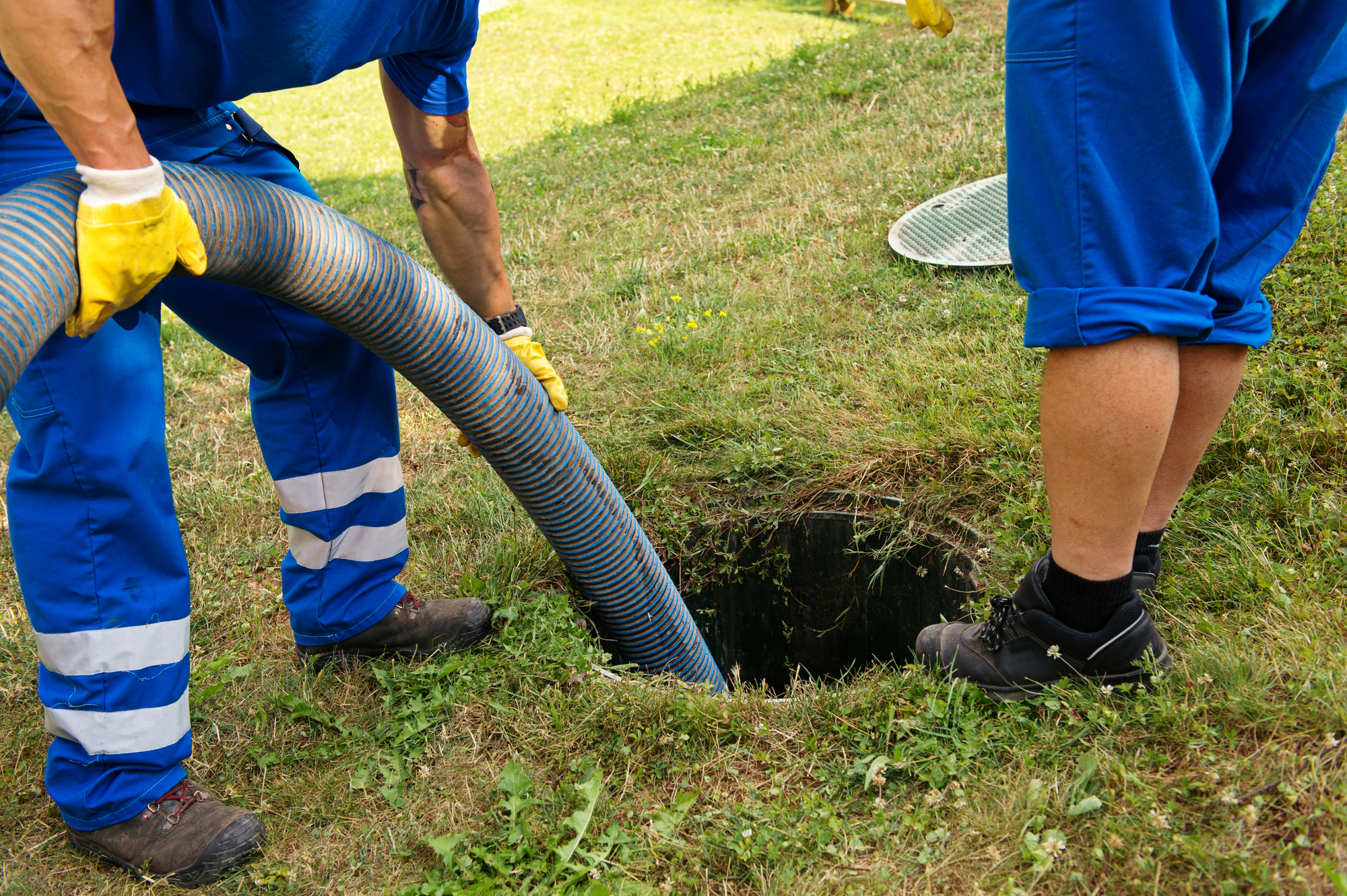
The inspector will locate and open the septic tank to check the levels of sludge, scum, and liquid inside. If the sludge layer is too thick, it's a sign that the tank needs septic tank pumping. The inspector will also look for cracks, corrosion, or structural damage to the tank itself.
Baffles and Tees
Inlet and outlet baffles are essential for directing wastewater flow and preventing solids from escaping into the drain field. The inspector will verify that these components are intact and functioning properly. Damaged or missing baffles are a common issue that can lead to drain field failure if left unaddressed.
Distribution Box
The distribution box, or D-box, evenly distributes effluent from the tank to the drain field lines. During the inspection, the technician will check that the box is level, undamaged, and distributing flow evenly. An uneven distribution box can cause one section of the drain field to become overloaded while others remain dry.
Drain Field Evaluation
The drain field is where the final treatment of wastewater occurs. The inspector will walk the drain field area looking for signs of failure, such as standing water, unusually lush vegetation, or foul odors. They may also probe the soil to check for saturation. A failing drain field is one of the most expensive septic problems to resolve, which is why early detection matters.
Mechanical Components
If your system includes pumps, alarms, or other mechanical components — common in alternative septic systems — the inspector will test each one to ensure proper operation. This includes checking float switches, pump functionality, and alarm systems.
How to Prepare for Your Septic Inspection
A little preparation goes a long way toward making the inspection process smooth and efficient.
- Locate your tank: If you know where your septic tank is buried, share that information with the inspector. If you have a property diagram showing the system layout, have it available.
- Uncover access points: If the tank lids are buried, consider having them uncovered before the inspection. This saves time and can reduce the cost of the visit.
- Gather maintenance records: Have records of previous pumping dates, repairs, and inspections ready. This history helps the inspector assess how well the system has been maintained.
- Clear the area: Make sure the area around the tank and drain field is accessible. Move vehicles, lawn furniture, or other items that might be in the way.
- Run water beforehand: Running a load of laundry or taking a shower before the inspection can help the inspector observe how the system handles wastewater flow in real time.
Pro Tip: Keep a folder with all of your septic system records, including the original installation permit, pumping receipts, and any repair invoices. This documentation is invaluable during inspections and when selling your home.
What the Results Mean
After the inspection, you'll receive a report detailing the condition of your system. Results generally fall into a few categories:
- Pass: The system is in good working order with no immediate concerns. Continue with regular maintenance and pumping.
- Needs maintenance: The system is functional but requires attention, such as pumping, minor repairs, or baffle replacement. These are typically straightforward fixes.
- Needs repair: Significant issues were found that require professional septic repair work. This might include a damaged tank, failing drain field, or broken mechanical components.
- Failing: The system is not functioning properly and may pose health or environmental risks. Immediate action is needed, which could involve major repairs or full system replacement.
Common Issues Found During Inspections
Over years of performing septic inspections in the Metro Atlanta area, our team at Plumb-All has seen a wide range of issues. Some of the most common problems include:
- Excessive sludge buildup: This is the most frequent finding and indicates the tank hasn't been pumped often enough.
- Damaged or missing baffles: Baffles deteriorate over time, especially in older concrete tanks.
- Root intrusion: Tree roots can infiltrate pipes and the tank itself, causing blockages and structural damage.
- Drain field saturation: Compacted soil, high water tables, or overloading can cause the drain field to fail.
- Cracked or corroded tanks: Older tanks, particularly those made of steel, are prone to corrosion and cracking over time.
- Improper previous repairs: DIY fixes or unlicensed work can sometimes cause more harm than good.
Pro Tip: If your inspection reveals drain field issues, ask your inspector about alternative septic systems that may work better for your property's soil conditions and layout.
How Often Should You Schedule Inspections?
The Environmental Protection Agency recommends having your septic system inspected at least every three years. Systems with mechanical components, such as pumps or float switches, should be inspected annually. However, the ideal frequency depends on several factors:
- Household size: Larger families generate more wastewater, which puts greater demand on the system.
- Tank size: Smaller tanks fill up faster and may need more frequent inspections and pumping.
- System age: Older systems are more likely to develop problems and benefit from more frequent monitoring.
- Water usage habits: High water usage or disposing of materials that shouldn't enter the septic system can accelerate wear.
Regular inspections paired with timely septic tank pumping are the foundation of a healthy septic system. By staying proactive, you can extend the life of your system, avoid emergency repairs, and protect your property's value.
Schedule your septic inspection with Plumb-All today. Our experienced technicians serve homeowners throughout Metro Atlanta with thorough, honest assessments.