
Spring Plumbing Maintenance Checklist for Atlanta Homeowners
As winter fades and warmer temperatures return to Metro Atlanta, it's the perfect time to give your home's plumbing system a thorough checkup. Even though Georgia winters are relatively mild compared to northern states, freezing temperatures can still take a toll on pipes, outdoor fixtures, and other plumbing components. A little preventive maintenance now can save you from costly emergency repairs later in the year.
Use this comprehensive spring plumbing maintenance checklist to inspect your system, catch small issues early, and keep everything running smoothly throughout the warmer months ahead.
1. Check Outdoor Faucets and Hose Bibs
Outdoor faucets are especially vulnerable to freeze damage during Atlanta's occasional cold snaps. Start your spring inspection by turning on each outdoor faucet one at a time. Watch for dripping, reduced water pressure, or water that sprays from the handle or connection point rather than flowing freely from the spout.
While the faucet is running, go inside and check the wall behind it for any signs of moisture or water damage. A cracked pipe behind the wall may not be immediately obvious from the outside. If you notice any leaks or irregularities, contact a professional for plumbing repair before the damage worsens.
Pro Tip: If you disconnected your garden hoses last fall, now is the time to reconnect them. But always inspect the hose bib first — reattaching a hose to a damaged faucet can trap water and make the problem worse.
2. Inspect Exposed Pipes for Leaks or Corrosion
Head to your basement, crawl space, garage, and any areas where plumbing pipes are exposed. Look carefully for signs of trouble, including:
- Green or white mineral deposits on copper fittings
- Rust or discoloration on steel pipes
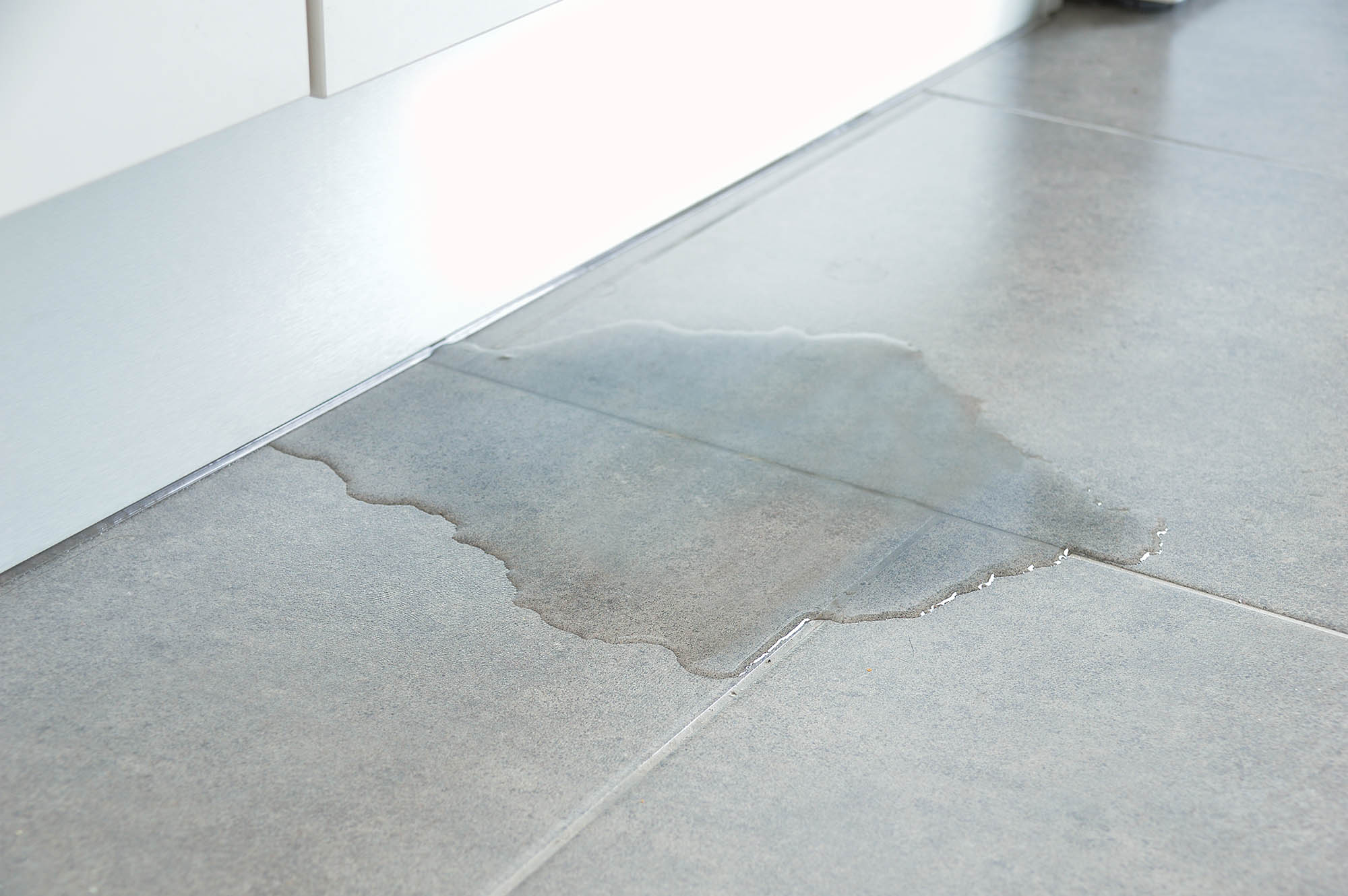
- Moisture, dripping, or water stains around joints and connections
- Bulging or warped sections that may indicate a weak spot
Even small leaks can waste thousands of gallons of water over time and lead to mold growth or structural damage. If you spot anything suspicious, our leak detection services can help pinpoint the exact source of the problem.
3. Test Your Sump Pump
Spring in Atlanta often brings heavy rain, and a functioning sump pump is your first line of defense against basement flooding. To test your sump pump, slowly pour a bucket of water into the sump pit. The pump should activate, remove the water, and shut off automatically. If it doesn't turn on, runs continuously, or makes unusual noises, it may need servicing or replacement before the rainy season hits.
Also check that the discharge pipe directs water well away from your foundation. Clogs or disconnections in the discharge line can send water right back toward your home.
4. Flush Your Water Heater
Sediment builds up in the bottom of your water heater tank over time, reducing efficiency and shortening its lifespan. Spring is an ideal time to flush the tank and remove that buildup. This simple maintenance task can improve heating performance, lower your energy bills, and extend the life of the unit by several years.
For a step-by-step guide on how to do this yourself, check out our article on flushing your water heater. If you're not comfortable doing it yourself, our team is happy to handle it for you.
5. Check Toilet Components for Wear
Toilets are one of the most common sources of hidden water waste in a home. Remove the tank lid on each toilet and inspect the interior components. Look for signs of wear on the flapper valve — if it's warped, cracked, or no longer creates a tight seal, water will continuously leak from the tank into the bowl.
A simple test: add a few drops of food coloring to the tank and wait 15 minutes without flushing. If color appears in the bowl, you have a leak. Also check that the fill valve shuts off properly and that the flush handle operates smoothly without sticking.
Pro Tip: A single leaking toilet can waste up to 200 gallons of water per day. Replacing a worn flapper is inexpensive and takes just a few minutes — it's one of the easiest DIY plumbing fixes you can make.
6. Clean Gutters and Downspouts
While gutters aren't technically part of your plumbing system, they play a critical role in directing water away from your home's foundation. Clogged gutters can cause water to overflow and pool around the base of your house, leading to foundation damage, basement moisture, and even sewer line issues over time.
Clear out leaves, twigs, and debris from all gutters and downspouts. Make sure downspout extensions direct water at least three to four feet away from your foundation. Spring is also a good time to check for any loose or sagging gutter sections that may have been damaged by winter storms.
7. Inspect Washing Machine Hoses
Washing machine supply hoses are under constant pressure and are a leading cause of catastrophic water damage in homes. Pull your washing machine away from the wall and examine the hot and cold water supply hoses. Look for cracks, blistering, bulges, or any signs of moisture at the connections.
If your hoses are more than five years old or are the standard rubber type, consider upgrading to braided stainless steel hoses. They're far more resistant to bursting and offer much better peace of mind for a relatively small investment.
8. Schedule a Professional Plumbing Inspection
While DIY inspections are a great starting point, a professional plumber can identify issues that aren't visible to the untrained eye. From checking water pressure levels to inspecting your sewer line with a camera, a thorough professional inspection covers areas that are easy to overlook during a homeowner walkthrough.
Regular inspections are one of the smartest investments you can make in your home's long-term health. Learn more about the benefits in our guide on why you should schedule regular plumbing inspections.
Keep Your Home Protected This Spring
Taking the time to walk through this checklist each spring can help you avoid unexpected plumbing emergencies, reduce water waste, and extend the life of your home's plumbing system. Many of these tasks take just a few minutes, but the savings in repair costs and water bills can be significant.
If you find any issues during your inspection — or if you'd rather have a licensed plumber handle the entire checkup — Plumb-All is here to help. We serve homeowners throughout Metro Atlanta and are ready to make sure your plumbing is in top shape for the season ahead.
Ready to schedule your spring plumbing checkup? Let our expert team inspect your system and give you peace of mind.