
Hard Water and Your Plumbing: Problems and Solutions
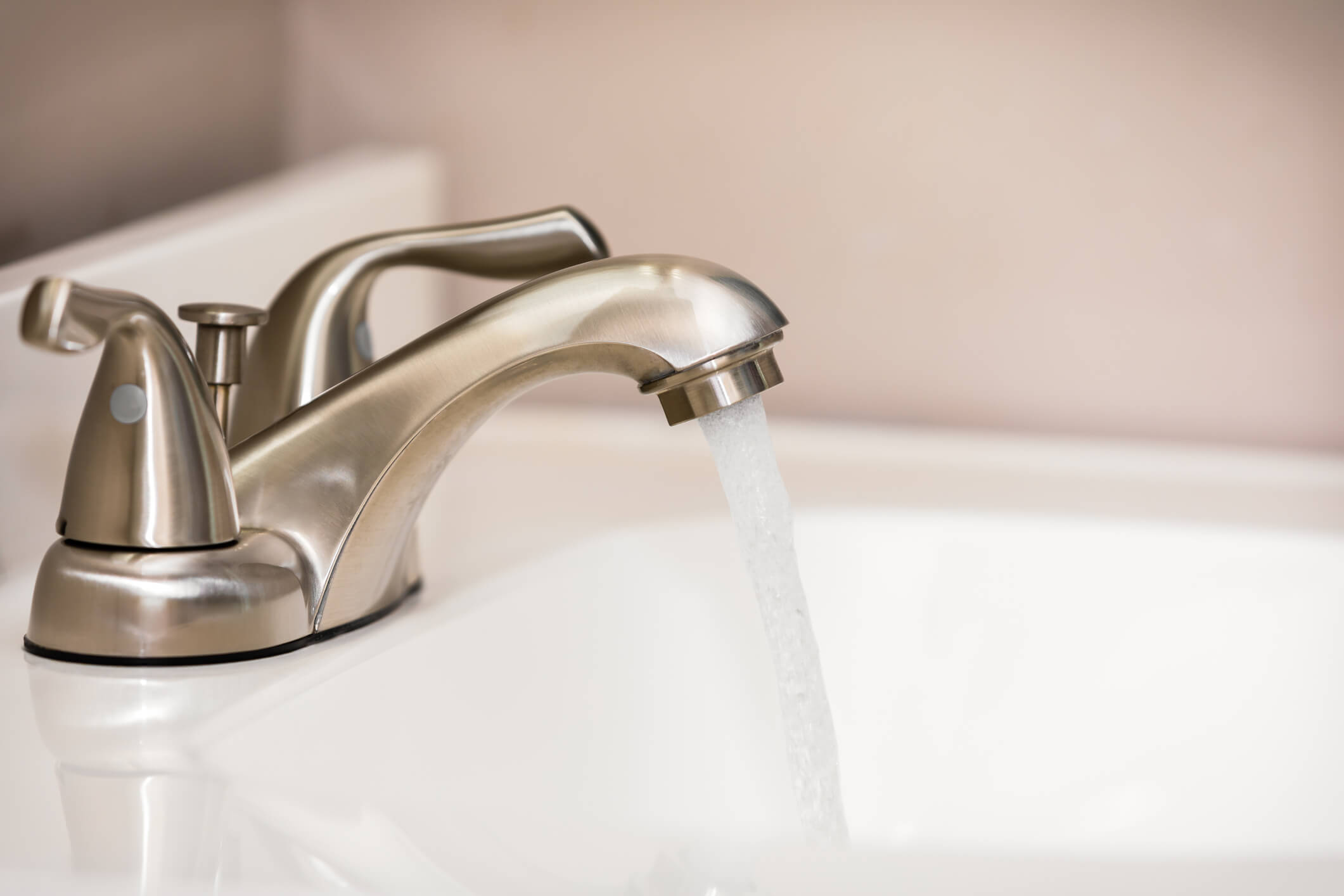
If you've ever noticed white, chalky deposits on your faucets, spots on your dishes after running the dishwasher, or a film on your shower doors that just won't come clean, you're likely dealing with hard water. It's one of the most common water quality issues facing homeowners across Metro Atlanta, and while it may seem like a minor annoyance, hard water can cause serious damage to your plumbing system over time. At Plumb-All, we help homeowners identify and resolve hard water problems before they lead to costly repairs.
What Is Hard Water?
Hard water is water that contains high concentrations of dissolved minerals, primarily calcium and magnesium. As water travels through the ground and into local water supplies, it picks up these minerals from limestone, chalk, and other geological formations. The higher the mineral content, the "harder" the water is considered. While hard water is generally safe to drink, it creates a range of problems for your home's plumbing infrastructure and appliances.
You can learn more about what influences your water supply in our article on 10 factors that affect water quality.
How to Identify Hard Water in Your Home
There are several telltale signs that your home has hard water:
- White or yellowish mineral deposits (scale) on faucets, showerheads, and around drains
- Spots and film on glassware and dishes after washing
- Soap that doesn't lather well and leaves a residue on skin and hair
- Stiff, dingy laundry even after a full wash cycle
- Reduced water pressure over time as pipes become restricted
- Frequent need to replace or repair water-using appliances
Pro Tip: A simple at-home test can tell you if you have hard water. Fill a clear bottle one-third full with tap water, add a few drops of liquid dish soap, and shake vigorously. If the water turns cloudy with very few bubbles, you likely have hard water. For a more precise measurement, water hardness test kits are available at most home improvement stores.
Effects on Pipes and Plumbing
The most significant long-term consequence of hard water is mineral buildup inside your pipes. As water flows through your plumbing system, calcium and magnesium deposits gradually accumulate on the interior walls of pipes. This process, known as scaling, narrows the diameter of the pipes and restricts water flow. Over months and years, this buildup can become severe enough to cause noticeably low water pressure, slow drains, and even complete blockages.
Galvanized steel pipes, which are still found in many older Metro Atlanta homes, are especially susceptible to scale accumulation. If your home has aging pipes and you suspect hard water issues, it's wise to schedule a professional plumbing inspection and repair before a small problem becomes a plumbing emergency.
Effects on Water Heaters
Your water heater is one of the appliances most vulnerable to hard water damage. When hard water is heated, the dissolved minerals precipitate out and settle at the bottom of the tank as sediment. This layer of sediment acts as an insulator between the heating element and the water, forcing your water heater to work harder and use more energy to reach the desired temperature.
Over time, this sediment buildup leads to several problems:
- Reduced efficiency: Your energy bills increase as the water heater struggles to heat water through the sediment layer.
- Shortened lifespan: The extra strain on heating elements and tank components accelerates wear and can cut years off the unit's expected life.
- Popping or rumbling noises: As water trapped beneath sediment heats and creates steam bubbles, you may hear unusual sounds from the tank.
- Inconsistent hot water: Sediment reduces the effective capacity of the tank, meaning you run out of hot water more quickly.
If your water heater is showing these symptoms, it may be time for a water heater replacement or at minimum a thorough flush and inspection.
Effects on Fixtures and Appliances
Hard water takes a visible toll on your fixtures. Faucets, showerheads, and toilet components develop crusty white or greenish scale deposits that are difficult to remove and can eventually impair their function. Showerheads become clogged, reducing spray pressure. Faucet aerators get blocked. Toilet fill valves may fail prematurely.
Appliances that use water, including dishwashers, washing machines, and ice makers, also suffer. Scale buildup on heating elements, valves, and internal components reduces their efficiency and shortens their operational lifespan. The cumulative cost of replacing these appliances more frequently can be substantial.
Metro Atlanta Water Hardness
Metro Atlanta's water hardness varies depending on the specific municipality and water source. Generally, the region's water falls in the moderately soft to moderately hard range, but certain areas, particularly those relying on groundwater or well systems, can experience significantly harder water. Homes in Clayton, Henry, and Fayette counties may encounter higher mineral concentrations depending on local geology. Even moderately hard water, over time, can produce the same damaging effects described above, so it's worth testing your water regardless of where you live in the metro area.
Solutions for Hard Water
The good news is that hard water is a very treatable problem. Here are the most effective solutions available to homeowners:
Water Softeners
A whole-house water softener is the most comprehensive solution for hard water. These systems use an ion exchange process to replace calcium and magnesium ions with sodium or potassium ions, effectively eliminating the minerals that cause scaling. A professionally installed water softener protects your entire plumbing system, from the main water line all the way to individual fixtures and appliances.
Descaling and Water Conditioning
For homeowners who prefer a salt-free alternative, electronic descalers and water conditioners offer another approach. These systems don't remove minerals from the water but instead alter their structure so they're less likely to adhere to pipe walls and fixtures. While not as effective as traditional water softeners for very hard water, they can be a good option for moderately hard water situations.
Regular Flushing and Maintenance
Regardless of whether you install a water treatment system, regular maintenance is essential. Flushing your water heater at least once a year removes accumulated sediment and helps maintain efficiency. Cleaning aerators and showerheads with vinegar dissolves mineral deposits and restores proper flow. Having a plumber inspect your pipes periodically can catch scaling issues before they cause serious damage.
Pro Tip: When flushing your water heater, always turn off the power supply (gas or electric) and allow the water to cool before draining. Connect a garden hose to the drain valve and run it to an appropriate drainage area. If the water coming out is heavily discolored or full of sediment particles, consider scheduling a professional service to ensure the tank is fully cleaned.
When to Call a Plumber
While some hard water maintenance tasks can be handled as DIY projects, there are situations where professional help is the best course of action. Contact a licensed plumber if you experience any of the following:
- A sudden or significant drop in water pressure throughout the home
- Recurring clogs or slow drains in multiple fixtures
- Visible corrosion or heavy scale buildup on exposed pipes
- Water heater making unusual noises or failing to heat water adequately
- Discolored water coming from your taps
- You're considering installing a water softener or whole-house filtration system
At Plumb-All, our experienced technicians can assess the extent of hard water damage in your plumbing system, recommend the right treatment solution for your home, and perform any necessary repairs or installations. Serving the Metro Atlanta area for over two decades, we understand the specific water quality challenges that local homeowners face and are here to help you protect your investment.
Concerned about hard water damage in your home?