
Bathroom Remodel Plumbing: What You Need to Know
A bathroom remodel is one of the most popular home improvement projects, and for good reason. An updated bathroom improves your daily comfort, adds value to your home, and can transform an outdated space into something modern and functional. But behind the tile choices, vanity styles, and paint colors, plumbing is the backbone of every bathroom remodel — and it's where many projects run into unexpected complications and budget overruns.
Whether you're planning a simple cosmetic refresh or a full gut renovation that changes the layout, understanding the plumbing implications of your design choices is essential. This guide covers the key plumbing considerations you need to know before, during, and after your bathroom remodel.
Start with the Plumbing Plan
The biggest mistake homeowners make with bathroom remodels is finalizing the design without consulting a plumber first. Tile, fixtures, and finishes are exciting to shop for, but plumbing determines what's feasible and how much the project will actually cost. A bathroom that looks simple on paper — like moving the toilet to the opposite wall or adding a second sink — can involve significant plumbing work that impacts your budget and timeline.
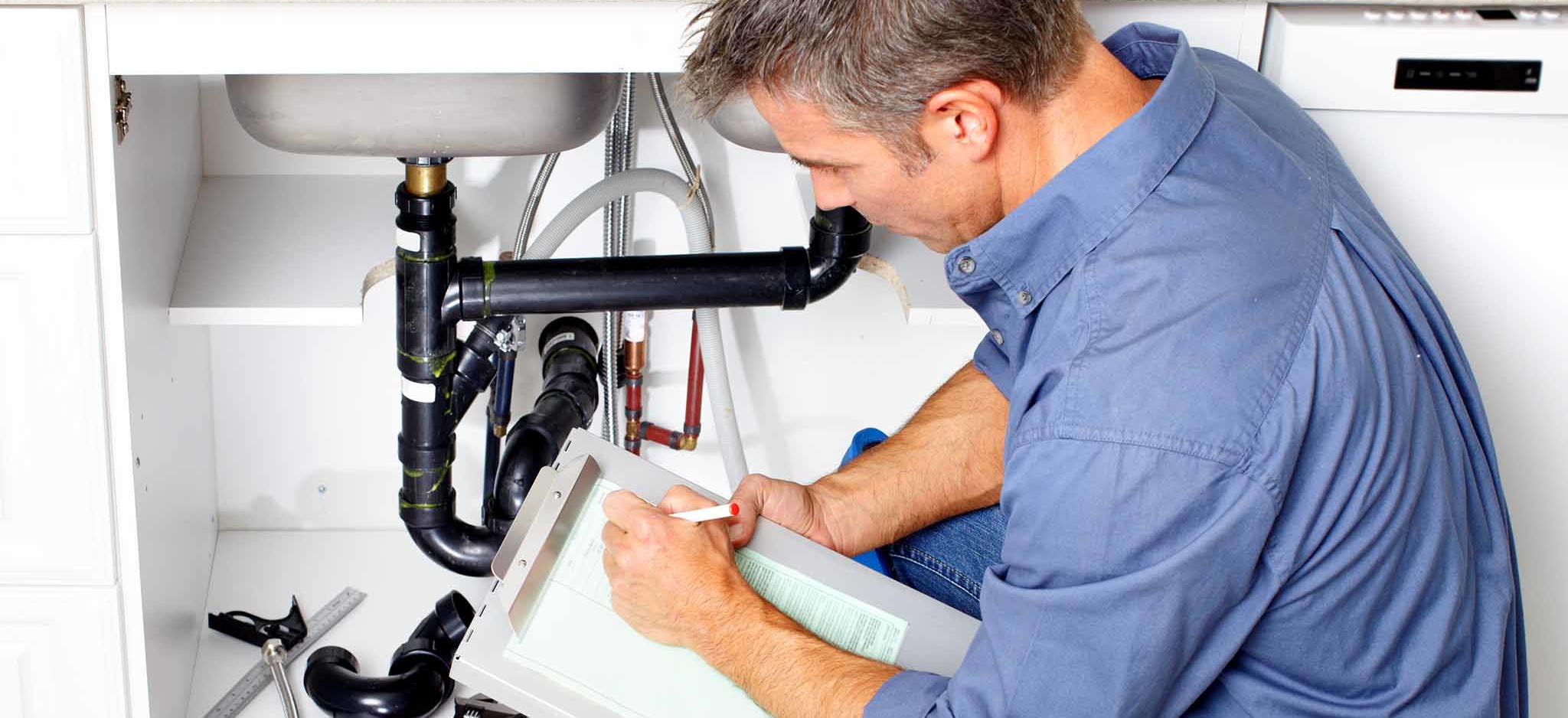
Before committing to a layout, have a plumber evaluate your existing plumbing system. They can tell you where your drain lines, supply lines, and vent stacks are located, what changes are practical, and where you might run into structural or code-related challenges. This information should drive your design decisions, not the other way around.
Moving Fixtures: What's Involved
Keeping fixtures in their current locations is always the most cost-effective approach. When you move a toilet, sink, or shower to a new position, you need to reroute both the supply lines (which bring water in) and the drain lines (which carry wastewater out). Drain lines are the bigger challenge because they require specific slopes for gravity flow and must connect to the existing vent stack.
Moving a Toilet
Moving a toilet is one of the most involved plumbing changes in a bathroom remodel. The toilet's drain connects to a large pipe (typically 3 or 4 inches in diameter) that runs through the floor or subfloor. Relocating it means extending or rerouting this drain line, which may require cutting into the floor, adjusting the slope, and potentially modifying the vent stack connection. On a concrete slab foundation, this can involve cutting into the slab, which adds significant cost. If you're considering a toilet installation in a new location, be sure to discuss the specifics with a professional plumber early in the planning process.
Moving a Shower or Bathtub
Showers and bathtubs require drain connections with proper slope, as well as supply lines for hot and cold water. Moving a shower a few inches is relatively straightforward, but relocating it to a different wall or switching from a tub to a walk-in shower may require significant plumbing modifications. Walk-in showers also need careful attention to waterproofing and drain placement to prevent leaks.
Adding a Second Sink
Converting a single-sink vanity to a double-sink setup is a popular upgrade, but it's not always as simple as adding another basin. The second sink needs its own drain connection and supply lines, and both sinks need to connect to the same drain line with proper venting. If the existing drain and vent are nearby, this is relatively straightforward. If not, additional plumbing work is required.
Understanding Permits and Code Requirements
In most Metro Atlanta municipalities, any plumbing work that involves moving, adding, or replacing drain lines or supply lines requires a plumbing permit. Cosmetic upgrades like replacing a faucet or swapping out a toilet in the same location typically don't require a permit, but changes to the plumbing layout do.
Permits exist to ensure that plumbing work meets building code requirements for safety and proper function. Code requirements cover pipe sizing, drain slopes, venting, fixture spacing, and connections to the main sewer line. Having permitted work also protects you when selling your home, as unpermitted plumbing modifications can create issues during a home inspection.
- Check with your local building department about permit requirements before starting work
- A licensed plumber will know what permits are needed and can often handle the application process
- Permitted work typically requires one or more inspections before walls and floors are closed up
- Never skip the permit process to save time or money — it can create serious problems down the road
Common Bathroom Remodel Plumbing Mistakes
Even well-planned remodels can go sideways if common plumbing mistakes aren't avoided. Here are the most frequent issues we see:
Not Accounting for Access Panels
Behind every shower valve and bathtub plumbing connection, there should be an access panel that allows future maintenance and repairs without tearing out tile or drywall. Many remodels seal everything behind finished walls with no way to reach the plumbing later. Plan for access panels during the design phase — your future self will thank you.
Choosing Fixtures Before Planning Plumbing
That stunning wall-mounted faucet or freestanding tub you found online may require specific plumbing configurations that differ from your existing setup. Wall-mounted faucets need supply lines routed through the wall at precise heights. Freestanding tubs need floor-mounted or wall-mounted supply connections. Always confirm that your chosen fixtures are compatible with your plumbing plan before purchasing.
Ignoring the Water Heater
Adding a larger bathtub, a second sink, or a multi-head shower system increases hot water demand. If your current water heater is already struggling to keep up, the new bathroom will only make things worse. Discuss your hot water needs with your plumber to determine whether your water heater can handle the added load or if an upgrade should be part of the project.
Inadequate Waterproofing
A beautiful tile shower is worthless if water is leaking behind the tiles and into the wall framing. Proper waterproofing — including a waterproof membrane behind shower walls and a properly sloped shower pan — is absolutely critical. This is one area where cutting corners during a remodel leads to expensive damage later.
When to Upgrade Your Plumbing During a Remodel
A bathroom remodel is the perfect opportunity to address underlying plumbing issues that would otherwise remain hidden behind walls and floors. If your home has older galvanized steel or polybutylene pipes, consider replacing them while the walls are open. If your shut-off valves are old and corroded, now is the time to install new quarter-turn ball valves. If drain lines are in poor condition, replacing them during the remodel is far cheaper than doing it as a separate project later.
Our bathroom plumbing team can assess your existing system and recommend upgrades that make sense as part of your remodel. We also handle plumbing installation for new fixtures, ensuring everything is properly connected, vented, and code-compliant.
Pro Tip: Before your remodel begins, take photos of the inside of your walls and floors once they're opened up. Document where pipes, valves, and connections are located. These photos will be invaluable for future maintenance, repairs, or the next renovation project.
Plan Smart, Build Right
A successful bathroom remodel starts with understanding the plumbing before the first tile is ordered. By consulting with a plumber early, planning your layout around existing plumbing when possible, and avoiding common mistakes, you can save time, money, and frustration. When plumbing changes are needed, working with experienced professionals ensures the work is done right the first time.
Planning a bathroom remodel? Let us handle the plumbing!