
Bathroom Ventilation: Preventing Moisture Damage
Your bathroom is one of the most moisture-prone rooms in your home. Every shower, bath, and even routine handwashing adds humidity to the air. Without proper ventilation, that moisture has nowhere to go, and over time it can cause serious damage to your walls, ceilings, flooring, and even the structural components of your home. Mold, mildew, peeling paint, and rotting wood are all consequences of inadequate bathroom ventilation.
At Plumb-All, we understand that ventilation is an often-overlooked aspect of bathroom plumbing and design. In this guide, we'll explain why ventilation matters, how exhaust fans work, and what you can do to protect your home from moisture damage.
Why Bathroom Ventilation Matters
When you take a hot shower, the steam that fills the room contains a significant amount of water vapor. In a small bathroom, a single shower can release more than a pint of water into the air. If that moisture isn't removed quickly, it condenses on cooler surfaces like walls, mirrors, windows, and ceilings. Over time, this repeated cycle of condensation creates an ideal environment for mold and mildew growth.
The consequences of poor ventilation extend beyond cosmetic issues:
- Mold and mildew growth: These fungi thrive in warm, damp environments. Beyond being unsightly, mold can cause respiratory issues, allergic reactions, and aggravate asthma, particularly in children and the elderly.
- Structural damage: Persistent moisture can cause wood framing, subfloors, and drywall to rot, weaken, and eventually fail. Repairing structural moisture damage is far more expensive than installing proper ventilation.
- Paint and finish damage: Moisture causes paint to bubble, peel, and flake. Wallpaper adhesive breaks down, and grout between tiles can deteriorate.
- Fixture corrosion: Metal fixtures, hinges, and hardware can rust and corrode when exposed to persistent humidity.
- Odor problems: Stagnant, moist air can lead to persistent musty odors that are difficult to eliminate without addressing the underlying ventilation issue.
Understanding Exhaust Fans
The primary tool for bathroom ventilation is the exhaust fan. These fans are designed to pull humid air out of the bathroom and vent it to the exterior of your home. When properly sized and installed, an exhaust fan can dramatically reduce moisture levels and protect your home from damage.
Choosing the Right Size
Exhaust fans are rated in CFM (cubic feet per minute), which measures how much air they can move. The general rule is that you need 1 CFM per square foot of bathroom floor space, with a minimum of 50 CFM for small bathrooms. For larger bathrooms or those with jetted tubs or separate shower enclosures, you may need a higher-capacity fan. A bathroom that's 100 square feet, for example, should have a fan rated at 100 CFM or higher.
Proper Installation
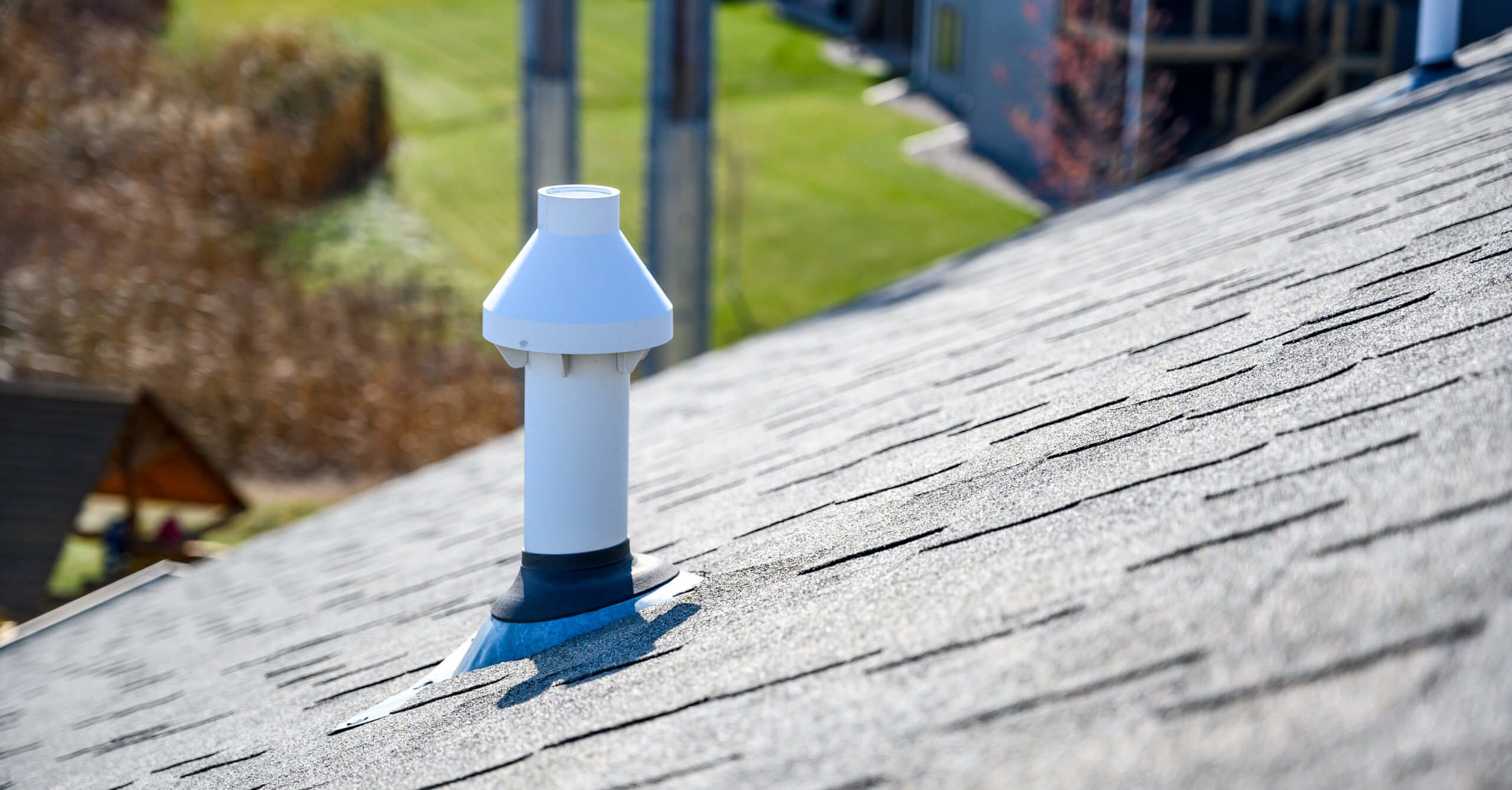
An exhaust fan is only effective if it's properly installed and vented. The fan should be positioned near the shower or tub where the most moisture is generated, ideally on the ceiling. The ductwork must vent to the outside of the home through the roof or an exterior wall. Venting into the attic is a common mistake that simply moves the moisture problem to another part of the house, where it can cause attic mold and rotted roof decking.
How Long to Run the Fan
Many homeowners make the mistake of turning off the exhaust fan as soon as they leave the bathroom. For optimal moisture removal, the fan should run during your shower or bath and continue running for at least 20-30 minutes afterward. Consider installing a timer switch that automatically shuts the fan off after a set period, or a humidity-sensing fan that turns on and off based on moisture levels in the room.
Signs of Poor Bathroom Ventilation
Not sure if your bathroom is adequately ventilated? Here are some telltale signs that you may have a ventilation problem:
- Foggy mirrors that stay foggy: While some mirror fogging during a shower is normal, if your mirrors remain fogged for a long time after you're done, the moisture isn't being removed effectively.
- Mold or mildew on walls and ceiling: Black, green, or pink spots on bathroom surfaces are a clear sign of excess moisture.
- Peeling paint or wallpaper: Moisture getting behind paint and wallpaper causes it to lose adhesion and peel away from the surface.
- Musty odors: A persistent damp or musty smell indicates that moisture is lingering and mold may be growing in hidden areas.
- Condensation on windows: Excessive condensation on bathroom windows during and after showers indicates that humidity levels are too high.
- Warped or soft spots in flooring: Moisture can seep beneath flooring and cause subflooring to warp or soften over time.
- Deteriorating caulk and grout: If caulk around your tub or shower is constantly failing or grout is crumbling, excess moisture may be the cause.
Additional Ventilation Strategies
While an exhaust fan is the most effective solution, there are additional steps you can take to improve bathroom ventilation and reduce moisture:
- Open a window: If your bathroom has a window, opening it during and after showers can help reduce humidity, especially in mild weather.
- Keep the bathroom door open: After showering, leave the door open to allow air circulation with the rest of your home.
- Use a squeegee: Wiping down shower walls and glass doors after each use removes a significant amount of standing water before it can evaporate into the air.
- Hang towels to dry elsewhere: Wet towels left in the bathroom add to the overall humidity. Hang them in a well-ventilated area to dry.
- Inspect and maintain your fan: Clean the fan cover regularly to remove dust buildup, and check that the ductwork is intact and properly connected. A dirty or disconnected fan won't remove moisture effectively.
If your bathroom lacks an exhaust fan or you're dealing with persistent moisture problems, a professional plumber can assess your situation and recommend the best solution. Whether it's installing a new fan, upgrading ductwork, or addressing underlying bathroom plumbing issues, getting the ventilation right will save you from costly repairs down the road.
Pro Tip: Test your exhaust fan's effectiveness by holding a tissue up to the fan grille while it's running. If the tissue is pulled toward the fan and held in place, it's working properly. If the tissue falls away, the fan may be underpowered, clogged with dust, or disconnected from its ductwork.
Need help with bathroom ventilation or plumbing? We're here to help!