
Drain Field Maintenance: Protecting Your Septic System
Your septic drain field, also called a leach field or absorption field, is arguably the most important and most vulnerable component of your entire septic system. While the septic tank gets most of the attention, it's the drain field that does the final heavy lifting of treating wastewater before it returns to the environment. A failing drain field can cost $10,000 to $30,000 or more to replace, making proper maintenance one of the best investments a septic system owner can make.
Many homeowners don't think about their drain field until something goes wrong. By understanding how the drain field works and following a few straightforward maintenance practices, you can extend its life by decades and avoid one of the most expensive home repairs you'll ever face.
How Drain Fields Work
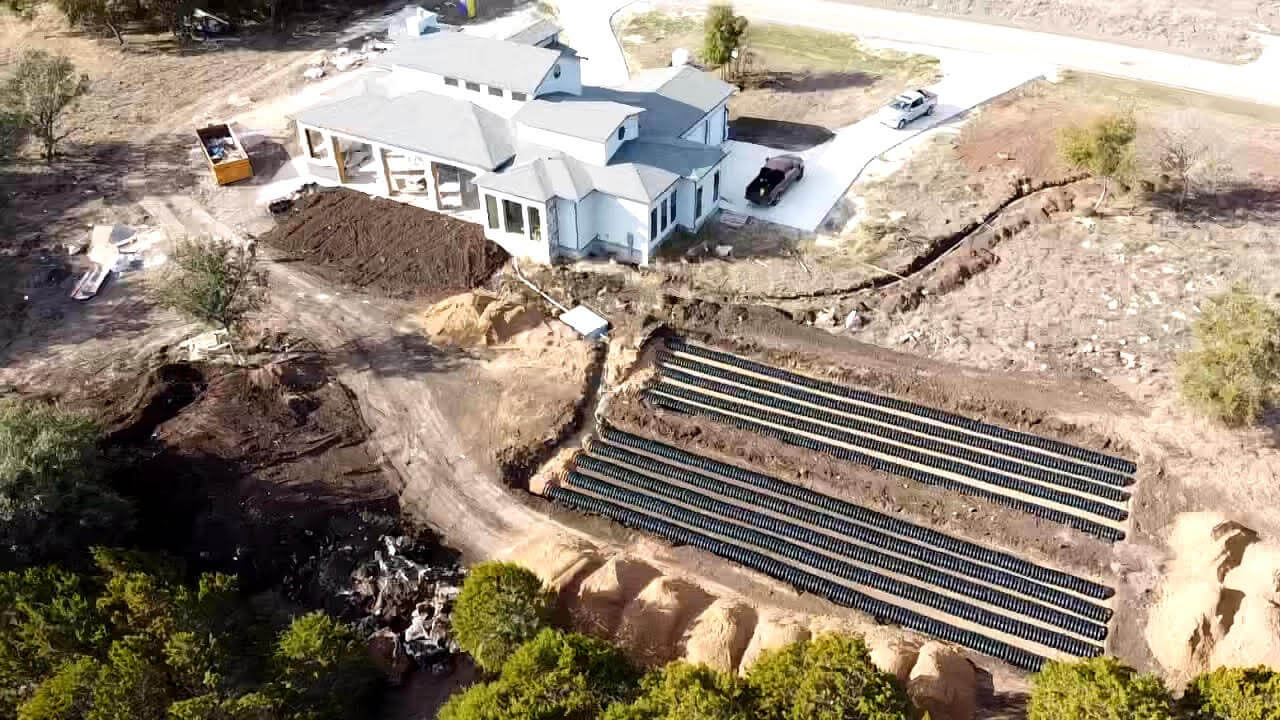
After wastewater leaves your septic tank, the liquid effluent flows through a network of perforated pipes buried in gravel-filled trenches in your yard. As the effluent seeps out of the pipes, it passes through the gravel layer and then percolates slowly through the underlying soil. This process is where the real treatment happens.
The soil acts as a natural filter, removing bacteria, viruses, and nutrients from the wastewater. A biomat, a layer of beneficial bacteria, forms at the interface between the gravel and the soil. This biomat further breaks down contaminants before the treated water reaches the groundwater table. The entire system depends on the soil's ability to absorb and filter the effluent at a rate that matches the volume of wastewater your household produces.
A healthy drain field is a carefully balanced ecosystem. The soil must remain permeable enough to absorb effluent but dense enough to filter it effectively. The biomat must be thick enough to treat contaminants but not so thick that it blocks absorption entirely. Disrupting this balance leads to drain field failure.
Signs of Drain Field Failure
Catching drain field problems early is critical. A failing drain field often gives warning signs well before complete failure. If you notice any of these symptoms, contact a septic repair professional promptly:
- Standing water or soggy soil: Puddles or consistently wet areas over or near the drain field, especially when it hasn't rained, indicate that the soil is no longer absorbing effluent properly.
- Unusually lush or green grass: While a slight difference in grass growth over the drain field is normal, dramatically greener or taller grass compared to the surrounding yard suggests that excess nutrients from inadequately treated effluent are reaching the surface.
- Sewage odors outdoors: Foul smells near the drain field mean effluent is surfacing or pooling near the ground level rather than being absorbed and treated underground.
- Slow drains throughout the house: When the drain field can't absorb effluent fast enough, wastewater backs up through the system, causing slow drains and gurgling toilets inside the home.
- Sewage backup in the home: In severe cases, a failed drain field causes raw sewage to back up into the lowest drains in your home, creating a health hazard and an expensive cleanup situation.
- Algae bloom in nearby water: If you have a pond, stream, or ditch near your drain field and notice increased algae growth, it may indicate that nutrient-rich effluent is reaching the surface water.
Essential Maintenance Tips
Keep Up with Septic Tank Pumping
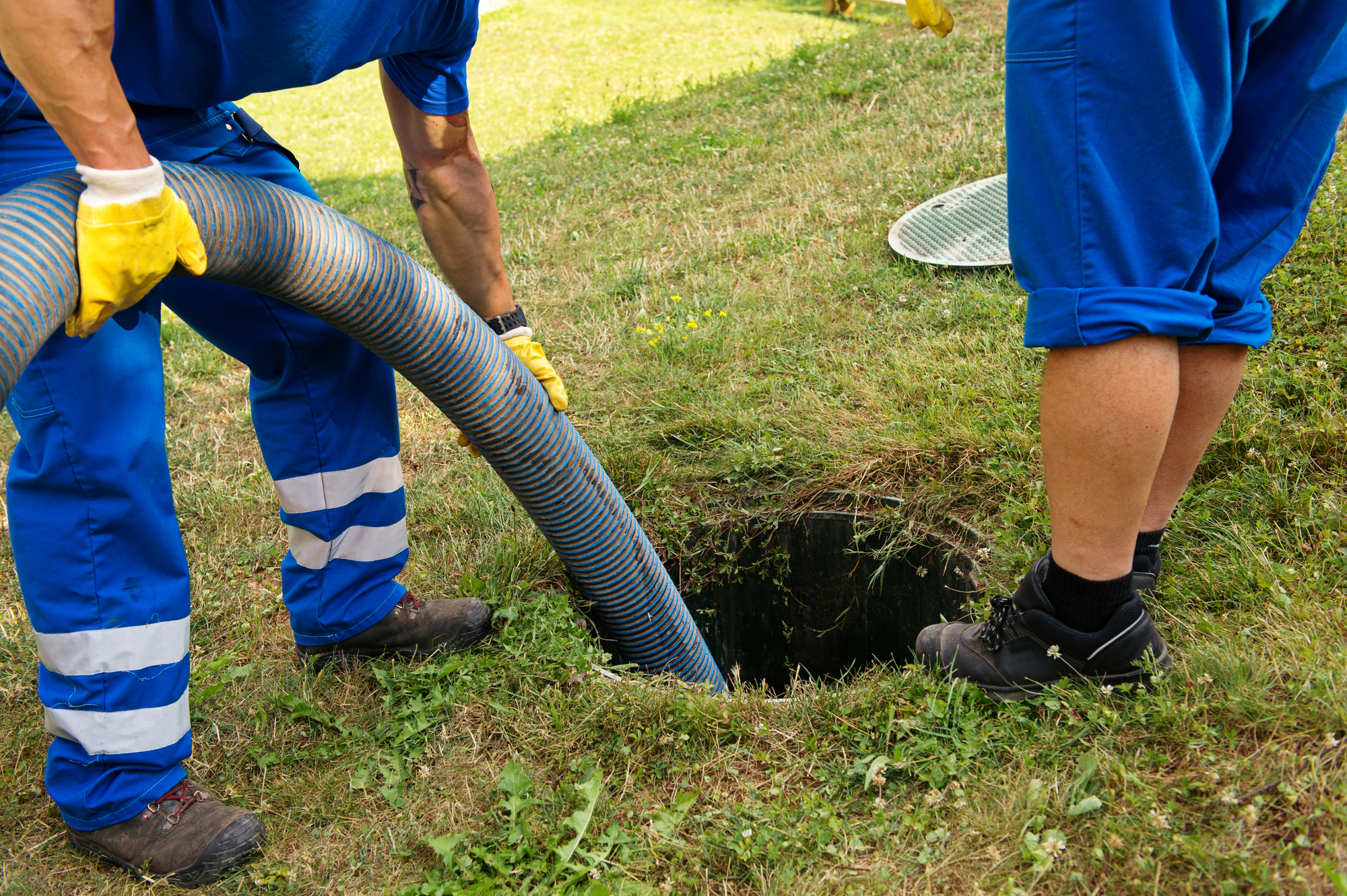
The single most important thing you can do to protect your drain field is to keep your septic tank properly maintained. Regular septic tank pumping every 3 to 5 years prevents solids from flowing into the drain field. When solids escape the tank and enter the drain field pipes, they clog the gravel and soil, creating a barrier that prevents effluent absorption. This type of clogging is often irreversible without drain field replacement.
Manage Water Usage
Every gallon of water that goes down your drains ends up in the drain field. Excessive water usage overwhelms the drain field's absorption capacity, preventing proper treatment and causing premature failure. Fix running toilets and leaky faucets promptly, as even small leaks add up to hundreds of gallons per day. Spread laundry loads throughout the week rather than doing multiple loads in one day. Install water-efficient fixtures and appliances to reduce the overall volume entering the system.
Divert Surface Water
The drain field needs to process only the wastewater from your home. Additional water from rain, snowmelt, or surface runoff saturates the soil and reduces its ability to absorb effluent. Make sure gutters and downspouts direct roof water away from the drain field. Grade the surrounding landscape so that surface water flows away from the drain field area. If necessary, install French drains or swales to redirect water.
Protect the Soil
The soil over and around your drain field must remain loose and permeable. Compacted soil doesn't absorb water effectively, which is why you should never drive vehicles, park cars, or place heavy equipment on the drain field. Even riding mowers can compact the soil over time if you make repeated passes over the same areas. Keep foot traffic to a minimum and avoid any activities that compress the ground above the drain field trenches.
Schedule Regular Inspections
Have your entire septic system, including the drain field, inspected by a professional every 1 to 3 years. A trained technician can identify early signs of drain field stress before they become visible to the homeowner. Inspections typically include checking the distribution box for even flow, probing the drain field for saturation levels, and evaluating the septic tank's sludge and scum layers.
What to Avoid
Don't Plant Trees or Large Shrubs Near the Drain Field
Tree and shrub roots seek out the moisture and nutrients in drain field lines. Once roots penetrate the perforated pipes, they grow rapidly, blocking flow and damaging the distribution system. Keep all trees at least 30 feet from the drain field, and avoid fast-growing species like willows, maples, and poplars, which have especially aggressive root systems. The only vegetation on the drain field should be grass, which helps prevent erosion without threatening the pipes.
Don't Build on or Over the Drain Field
Sheds, decks, patios, driveways, and any other structures built on the drain field compact the soil, block oxygen exchange, and make the system inaccessible for maintenance and repair. Even temporary structures like above-ground pools can damage a drain field. Keep the entire drain field area clear and accessible.
Don't Use Excessive Chemicals
Harsh chemicals, including bleach, drain cleaners, paint thinners, pesticides, and antibacterial soaps, can kill the beneficial bacteria in your septic tank and drain field that are essential for wastewater treatment. Use septic-safe cleaning products and avoid pouring any chemical down the drain that you wouldn't want in your groundwater.
Don't Ignore the Warning Signs
When a drain field begins to fail, the problem only gets worse over time. Early intervention, such as adjusting water usage, pumping the tank, or repairing a distribution issue, can sometimes save a struggling drain field. Waiting until the system has completely failed eliminates most repair options and usually means a full drain field replacement. If you notice any signs of trouble, consider exploring alternative septic solutions that might be appropriate for your property.
How Long Should a Drain Field Last?
A properly designed and well-maintained drain field should last 20 to 30 years or more. Some drain fields have functioned effectively for 40 to 50 years when homeowners have been diligent about maintenance. On the other hand, a neglected drain field can fail in as few as 5 to 10 years. The difference almost always comes down to regular septic tank pumping, responsible water usage, and protecting the drain field from physical damage.
Pro Tip: Create a map of your septic system showing the exact locations of the tank, distribution box, and drain field lines. Keep this map with your home records and share it with anyone who does work on your property, including landscapers, fence installers, and contractors. Many drain fields are damaged by workers who didn't know the system was there.
Concerned about your drain field? We can help with an inspection!