
Eco-Friendly Plumbing Upgrades for Your Home
Going green doesn't have to mean major sacrifices or complicated renovations. Some of the most impactful environmental changes you can make are right in your plumbing system. From the fixtures you use every day to the water heater running in your basement, small upgrades can dramatically reduce water waste, lower your energy bills, and shrink your household's environmental footprint.
Whether you're motivated by saving money, conserving resources, or both, these eco-friendly plumbing upgrades are practical, affordable, and well worth considering for any home.
Low-Flow Fixtures
One of the simplest and most cost-effective green plumbing upgrades is switching to low-flow fixtures. Modern low-flow showerheads, faucets, and aerators use significantly less water than older models without a noticeable difference in performance. Thanks to advances in design, today's low-flow fixtures deliver strong, satisfying water flow while using a fraction of the water.
Low-Flow Showerheads
Standard showerheads use about 2.5 gallons per minute (GPM). A WaterSense-certified low-flow showerhead uses 2.0 GPM or less — a 20% reduction or more. For a family of four, that can save over 7,000 gallons of water per year just from showers alone. That's also less hot water to heat, which translates directly into lower energy bills.
Faucet Aerators
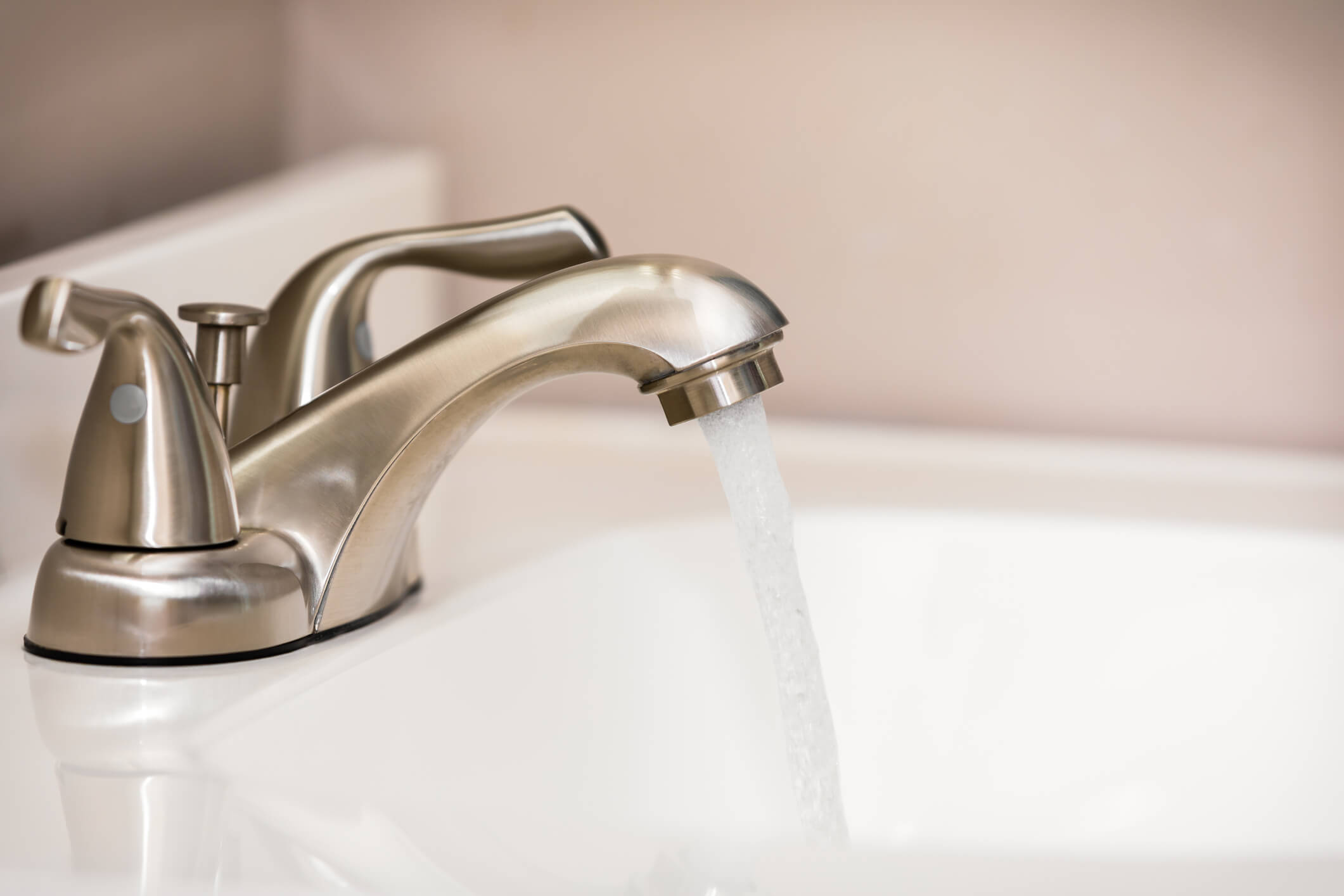
Faucet aerators are inexpensive screw-on attachments that mix air into the water stream, reducing flow while maintaining pressure. A standard kitchen faucet flows at about 2.2 GPM, but an aerator can cut that to 1.5 GPM or less. Bathroom faucets can be reduced even further to 1.0 GPM or below. At just a few dollars each, aerators are one of the highest-return plumbing investments you can make.
Dual-Flush Toilets
Toilets are the single biggest water user in most homes, accounting for nearly 30% of indoor water consumption. Older toilets can use 3.5 to 7 gallons per flush, while modern dual-flush toilets give you two options: a low-volume flush (around 0.8 gallons) for liquid waste and a standard flush (1.6 gallons) for solid waste.
Since the majority of flushes in a household are for liquid waste, a dual-flush toilet can reduce water usage by 25 to 60% compared to an older single-flush model. Over the course of a year, that adds up to thousands of gallons saved per toilet. If replacing the entire toilet isn't in your budget, dual-flush conversion kits are available that can retrofit many existing toilets at a much lower cost.
Tankless Water Heaters
Traditional tank water heaters store 40 to 80 gallons of hot water at all times, continuously heating and reheating that water whether you're using it or not. This "standby heat loss" wastes a significant amount of energy. Tankless water heaters, also called on-demand heaters, eliminate this waste by heating water only when you turn on a hot water tap.
A tankless system can be 24 to 34% more energy-efficient than a conventional tank heater for homes that use 41 gallons or less of hot water daily, according to the U.S. Department of Energy. For higher-usage homes, efficiency gains of 8 to 14% are typical. Tankless units also last longer — 20 years or more compared to 10 to 15 years for traditional tanks — further reducing their environmental impact over time.
If you're considering this upgrade, our team can help you choose the right system and handle the full water heater replacement process from start to finish.
Greywater Recycling Systems
Greywater is the relatively clean wastewater from sinks, showers, bathtubs, and washing machines — essentially any household water that doesn't come from toilets or kitchen drains. A greywater recycling system captures this water and redirects it for non-potable uses like landscape irrigation, toilet flushing, or garden watering.
Depending on the system's complexity, greywater recycling can reduce household water consumption by 30 to 50%. Simple systems that route washing machine water directly to landscape irrigation are relatively affordable and straightforward to install. More advanced systems with filtration and treatment can serve multiple reuse purposes throughout the home.
Keep in mind that greywater systems must comply with local building codes and health regulations. A licensed plumber experienced in plumbing installation can advise you on what's permitted in your area and design a system that meets all requirements.
Hot Water Recirculation Systems
How much water do you waste waiting for hot water to reach your shower or kitchen sink? In many homes, the answer is several gallons per use — water that literally goes straight down the drain while you wait. A hot water recirculation system keeps hot water circulating through your pipes so it's available almost instantly when you turn on the tap.
These systems can save 10,000 to 15,000 gallons of water per year in a typical household. Timer-based and demand-based models are available, allowing you to choose the option that best fits your usage patterns and budget.
Insulating Your Pipes
Pipe insulation is one of the most overlooked eco-friendly upgrades. Insulating your hot water pipes reduces heat loss as water travels from your heater to your fixtures, meaning the water arrives hotter and you use less energy to maintain temperature. It also reduces the wait time for hot water, which saves water. Foam pipe insulation is inexpensive and easy to apply to exposed pipes in basements, crawl spaces, and utility areas.
Making It All Add Up
You don't have to do everything at once. Even starting with one or two upgrades — like swapping out old showerheads and installing faucet aerators — can make a measurable difference in your water and energy consumption. As you plan larger projects like a water heater replacement or bathroom renovation, you can incorporate additional eco-friendly options that compound your savings over time.
Pro Tip: Look for the EPA's WaterSense label when shopping for new fixtures. WaterSense-certified products meet strict efficiency and performance criteria, so you can save water without sacrificing the quality of your experience.
Ready to make your plumbing more eco-friendly? Let's talk.