
Garbage Disposal Do's and Don'ts
A garbage disposal is one of the most convenient appliances in your kitchen, making cleanup faster and reducing the amount of food waste that ends up in the trash. But despite being a powerful tool, a garbage disposal has its limitations. Using it improperly can lead to jams, clogs, foul odors, and even damage to your plumbing system. Knowing what should and shouldn't go into your disposal is the key to keeping it running smoothly for years to come.
At Plumb-All, we see disposal-related plumbing issues on a regular basis, and most of them are entirely preventable. In this guide, we'll cover the essential do's and don'ts of garbage disposal use, along with maintenance tips and troubleshooting advice.
The Do's: What You Should Put in Your Disposal
Your garbage disposal is designed to handle small amounts of soft food waste. Here's what's safe to send through:
- Small food scraps: Bits of fruit, vegetables, and cooked meat left on plates after meals are perfectly fine for the disposal.
- Citrus peels: Small pieces of lemon, lime, or orange peel help clean the grinding components and leave a fresh scent.
- Ice cubes: Running ice cubes through the disposal helps knock off buildup from the grinding plate and sharpens the impellers.
- Soft foods: Cooked vegetables, small pieces of bread, and similar soft foods are easy for the disposal to handle.
- Cold water: Always run cold water before, during, and for 15-20 seconds after using the disposal. Cold water solidifies any grease in the waste so it can be chopped up and flushed through, rather than coating the pipe walls.
The Don'ts: What You Should Never Put in Your Disposal
Many common kitchen items can damage your disposal or cause serious clogs in your drain pipes. Avoid putting these items down the disposal:
Grease, Oil, and Fat
This is the number one cause of kitchen drain clogs. Grease and oil may flow freely in liquid form, but once they cool inside your pipes, they solidify and coat the pipe walls, gradually narrowing the passage until it's completely blocked. Bacon grease, cooking oil, butter, and meat drippings should always be collected in a container and disposed of in the trash.
Fibrous Foods
Foods with long, stringy fibers can wrap around the disposal's grinding components and cause jams. Celery, asparagus, artichokes, corn husks, and onion skins are common culprits. These items should go in the compost bin or trash instead.
Starchy and Expandable Foods
Pasta, rice, oatmeal, and potato peels expand when they absorb water and can form a thick, gluey mass that clogs your pipes. Even small amounts can accumulate over time and create stubborn blockages. A few stray noodles are unlikely to cause a problem, but regularly dumping plates of leftover pasta into the disposal is asking for trouble.
Bones and Shells
While some disposal manufacturers claim their units can handle small bones, it's generally best to avoid putting bones, shellfish shells, and similar hard items into the disposal. These items can dull the grinding components, cause jams, and don't break down easily in your drain pipes.
Coffee Grounds
Coffee grounds seem harmless because they're so fine, but they're actually one of the most common causes of drain blockages. Once in the pipes, coffee grounds accumulate and form a dense, sludgy mass that's difficult to clear. Dispose of coffee grounds in the trash, compost, or garden instead.
Eggshells
There's a persistent myth that eggshells sharpen garbage disposal blades. In reality, disposals don't have blades, and the membrane lining of eggshells can wrap around the grinding components. The ground-up shell particles can also accumulate in pipes and contribute to clogs.
Non-Food Items
It should go without saying, but never put non-food items like plastic, glass, metal, paper, or rubber bands into the disposal. These items can damage the grinding mechanism, jam the motor, and cause serious clogs in your drain system.
Maintenance Tips for a Healthy Disposal
Regular maintenance keeps your disposal running efficiently and helps prevent odors and buildup:
- Clean it weekly: Run a handful of ice cubes and a cup of rock salt through the disposal to scour the grinding chamber. Follow up with cold water for 30 seconds.
- Freshen with citrus: Once a week, grind a few small pieces of lemon or lime peel to combat odors and leave a fresh scent.
- Flush with water: Periodically fill the sink with a few inches of warm, soapy water, then pull the drain plug and run the disposal. The rush of water helps flush debris from the disposal and drain pipe.
- Clean the splash guard: The rubber splash guard at the drain opening can harbor bacteria and food particles. Scrub it with a brush and dish soap regularly.
- Run it regularly: Even if you don't have food to grind, run the disposal with cold water every few days to prevent rust, corrosion, and the hardening of any remaining food particles.
Troubleshooting Common Problems
The Disposal Won't Turn On
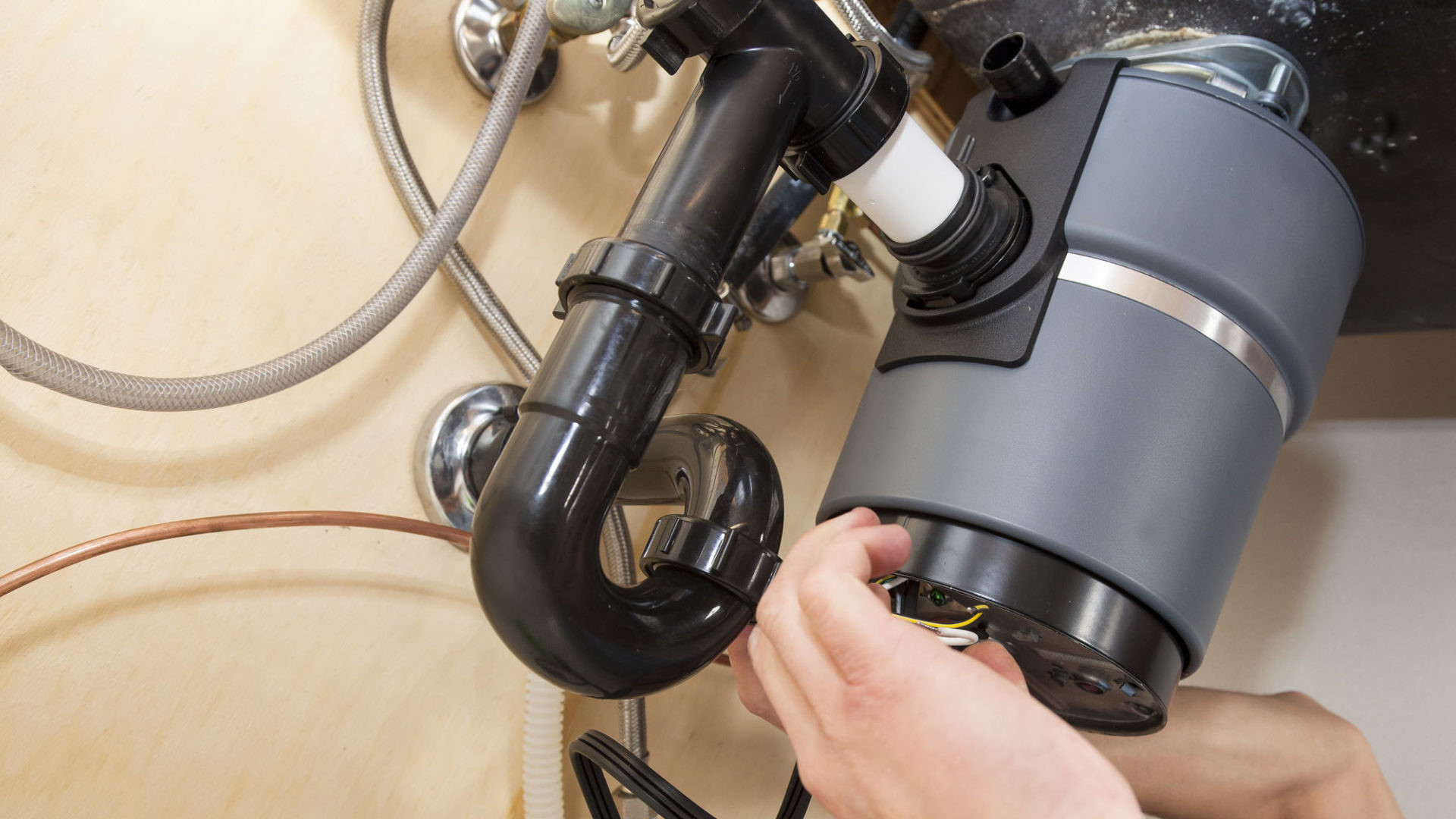
First, check that it's plugged in and the circuit breaker hasn't tripped. Most disposals have a reset button on the bottom of the unit. Press it and try again. If it still won't start, the motor may have failed and you'll need a garbage disposal repair or replacement.
The Disposal Is Jammed
Turn the disposal off and never reach inside with your hand. Most disposals come with a hex wrench (or you can use a standard 1/4-inch Allen wrench) that fits into a socket on the bottom of the unit. Insert the wrench and turn it back and forth to free the grinding plate. Once freed, press the reset button and test with cold water running.
The Disposal Is Leaking
A leaking disposal can be caused by a worn-out flange seal, loose connections, or a cracked unit. Check the mounting assembly, discharge pipe connections, and dishwasher inlet for loose fittings. If the body of the disposal is cracked, it will need to be replaced.
Bad Odors
Persistent odors usually come from trapped food particles. Try the ice and salt cleaning method described above, followed by a baking soda and vinegar flush. If odors persist, there may be a clog further down the drain line that needs professional attention.
Pro Tip: Never use chemical drain cleaners in a garbage disposal. The harsh chemicals can corrode the metal components inside the disposal and damage the rubber gaskets and seals. If your disposal drain is clogged, use a plunger or call a professional plumber.
Garbage disposal acting up? Plumb-All can repair or replace it!