
Signs of a Hidden Water Leak and What to Do About It
Water leaks don't always announce themselves with dramatic flooding or visible dripping. In fact, some of the most damaging leaks in Metro Atlanta homes go undetected for weeks or even months, silently driving up water bills, encouraging mold growth, and weakening your home's structure. Knowing what to look for can save you thousands of dollars in repairs and protect your family's health.
Pro Tip: The EPA estimates that household leaks waste nearly 1 trillion gallons of water nationwide each year. Catching a hidden leak early isn't just good for your wallet — it's good for the environment, too.
Unexplained Water Bill Increases
One of the earliest and most reliable signs of a hidden leak is a sudden spike in your water bill. If your usage habits haven't changed but your bill has climbed significantly, there's a good chance water is escaping somewhere in your plumbing system. Even a small, steady leak — such as a pinhole leak in a supply line — can waste hundreds of gallons per month.
To confirm your suspicion, try this simple test: turn off every water-using fixture and appliance in your home, then check your water meter. If the meter is still moving, you almost certainly have a leak that needs professional leak detection.
Musty Smells or Mold Growth
Persistent musty odors in bathrooms, kitchens, basements, or crawl spaces often point to hidden moisture. When water leaks behind walls or under floors, it creates the perfect breeding ground for mold and mildew. You might notice dark spots on walls or ceilings, a lingering damp smell that won't go away despite cleaning, or even allergy-like symptoms among household members.
Mold can begin growing within 24 to 48 hours of sustained moisture exposure, and once established, it spreads quickly. If you're noticing these signs, it's important to identify and fix the water source before attempting any mold remediation. If water is already leaking through your ceiling, the problem may be more advanced than you think.
Warm Spots on Floors
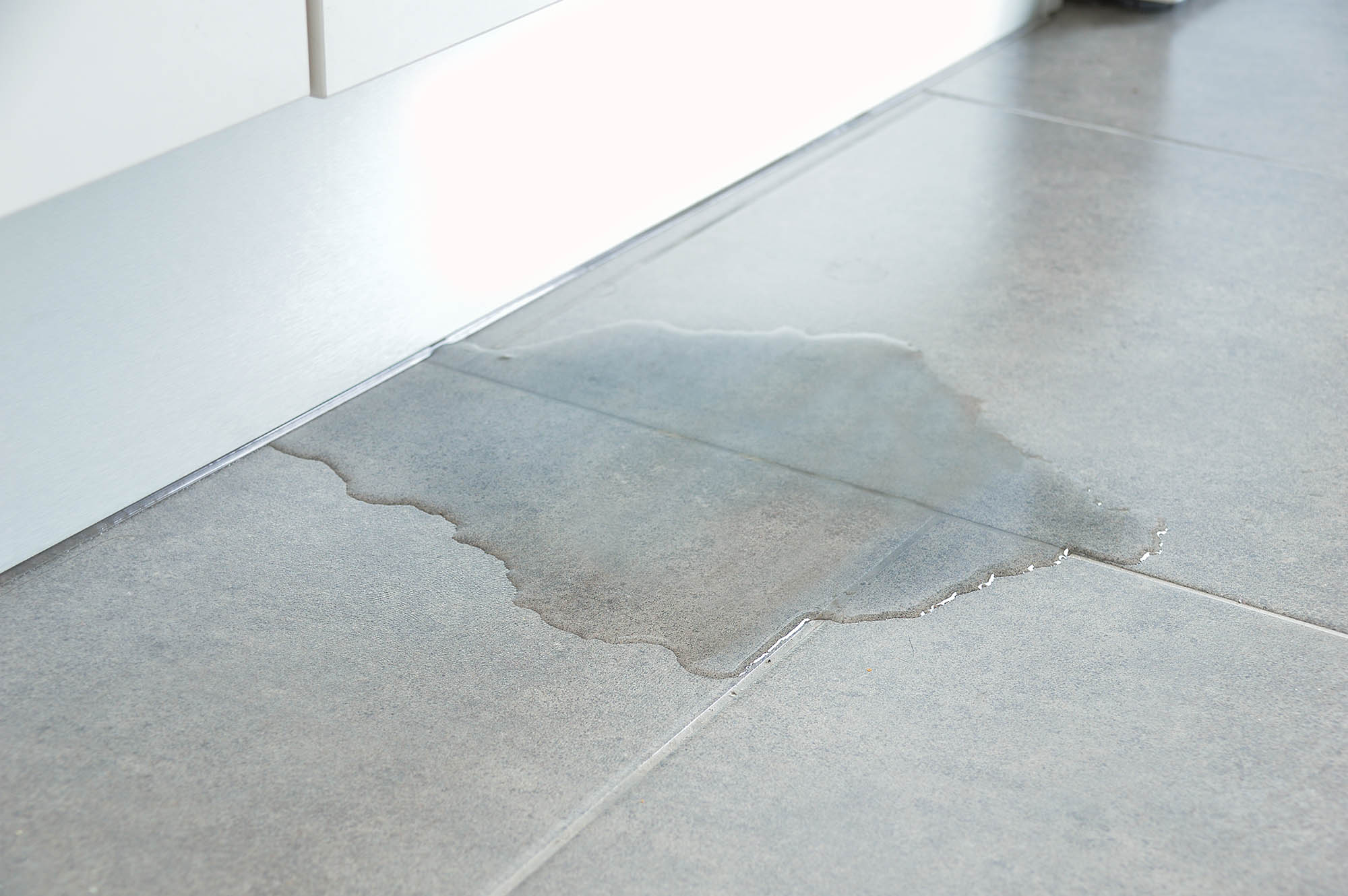
If you notice an unexpectedly warm area on a tile or hardwood floor, it could indicate a slab leak. Slab leaks occur when hot water supply lines running beneath your home's concrete foundation develop cracks or holes. The leaking hot water heats the concrete and the flooring above it, creating noticeable warm spots.
Slab leaks are particularly common in older Metro Atlanta homes with copper piping, which can corrode over time. Left unaddressed, slab leaks can erode the soil beneath your foundation and lead to serious structural problems. Signs to watch for include:
- Warm or damp patches on floors, especially on concrete slab foundations
- Flooring that is warping, buckling, or developing soft spots
- Hot water heater running more frequently than usual
- Reduced hot water pressure throughout the house
Sound of Running Water When Nothing Is On
Hearing the faint sound of running or dripping water when all faucets and appliances are off is a telltale sign of a hidden leak. This sound may be coming from inside walls, beneath floors, or from supply lines in your crawl space. It's easiest to detect during quiet periods, such as late at night.
Don't dismiss this sound or assume it's "normal." Even a faint trickle can indicate a leak that's actively causing damage. If you can hear it, the leak is likely significant enough to warrant immediate attention.
Cracks in Foundation or Walls
While small hairline cracks in a home's foundation or walls can be normal settling, new or expanding cracks may be a sign that a hidden water leak is undermining your home's structural integrity. Water that seeps into the soil beneath or around your foundation can cause it to shift unevenly, resulting in visible cracking.
Pay close attention to cracks that appear suddenly, grow over time, or are accompanied by other leak symptoms on this list. Diagonal cracks running from window or door frames are especially concerning, as they often indicate foundation movement caused by water erosion.
How Professional Leak Detection Works
Modern leak detection has come a long way from the days of tearing open walls and digging up yards to find a leak. At Plumb-All, we use advanced, non-invasive methods to pinpoint the exact location of hidden leaks without causing unnecessary damage to your home.
Non-Invasive Detection Methods
- Acoustic listening devices — Sensitive microphones amplify the sound of water escaping from pipes, allowing technicians to locate leaks behind walls and under slabs
- Thermal imaging cameras — Infrared technology reveals temperature differences caused by moisture, making hidden leaks visible even through walls and flooring
- Pressure testing — By isolating sections of your plumbing system and monitoring pressure changes, we can determine exactly which line is leaking
- Video pipe inspection — Miniature cameras inserted into drain and supply lines provide a real-time view of pipe conditions and leak locations
These methods allow us to locate leaks with precision, meaning repairs can be targeted and minimally disruptive. In most cases, we can identify the problem and begin fixing it in a single visit.
Why Fast Action Matters
The longer a hidden leak goes unaddressed, the worse the damage becomes — and the more expensive the repair. Here's what can happen when leaks are left unchecked:
- Structural damage — Prolonged water exposure weakens wooden framing, subflooring, and drywall, potentially compromising your home's structural integrity
- Mold and health risks — Mold growth from hidden moisture can trigger respiratory problems, allergies, and other health issues for your family
- Pest infestations — Damp environments attract termites, carpenter ants, and other moisture-loving pests
- Escalating costs — What starts as a simple pipe repair can turn into foundation work, mold remediation, and full-scale water damage restoration
- Wasted water and money — A hidden leak can waste thousands of gallons of water, driving up your utility bills month after month
Pro Tip: If you suspect a leak but aren't sure, don't wait for visible damage to confirm it. Early detection almost always means simpler, less expensive repairs. It's far better to call for an inspection and find nothing than to ignore the signs and face a major restoration project.
At Plumb-All, we've helped homeowners across Metro Atlanta catch hidden leaks before they turned into disasters. Whether you've noticed a spike in your water bill, a musty smell you can't explain, or warm spots on your floor, our experienced technicians have the tools and expertise to find the problem and fix it fast.
Think you might have a hidden leak? Schedule professional leak detection today.