
How Plumbing Affects Your Home's Value
When homeowners think about increasing their property value, they typically focus on kitchen renovations, curb appeal, and fresh paint. While those improvements certainly matter, your home's plumbing system plays a far bigger role in its value than most people realize. Plumbing is one of the first things home inspectors evaluate, and plumbing problems are among the most common reasons deals fall through or buyers demand significant price reductions.
Whether you're preparing to sell your home or simply want to protect your investment, understanding how plumbing affects your property value — and which upgrades deliver the best return — can help you make smart decisions about where to spend your improvement dollars.
Why Buyers Care About Plumbing
Plumbing problems are expensive to fix, disruptive to daily life, and can cause extensive secondary damage to floors, walls, ceilings, and foundations. Savvy buyers and their inspectors know this, which is why plumbing issues are taken so seriously during the home-buying process. A home with outdated, damaged, or poorly maintained plumbing is a red flag that can drive buyers away or lead to aggressive price negotiations.
On the other hand, a home with a well-maintained, modern plumbing system signals to buyers that the property has been cared for. Updated plumbing reduces the buyer's perceived risk of unexpected repairs and can be a key differentiator in a competitive market.
Plumbing Upgrades That Increase Home Value
Not all plumbing improvements deliver the same return on investment. Some upgrades are highly visible and appeal directly to buyers, while others work behind the scenes to prevent problems and pass inspection. Here are the plumbing upgrades that tend to have the greatest impact on home value.
Replacing Old Pipe Materials
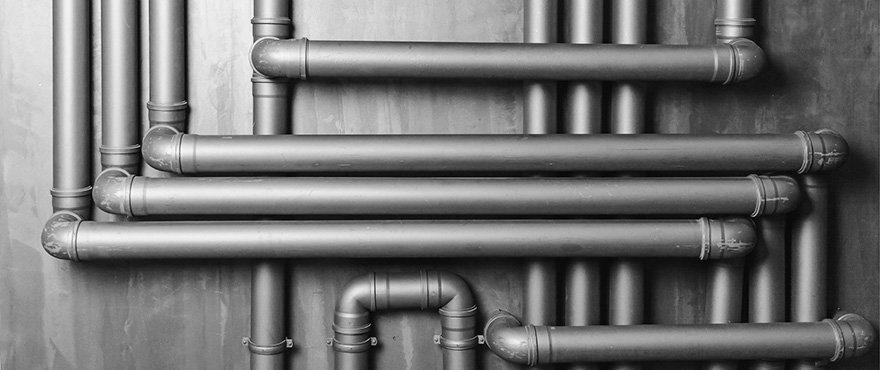
If your home has galvanized steel, lead, or polybutylene pipes, replacing them is one of the most impactful plumbing upgrades you can make. Galvanized pipes corrode from the inside, restricting water flow and eventually failing. Lead pipes pose health concerns. Polybutylene pipes, common in homes built between the 1970s and 1990s, are prone to brittle failure and are considered a major red flag by home inspectors and insurance companies.
Repiping with modern copper or PEX tubing eliminates these concerns and can significantly increase your home's value. While repiping is a major investment, it's one that buyers notice and appreciate — and one that can prevent insurance complications for the new owner.
Upgrading the Water Heater
A new or recently updated water heater is a selling point. Buyers don't want to move in knowing they'll need to replace the water heater within a year or two. If your water heater is more than 10 years old, upgrading to a new high-efficiency model — or even a tankless water heater — before listing your home can make it more attractive to buyers and justify a higher asking price.
Modernizing Kitchen and Bathroom Fixtures
Updated faucets, showerheads, and toilets make an immediate visual impression on buyers. Modern fixtures also tend to be more water-efficient, which appeals to environmentally conscious buyers and those looking to keep utility costs low. You don't need to install the most expensive fixtures on the market — clean, modern, and functional makes a strong impression.
Adding or Updating a Bathroom
Adding a bathroom — especially a half bath on a floor that doesn't have one — consistently delivers one of the highest returns on investment of any home improvement project. Even updating an existing bathroom with modern plumbing fixtures, new supply lines, and proper drainage can significantly boost your home's appeal and value.
Sewer Line Repair or Replacement
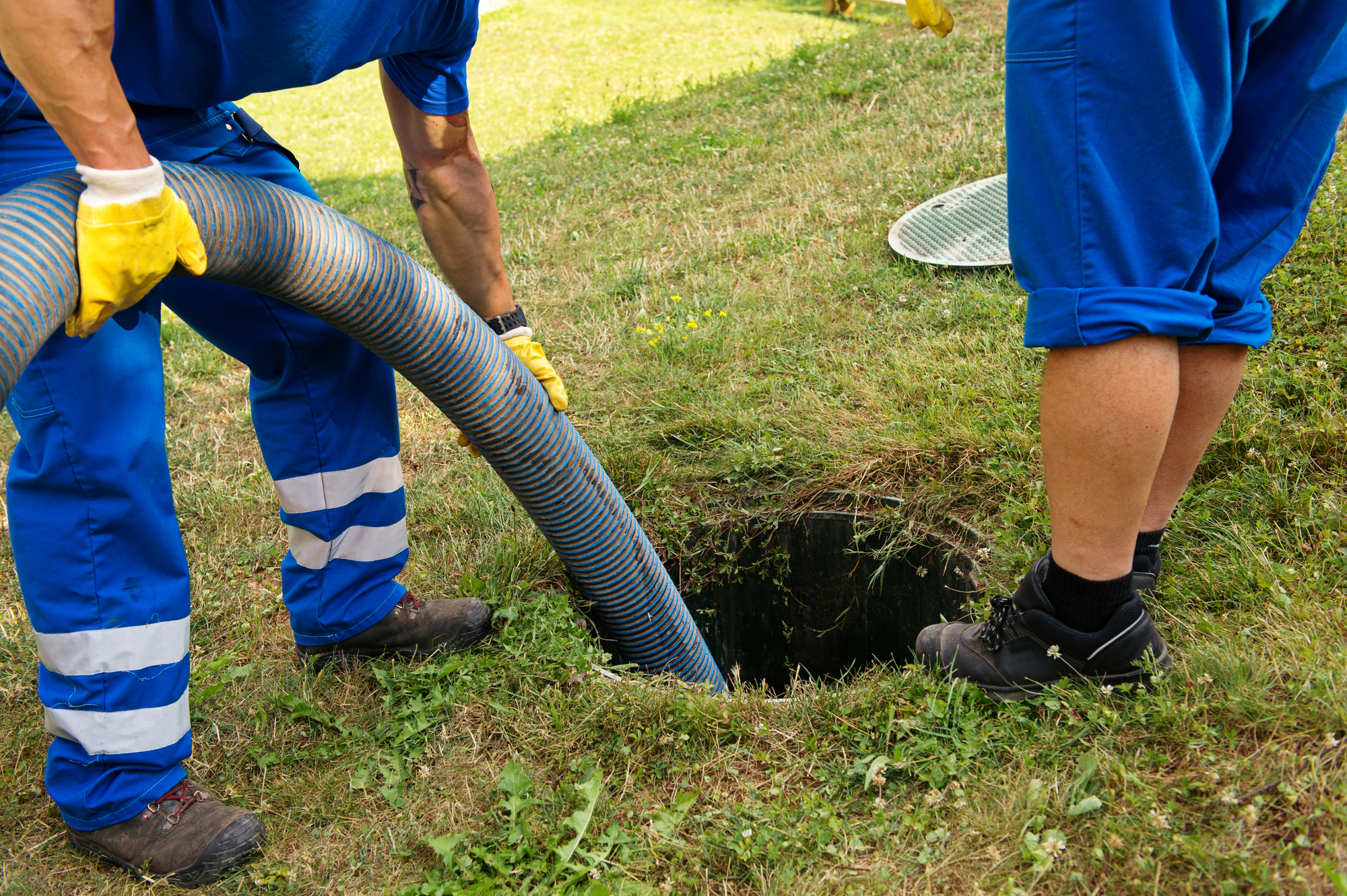
A damaged sewer line is one of the most expensive problems a new homeowner can face. If your sewer line has been inspected and is in good condition, that's a valuable selling point. If it needs repair, addressing it before listing protects you from buyer negotiations and demonstrates transparency. Many sellers choose to have a sewer scope inspection done proactively so they can present a clean report to potential buyers.
What Home Inspectors Look For
During a home inspection, the plumbing system receives thorough scrutiny. Understanding what inspectors evaluate can help you address potential issues before they become deal-breakers.
- Pipe material and condition: Inspectors identify the type of pipes used throughout the home and look for signs of corrosion, leaks, and deterioration
- Water pressure: Low water pressure can indicate corroded pipes, undersized supply lines, or municipal supply issues
- Drainage function: Every sink, tub, shower, and toilet is tested for proper drainage speed and function
- Water heater age and condition: Inspectors note the water heater's age, check for corrosion or leaks, and verify that safety features are working properly
- Visible leaks: Any active drips or moisture around pipes, valves, fixtures, or the water heater are flagged
- Shut-off valves: Inspectors check that individual fixture shut-offs and the main shut-off valve are present and functional
- Sewer and drain condition: Many buyers now request a sewer scope inspection, especially for older homes, to check for root intrusion, cracks, or bellies in the sewer line
Plumbing Red Flags That Reduce Home Value
Just as good plumbing adds value, plumbing problems can significantly reduce what buyers are willing to pay — or scare them off entirely. The most common plumbing red flags include:
- Polybutylene or galvanized steel pipes that haven't been replaced
- Evidence of water damage on ceilings, walls, or floors
- An aging water heater showing signs of rust or leaks
- Low water pressure throughout the house
- Slow drains or recurring clogs that suggest sewer line problems
- Unpermitted plumbing work or DIY modifications that don't meet code
- Missing or non-functional shut-off valves
- Sewage odors inside or outside the home
Addressing these issues before listing your home is almost always worth the investment. Buyers will either discover these problems during inspection and demand concessions, or they'll walk away altogether. Proactive plumbing repair puts you in a stronger negotiating position and helps your home sell faster.
Getting the Best Return on Your Plumbing Investment
When it comes to ROI, focus on plumbing improvements that solve visible problems, prevent inspection failures, and appeal to the widest range of buyers. Fixing active leaks, replacing outdated pipes, upgrading the water heater, and ensuring all fixtures function properly are the highest-priority items. Cosmetic fixture upgrades are the cherry on top — they're relatively inexpensive but make a strong impression.
If you're planning to sell, schedule a pre-listing plumbing inspection to identify any issues that could come up during the buyer's inspection. Addressing problems on your own terms — rather than in the high-pressure environment of a pending sale — gives you more control over costs and timelines. Our team can help with everything from inspections and repairs to new plumbing installations that add value to your home.
Pro Tip: Keep records of all plumbing maintenance and upgrades you've done. Providing buyers with documentation of a well-maintained plumbing system — including receipts for water heater replacement, repiping, or sewer line repairs — builds confidence and can help justify your asking price.
Want to boost your home's value with plumbing upgrades? We can help!