
How to Choose the Right Toilet for Your Home
A toilet is one of the most used fixtures in any home, yet most people don't give much thought to choosing one until their current toilet breaks down or they're remodeling a bathroom. With dozens of styles, flushing technologies, and features available on the market today, selecting the right toilet can feel overwhelming. But making an informed choice matters. The right toilet will provide reliable performance, conserve water, fit your bathroom comfortably, and last for decades.
In this guide, we'll break down everything you need to know to choose the perfect toilet for your home, from basic types and shapes to advanced features and water efficiency ratings.
Types of Toilets
Two-Piece Toilets
The two-piece toilet is the most common and traditional design. It consists of a separate tank and bowl that are bolted together during installation. Two-piece toilets are widely available, come in many styles, and are generally the most affordable option. Because the tank and bowl are separate, individual pieces can be replaced if damaged. However, the seam between the tank and bowl can be harder to clean.
One-Piece Toilets
One-piece toilets integrate the tank and bowl into a single unit, creating a sleek, seamless look. They're easier to clean because there's no gap between the tank and bowl where grime can accumulate. One-piece toilets tend to be more compact and are a popular choice for modern bathrooms. They typically cost more than two-piece models and can be heavier, which may make installation slightly more challenging.
Wall-Mounted Toilets
Wall-mounted toilets are attached to the wall with the tank concealed inside the wall cavity. This design saves floor space and makes cleaning the floor underneath easy. The seat height is also adjustable during installation. However, wall-mounted toilets require a thicker wall to house the tank and carrier system, making them more expensive to install and repair. They're an excellent choice for small bathrooms or for homeowners who want a minimalist, contemporary look.
Smart Toilets
Smart toilets are the premium option, offering features like heated seats, automatic lids, built-in bidets, air dryers, deodorizers, night lights, and self-cleaning functions. Some models even include Bluetooth speakers and automatic flushing. While smart toilets carry a higher price tag, they offer unmatched comfort and hygiene. They're becoming increasingly popular as prices come down and more homeowners discover the benefits.
Bowl Shape: Round vs. Elongated
Toilet bowls come in two basic shapes, and the choice between them affects both comfort and how much space the toilet occupies:
- Round bowls are more compact, extending about 25 to 28 inches from the wall. They're ideal for small bathrooms, powder rooms, or any space where every inch counts. Round bowls are also typically less expensive.
- Elongated bowls are oval-shaped and extend about 29 to 31 inches from the wall. Most adults find elongated bowls more comfortable because they provide additional seating area. They're the most popular choice for master bathrooms and larger spaces.
Seat Height: Standard vs. Comfort Height
Standard toilets have a seat height of about 15 inches from the floor. Comfort height toilets (sometimes called "right height" or "ADA compliant" toilets) sit at 17 to 19 inches, which is closer to the height of a standard chair. Comfort height toilets are easier for adults, especially seniors and those with mobility issues, to sit down on and stand up from. However, standard height toilets may be more appropriate for households with small children.
Flushing Technology
The flushing mechanism is arguably the most important factor in a toilet's performance. Here are the main types:
Gravity-Fed Flush
This is the most common flushing system. It uses the weight of the water in the tank to create flushing pressure. Gravity-fed systems are simple, quiet, reliable, and easy to repair. They work well for most residential applications.
Pressure-Assisted Flush
Pressure-assisted toilets use compressed air to force water into the bowl with greater power. They're much more effective at clearing waste in a single flush and are less prone to clogging. However, they're louder than gravity-fed models and can be more expensive to repair.
Dual-Flush
Dual-flush toilets offer two flushing options: a lower-volume flush for liquid waste (typically 0.8 to 1.1 gallons) and a full flush for solid waste (1.28 to 1.6 gallons). This system gives you the flexibility to conserve water when a full flush isn't needed, potentially saving thousands of gallons per year.
Water Efficiency
Water efficiency is an important consideration for both environmental and financial reasons. Toilets are the largest source of water usage in most homes, accounting for nearly 30 percent of indoor water consumption. Here's how toilet water usage has evolved:
- Older toilets (pre-1994): Used 3.5 to 7 gallons per flush
- Federal standard (1994-present): Maximum of 1.6 gallons per flush
- WaterSense certified: 1.28 gallons per flush or less (20% less than the federal standard)
- High-efficiency toilets (HET): 1.28 gallons per flush
- Ultra-high-efficiency toilets (UHET): 1.0 gallons per flush or less
We strongly recommend choosing a WaterSense certified toilet. The reduced water usage can save a family of four approximately 16,000 gallons of water per year compared to an older 3.5 gallon-per-flush model. That translates to noticeable savings on your water bill.
Measuring for a New Toilet: The Rough-In
Before purchasing a new toilet, you need to measure the "rough-in" distance, which is the distance from the wall behind the toilet to the center of the floor drain. The standard rough-in is 12 inches, but older homes may have 10-inch or 14-inch rough-ins. Choosing a toilet that matches your rough-in is essential for a proper fit. If you're unsure about measuring, a professional from our toilet installation team can measure for you and ensure the right fit.
Additional Features to Consider
- Soft-close lid: Prevents the lid from slamming shut, reducing noise and wear
- Glazed trapway: A fully glazed interior passageway helps prevent waste from sticking and reduces clogging
- Skirted design: A smooth, concealed trapway at the base makes cleaning much easier
- Quick-release seat: Allows you to remove the seat easily for thorough cleaning
- Antimicrobial surfaces: Some toilets feature special coatings that inhibit bacterial growth
Professional Installation Matters
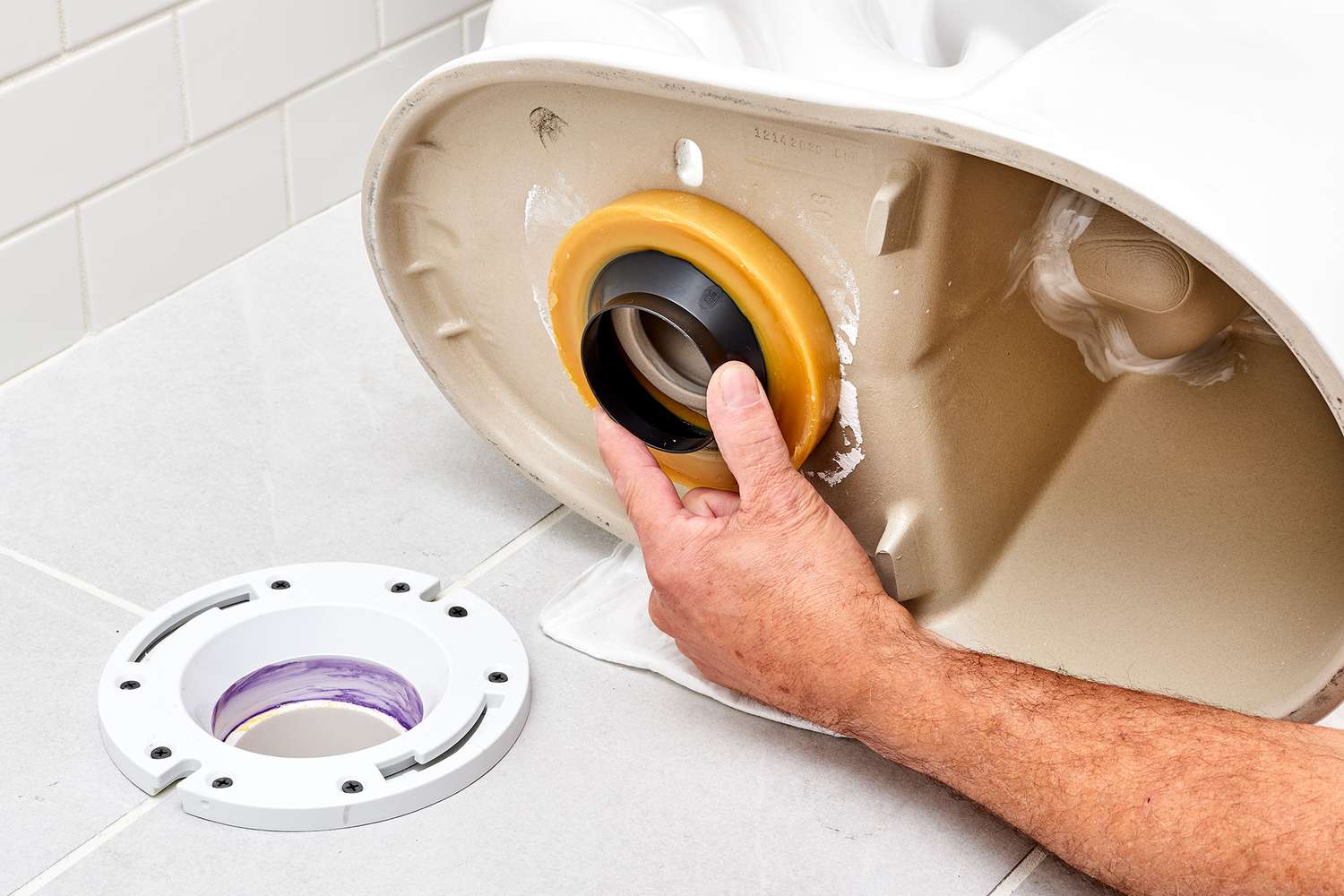
While some homeowners attempt to install a toilet themselves, professional installation ensures the job is done right the first time. A poorly installed toilet can leak at the base, rock back and forth, or develop wax seal failures that lead to water damage and unpleasant odors. Our experienced bathroom plumbing team will handle the complete installation, including removing your old toilet, inspecting the flange, and ensuring a watertight seal.
Pro Tip: When shopping for a new toilet, look for the MaP (Maximum Performance) rating. This independent testing program rates how well toilets handle solid waste on a scale of 0 to 1,000 grams. A score of 500 grams or higher is considered good for residential use, and anything above 800 grams is excellent.
Ready for a new toilet? We'll help you choose and install the perfect one!