
How to Deal With a Backed-Up Sewer Line
Few plumbing problems are as stressful and unpleasant as a backed-up sewer line. When your main sewer line is blocked, wastewater has nowhere to go but back into your home through the lowest drains, typically in the basement, ground floor bathroom, or laundry room. The result is a messy, unsanitary situation that requires prompt action to minimize damage and health risks.
Understanding what causes sewer backups, how to recognize them early, and what steps to take when one occurs can make the difference between a manageable problem and a devastating one. Here's a comprehensive guide to dealing with a backed-up sewer line.
Recognizing the Signs of a Sewer Backup
A sewer line backup rarely happens without warning. In most cases, there are early signs that the main line is developing a blockage. Catching these warning signs early gives you the opportunity to address the problem before raw sewage enters your home.
- Multiple slow drains: When more than one drain in your home is running slowly at the same time, the problem is likely in the main sewer line rather than individual fixture drains.
- Gurgling sounds: Air trapped by a blockage creates gurgling or bubbling noises in your drains, toilets, or pipes. This is especially noticeable when running the washing machine or dishwasher.
- Water backing up in unexpected places: Flushing a toilet causes water to rise in the shower drain. Running the washing machine causes water to appear in the basement floor drain. These cross-connections indicate a main line problem.
- Sewage odors: Foul smells coming from drains, especially floor drains, suggest that wastewater is not flowing away from your home properly.
- Toilet water level fluctuations: If toilet water levels rise and fall on their own without being flushed, air pressure changes from a blocked sewer line are likely the cause.
- Wet spots in the yard: Soggy areas or unusually lush patches of grass above your sewer line can indicate a break or blockage that's allowing sewage to saturate the soil.
Immediate Steps to Take
If you suspect or confirm a sewer line backup, take these steps immediately to protect your home and your family's health:
Stop Using Water
The moment you notice signs of a backup, stop all water usage in your home. Don't flush toilets, run faucets, use the dishwasher, or start laundry loads. Every gallon of water that enters your drains has to go somewhere, and if the sewer line is blocked, that water will back up into your home. Reducing water input limits the amount of sewage that enters your living space.
Turn Off the Water Supply If Necessary
If the backup is severe and water is actively flowing into your home, shut off the main water supply. The shut-off valve is typically located where the water main enters your house, often in the basement, crawl space, or near the front of the house. Turning this off prevents any additional water from entering the plumbing system.
Protect Your Health
Sewage contains dangerous bacteria, viruses, and parasites. Do not wade through or touch sewage water without protective gear. Keep children and pets away from affected areas. Open windows for ventilation if possible. If the contamination is significant, consider leaving the home until the cleanup is complete. Sewage exposure can cause serious illness, so take contamination seriously.
Call for Professional Help
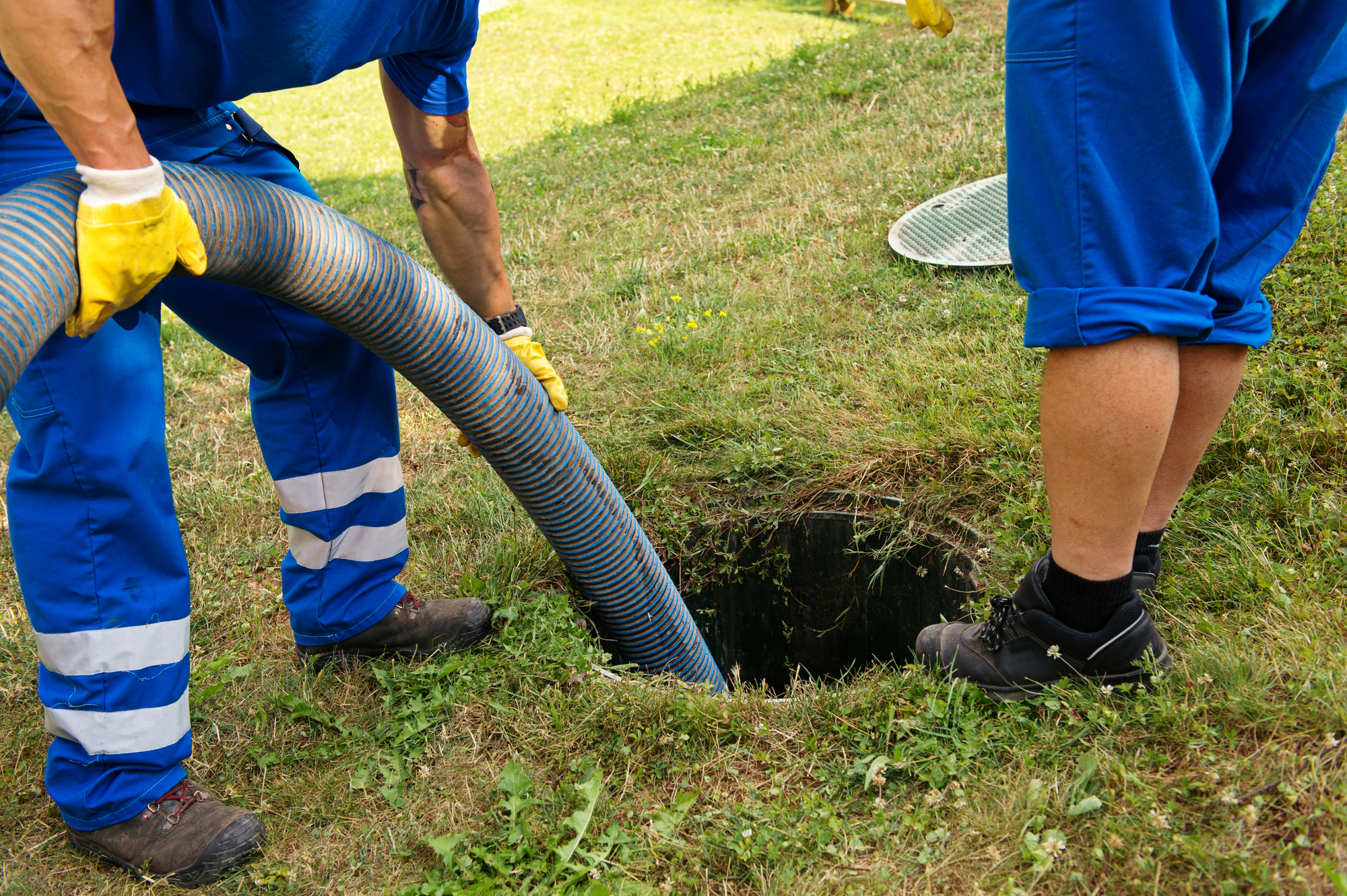
A sewer line backup is not a DIY project. Contact a professional plumber who handles plumbing emergencies immediately. Explain the symptoms and the extent of the backup so they can arrive prepared with the right equipment. Most plumbing emergencies receive same-day or next-day service, and many companies offer 24/7 emergency response for sewer backups.
Document the Damage
Before any cleanup begins, photograph and video the damage for your insurance company. Document the water levels, affected areas, damaged belongings, and any visible plumbing issues. This documentation is essential for filing a successful insurance claim.
Common Causes of Sewer Line Backups
Tree Root Intrusion
Tree roots are the most common cause of sewer line blockages in residential areas. Roots are naturally attracted to the moisture and nutrients inside sewer pipes. They enter through tiny cracks or joints and grow inside the pipe, gradually blocking the flow. Over time, roots can completely fill the pipe or cause it to collapse. Properties with large, mature trees near the sewer line are especially vulnerable.
Grease and Debris Buildup
Grease, soap, hair, food waste, and other materials accumulate inside sewer lines over time, gradually narrowing the pipe and restricting flow. This buildup often occurs at bends and joints where flow naturally slows. Eventually, the accumulation reaches a point where the pipe can no longer handle normal wastewater volume, and a backup occurs.
Pipe Deterioration
Older homes may have sewer lines made of clay, cast iron, or Orangeburg (bituminous fiber) pipe. These materials deteriorate over decades, developing cracks, collapses, and offset joints that trap debris and restrict flow. Many homes in the Metro Atlanta area still have original sewer lines from the 1950s, 1960s, and 1970s that are reaching the end of their useful life.
Flushing the Wrong Items
"Flushable" wipes, feminine hygiene products, paper towels, cotton swabs, and other items don't break down like toilet paper and frequently contribute to sewer blockages. These items can snag on roots or rough spots inside the pipe and create a dam that catches additional debris.
Professional Solutions
Video Camera Inspection
The first step in resolving a sewer backup is identifying the cause and location of the blockage. A plumber inserts a waterproof camera into the sewer line, providing real-time video of the pipe's interior. This reveals roots, buildup, breaks, collapses, and other issues, allowing the plumber to recommend the most effective solution.
Mechanical Drain Cleaning
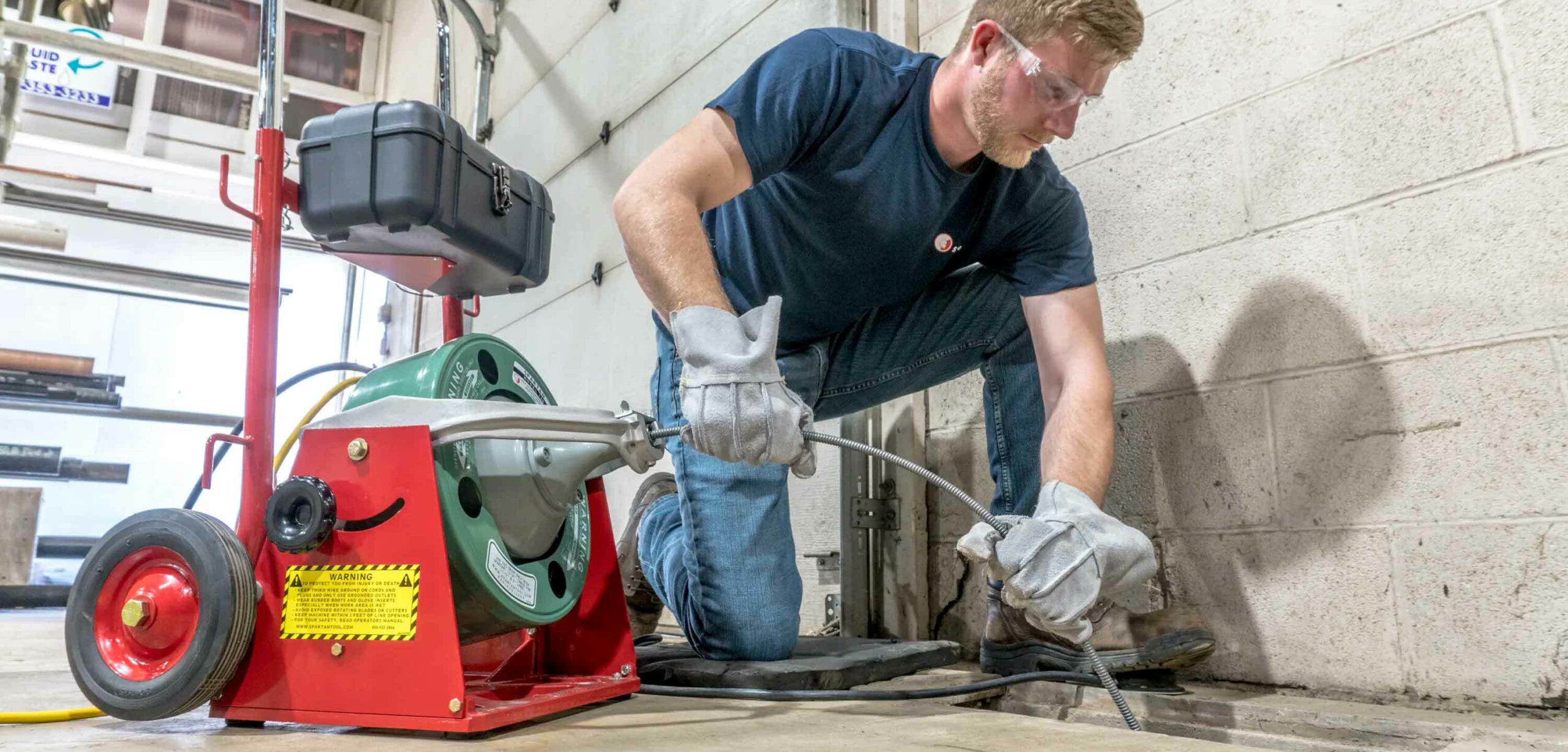
For many blockages, a professional drain cleaning using a motorized auger or snake is the first line of treatment. The auger breaks through roots, grease, and debris, restoring flow through the pipe. This is effective for most soft blockages and moderate root intrusion.
Hydro Jetting
For severe buildup or stubborn blockages, hydro jetting uses high-pressure water (typically 3,000 to 4,000 PSI) to blast away grease, scale, roots, and debris from the inside of the pipe. Hydro jetting doesn't just punch a hole through the blockage; it cleans the entire pipe wall, restoring it to near-original condition. This is the most thorough cleaning method available and is especially effective for grease-related blockages.
Pipe Repair or Replacement
If the camera inspection reveals a broken, collapsed, or severely deteriorated pipe, cleaning alone won't solve the problem. Options include trenchless pipe lining (inserting a resin-coated liner that hardens into a new pipe within the old one), pipe bursting (pulling a new pipe through the old one while breaking the old pipe apart), or traditional excavation and replacement. Your plumber will recommend the best approach based on the condition and location of the damage.
Preventing Future Backups
- Schedule professional drain cleaning annually or bi-annually
- Never pour grease or cooking oil down any drain
- Only flush toilet paper; avoid "flushable" wipes
- Install drain screens to catch hair and debris
- If you have large trees near the sewer line, schedule root treatment annually
- Consider a backwater prevention valve to stop sewage from flowing back into your home
- Have an older sewer line inspected with a camera every few years to monitor its condition
Pro Tip: Know where your sewer cleanout is located before an emergency happens. The cleanout is a capped pipe, usually found in the yard near the house or in the basement, that provides direct access to the main sewer line. Having this accessible and clearly marked saves valuable time when a plumber arrives to clear a backup.
Dealing with a sewer backup? We're here to help 24/7!