
How to Prevent Clogged Drains
Clogged drains are one of the most common and frustrating plumbing problems homeowners deal with. Whether it's a slow-draining kitchen sink, a backed-up shower, or a toilet that won't flush properly, drain clogs can disrupt your daily routine and lead to expensive repairs if left unaddressed. The good news is that most drain clogs are entirely preventable. With a few simple habits and some basic maintenance, you can keep your drains flowing freely for years to come.
In this guide, we'll walk you through the most effective strategies for preventing clogged drains in every area of your home. From the kitchen to the bathroom, these tips will help you avoid the hassle and expense of dealing with stubborn blockages.
Understanding What Causes Drain Clogs
Before you can effectively prevent clogs, it helps to understand what causes them. Different drains in your home are susceptible to different types of blockages, but the most common culprits include:
- Hair: This is the number one cause of bathroom drain clogs. Hair binds with soap scum and grease to form tough blockages that slowly restrict water flow.
- Grease and cooking oil: When poured down the kitchen sink, grease cools and solidifies inside your pipes, gradually narrowing the passageway until water can't flow through.
- Food particles: Even with a garbage disposal, certain foods like rice, pasta, coffee grounds, and eggshells can accumulate and cause blockages.
- Soap residue: Traditional bar soaps contain fats that combine with minerals in water to form a hard residue known as soap scum, which coats the inside of pipes.
- Foreign objects: Small items like jewelry, cotton swabs, dental floss, and children's toys can accidentally end up in drains and cause immediate or gradual blockages.
- Mineral buildup: In areas with hard water, dissolved minerals can accumulate inside pipes over time, reducing flow and catching other debris.
Kitchen Drain Prevention Tips
The kitchen sink handles a lot of abuse. Between cooking, cleaning, and food prep, it's no surprise that kitchen drains are prone to clogs. Here's how to keep yours clear:
Never Pour Grease Down the Drain
This is the single most important rule for kitchen drain maintenance. Grease, fats, and cooking oils may be liquid when hot, but they solidify as they cool inside your pipes. Over time, these deposits build up and create stubborn blockages that are difficult to remove. Instead, pour used grease into a disposable container, let it cool and solidify, and throw it in the trash. You can also wipe greasy pans with a paper towel before washing them.
Use a Sink Strainer
A simple mesh sink strainer is one of the most effective and inexpensive tools for preventing drain clogs. It catches food particles, debris, and other items before they enter your pipes. Make sure to clean the strainer regularly and dispose of the collected debris in the trash.
Run Hot Water After Each Use
After using the kitchen sink, run hot water for 15 to 30 seconds. This helps flush any remaining grease or food particles through the pipes before they have a chance to settle and accumulate. For an extra cleaning boost, pour a small amount of dish soap down the drain while running hot water once a week.
Bathroom Drain Prevention Tips
Bathroom drains face their own unique challenges, primarily from hair and soap buildup. Here's how to keep your bathroom drains in top shape:
Install Hair Catchers
Hair catchers or drain covers are essential for shower and bathtub drains. These inexpensive devices sit over or inside the drain opening and trap hair before it enters the pipes. They're available in a variety of styles, from flat silicone covers to small basket-style inserts. Clean them after every shower for best results.
Brush Hair Before Showering
A quick brush before stepping into the shower removes loose hairs that would otherwise end up in the drain. This simple habit can dramatically reduce the amount of hair that enters your plumbing system.
Switch to Liquid Soap
Bar soap contributes to soap scum buildup inside your pipes. Liquid soap and body wash produce less residue and are less likely to contribute to clogs. If you prefer bar soap, make sure to flush the drain with hot water regularly.
General Maintenance for All Drains
Beyond the specific tips for kitchens and bathrooms, there are several general maintenance practices that will help keep all the drains in your home flowing smoothly.
Flush Drains Weekly
Once a week, pour a pot of boiling water down each drain in your home. This helps dissolve soap scum, loosen grease deposits, and flush away debris that may be starting to accumulate. For a deeper clean, pour half a cup of baking soda followed by half a cup of white vinegar down the drain. Let it fizz for 15 minutes, then flush with boiling water.
Avoid Chemical Drain Cleaners
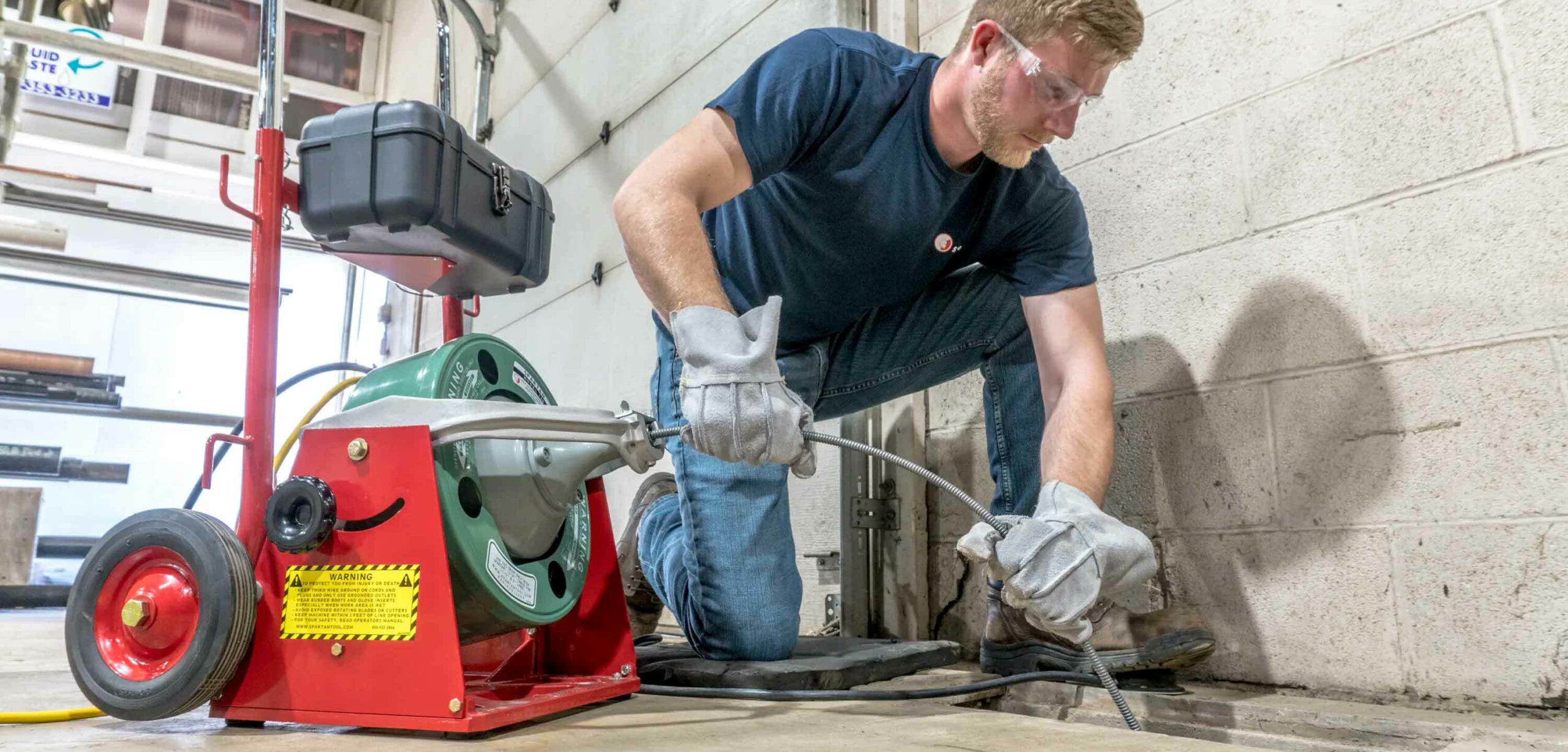
While it may be tempting to reach for a bottle of chemical drain cleaner when things start running slow, these products can actually do more harm than good. The harsh chemicals can corrode your pipes over time, especially if you have older plumbing. They also don't fully remove clogs in many cases, just punch a small hole through them that quickly closes back up. Instead, use a drain snake or call a professional for drain cleaning services.
Schedule Professional Drain Cleaning
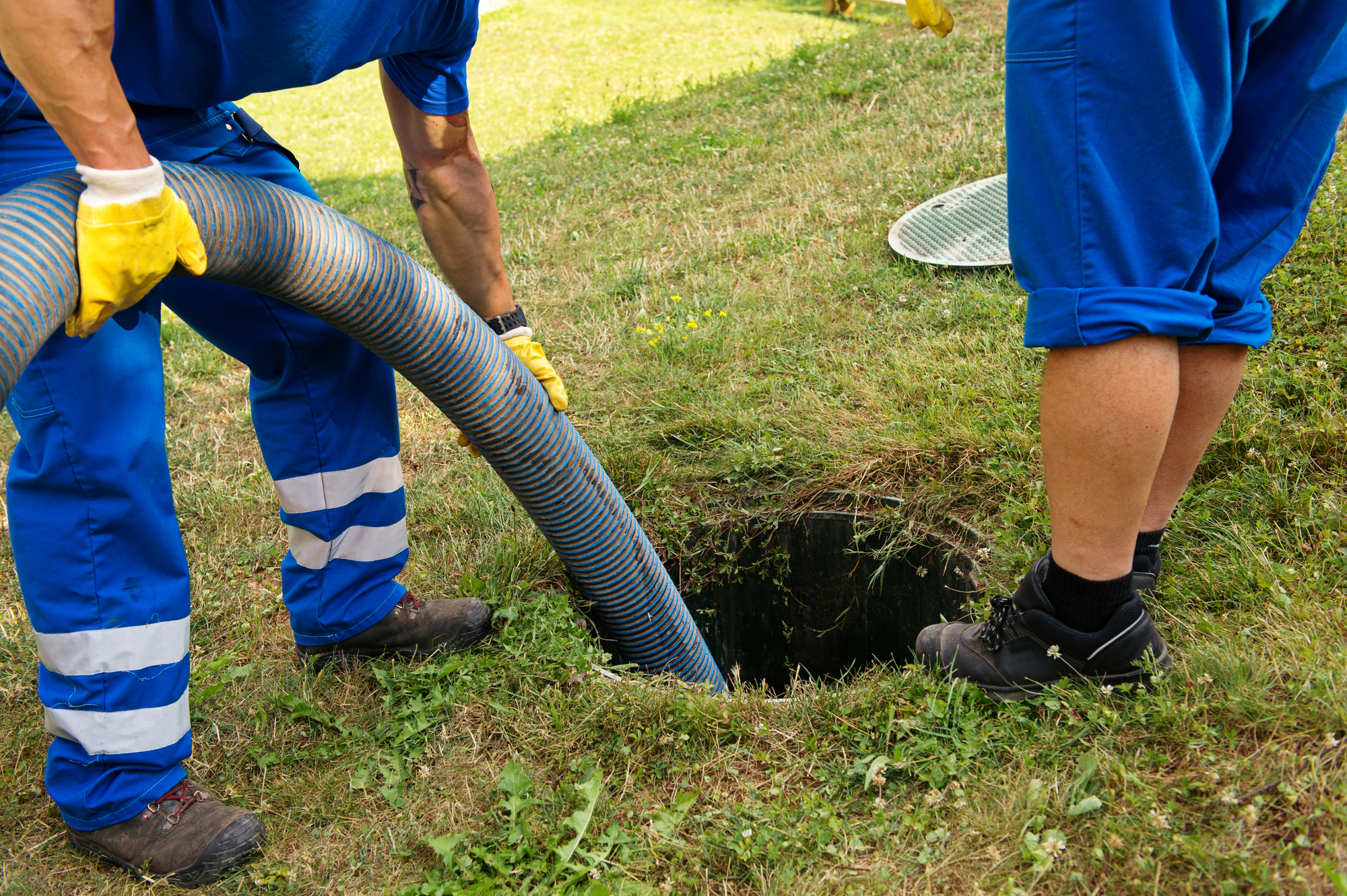
Even with the best prevention habits, buildup can still occur deep inside your pipes where home remedies can't reach. Professional hydro jetting services use high-pressure water to scour the inside of your pipes, removing years of accumulated grease, scale, and debris. We recommend scheduling a professional drain cleaning at least once every one to two years as preventive maintenance.
What NOT to Put Down Your Drains
Knowing what to keep out of your drains is just as important as knowing how to maintain them. Here's a quick reference list of items that should never go down any drain in your home:
- Cooking grease, oil, or fat
- Coffee grounds
- Eggshells
- Flour or starchy foods (pasta, rice, potato peels)
- Cotton balls, swabs, or pads
- Dental floss
- "Flushable" wipes (they don't break down like toilet paper)
- Paint, solvents, or chemicals
- Cat litter
- Medication
When to Call a Professional
Sometimes, despite your best efforts, clogs happen. If you notice any of the following signs, it's time to call a professional plumber before the problem gets worse:
- Multiple drains in your home are slow or clogged at the same time
- Water backs up in one fixture when you use another (for example, water comes up in the bathtub when you flush the toilet)
- You notice foul odors coming from your drains despite regular cleaning
- Home remedies and plunging don't resolve the issue
- You experience recurring clogs in the same drain
These symptoms can indicate a deeper problem in your main sewer line that requires professional diagnosis and treatment.
Pro Tip: Make it a habit to do a quick drain maintenance flush every Sunday evening. Pour boiling water down all your drains to keep them clear. This simple weekly routine can prevent the vast majority of household drain clogs before they ever start.
Dealing with a stubborn drain clog? We can help!