
How to Prevent Tree Roots From Damaging Your Sewer Line
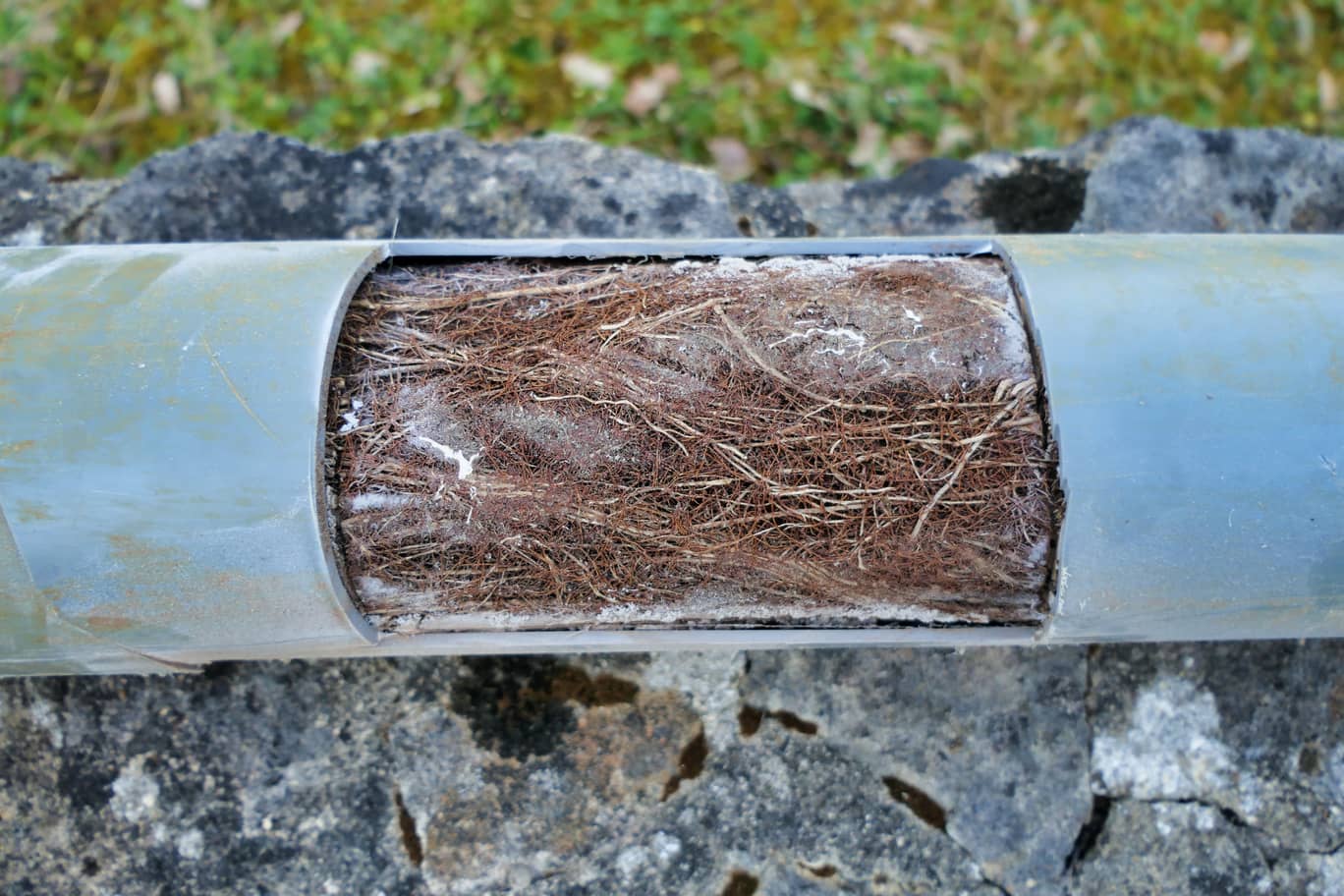
Trees add beauty, shade, and value to your property — but their root systems can be one of the biggest threats to your home's sewer line. Tree roots are naturally drawn to the moisture, nutrients, and oxygen found inside sewer pipes. Even tiny cracks or loose joints in your sewer line send out signals that roots can detect, and once they find a way in, they grow aggressively, eventually blocking the pipe entirely or causing it to collapse.
Sewer line repairs caused by root intrusion can cost thousands of dollars and disrupt your yard and landscaping. The good news is that with smart planning and regular maintenance, you can significantly reduce the risk of tree root damage to your plumbing.
Why Tree Roots Invade Sewer Lines
To understand prevention, it helps to know why roots target sewer pipes in the first place. Tree roots grow outward from the trunk in search of water and nutrients, and they can extend far beyond the visible canopy of the tree. A mature tree's root system can spread two to three times the diameter of its crown.
Sewer lines are an irresistible target because they contain everything roots need: a steady supply of water, organic nutrients, and dissolved oxygen. Roots enter through any available opening — tiny cracks from settling, corroded spots in older pipes, or gaps at joints where sections of pipe connect. Once inside, the warm, wet environment accelerates growth. A small root tendril can grow into a dense mass of roots that fills the entire pipe within a few years.
Smart Tree Placement
The most effective way to prevent root damage is to keep trees a safe distance from your sewer line in the first place. Before planting any new trees, you should know the exact location of your sewer line. Your local utility company can mark underground lines, or a plumber can locate and map your sewer line using a camera inspection.
As a general rule, large trees with aggressive root systems should be planted at least 20 to 30 feet from sewer lines. Medium-sized trees should be kept at least 10 to 15 feet away. Small ornamental trees with less aggressive roots can be planted somewhat closer, but a 10-foot minimum is still advisable.
When choosing trees for your yard, consider species that are known for less aggressive root systems. Some trees are particularly problematic for sewer lines:
- Avoid near sewer lines: Willows, silver maples, elm trees, poplar trees, and sycamores are known for aggressive, water-seeking roots that spread widely and rapidly.
- Safer options: Japanese maple, dogwood, redbud, crepe myrtle, and most fruit trees have less aggressive root systems and are generally safer near underground utilities.
Root Barriers
If you have existing trees near your sewer line that you don't want to remove, or if space constraints limit your planting options, physical root barriers can help redirect root growth away from your pipes. Root barriers are typically made of heavy-duty plastic, fiberglass, or metal sheets that are buried vertically in the ground between the tree and the sewer line.
Effective root barriers should extend at least 2 to 3 feet deep — deeper for large trees with aggressive roots. They should be installed in a continuous line without gaps that roots could exploit. While root barriers won't stop every root (some may grow under the barrier), they significantly reduce the volume of root growth that reaches your sewer line.
Root barriers are most effective when installed at the same time as a new tree. Retrofitting a barrier around an established tree is more difficult and expensive because existing roots must be cut, which can stress or damage the tree.
Chemical Root Treatments
Chemical root treatments can help prevent root growth inside your sewer line without harming the tree itself. The most common product is copper sulfate, which creates a poisoning zone around the inside of the pipe that discourages root growth. When flushed into the sewer line, copper sulfate crystals settle to the bottom of the pipe and slowly dissolve, creating a barrier that kills roots on contact without being absorbed into the tree's main root system.
Another option is foaming root killer products that expand inside the pipe to coat the entire interior surface, not just the bottom. These products typically contain a combination of herbicide and surfactant that kills existing small roots and inhibits new growth for several months.
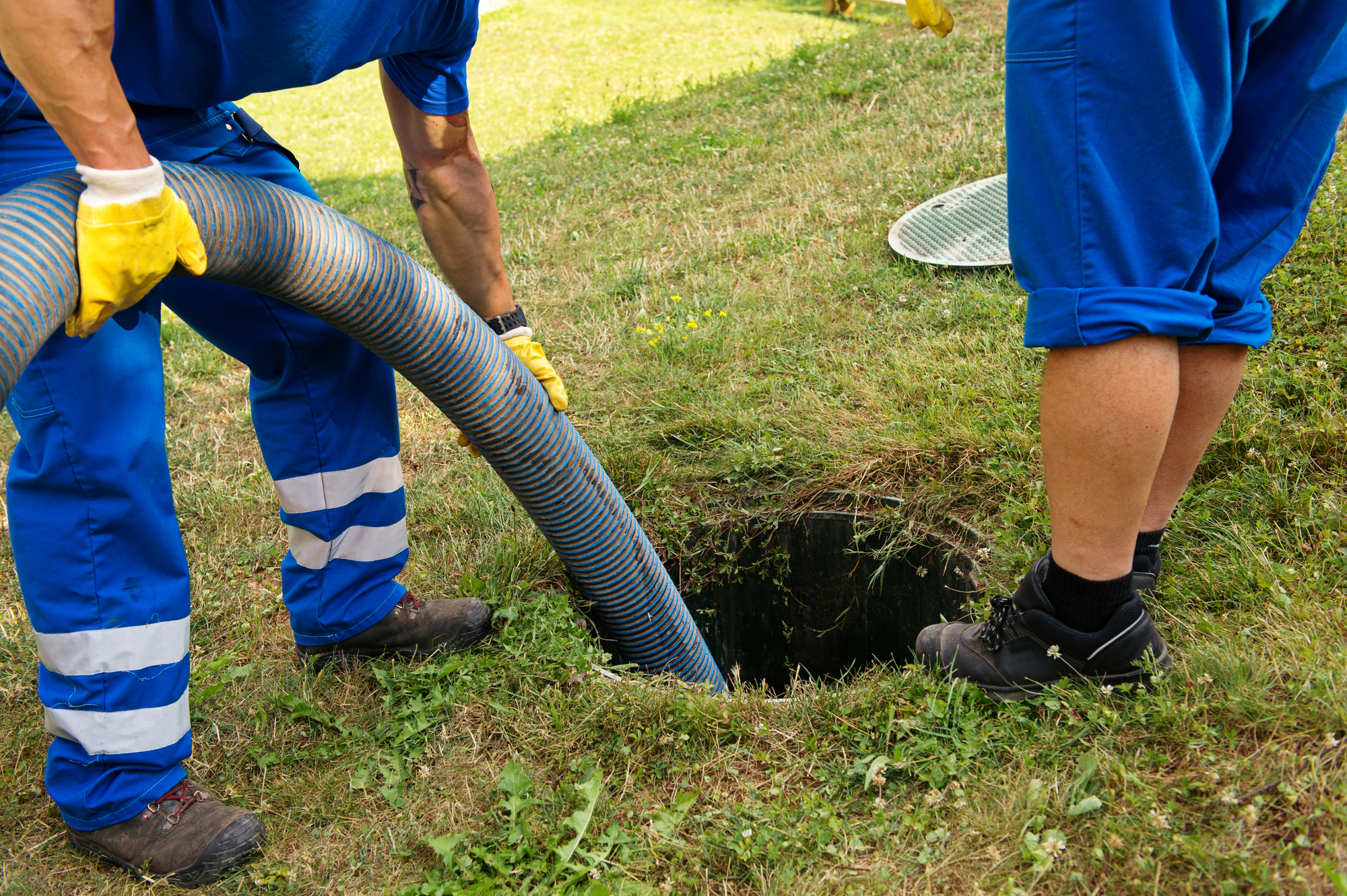
Chemical treatments work best as a preventive measure or for minor root intrusion. If roots have already caused a significant blockage, the blockage needs to be physically cleared first — through professional drain cleaning or hydro jetting — before chemical treatments can be effective.
Regular Inspections
Perhaps the most important preventive strategy is regular sewer line inspections, especially if you have mature trees anywhere on your property. A camera inspection allows a plumber to see the inside of your sewer line in real time, identifying root intrusion at its earliest stages — before it causes a backup or damages the pipe.
How often should you have your sewer line inspected? If you have large trees near the line, an annual inspection is a wise investment. If your trees are smaller or farther away, every two to three years may be sufficient. If a previous inspection revealed early-stage root intrusion, more frequent monitoring is recommended until the situation is resolved.
Warning Signs of Root Intrusion
Even with preventive measures in place, it's important to recognize the warning signs that roots may have already entered your sewer line:
- Slow drains: Multiple drains in your home draining slowly at the same time often indicates a main sewer line obstruction.
- Gurgling sounds: Bubbling or gurgling from toilets or drains when other fixtures are in use suggests a partial blockage in the sewer line.
- Sewage backups: The most obvious sign — sewage backing up into basement drains, tubs, or toilets means the sewer line is significantly obstructed.
- Lush patches in the yard: An unusually green, lush patch of grass above the sewer line may indicate a crack or leak that is fertilizing the soil.
- Sinkholes or soft spots: Depressions in your yard above the sewer line can indicate a pipe that has collapsed due to root damage.
Pro Tip: If you're buying a home with mature trees, include a sewer line camera inspection in your home inspection process. Root intrusion is one of the most expensive plumbing problems to fix, and knowing the condition of the sewer line before you buy can save you from a costly surprise.
Worried about tree roots in your sewer line? We can inspect and clear it.