
How to Protect Your Pipes From Freezing
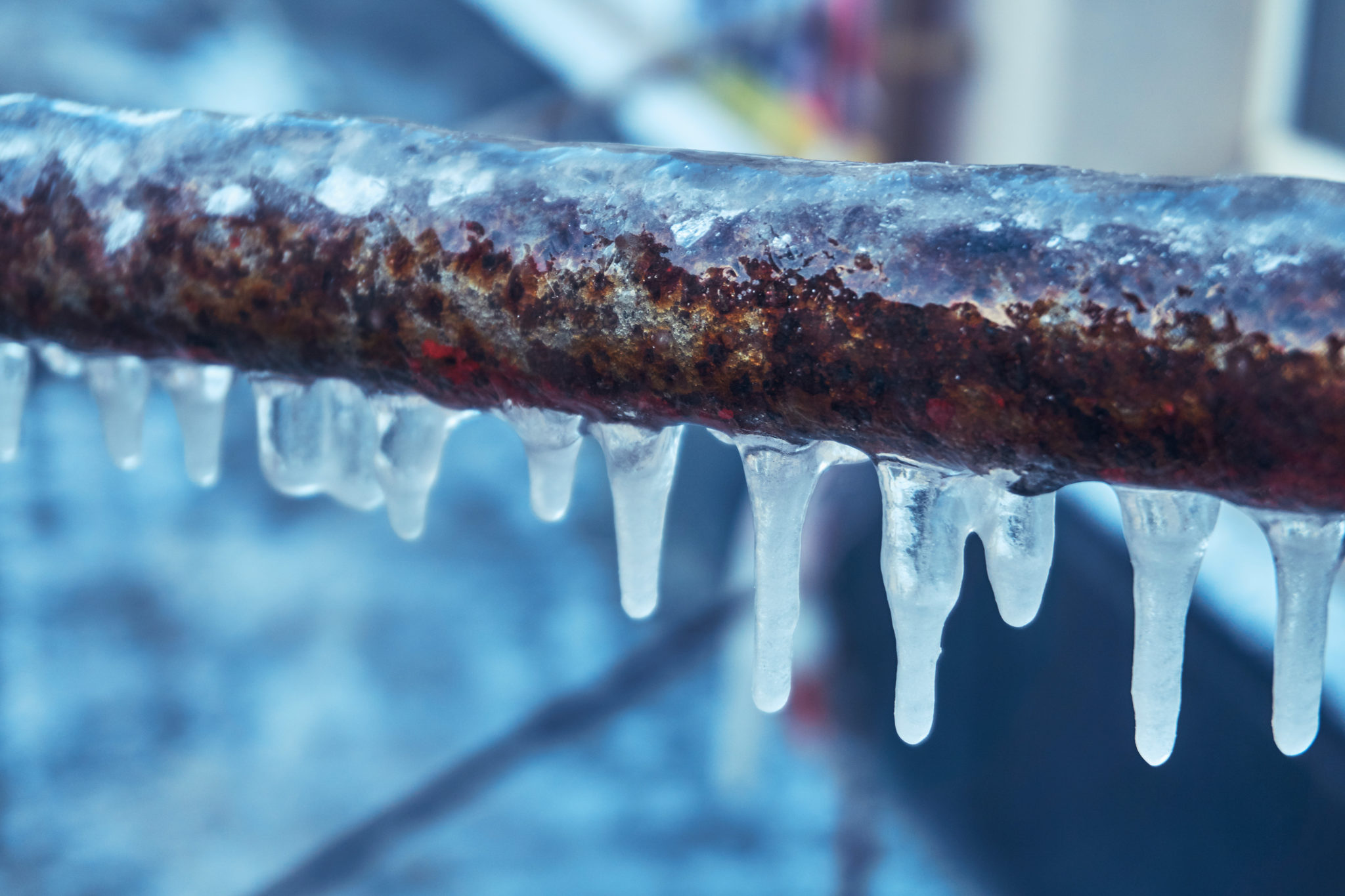
Frozen pipes are one of the most common and costly plumbing problems during the winter months. When water freezes inside a pipe, it expands with tremendous force, often enough to crack or burst even the strongest pipes. According to the Insurance Institute for Business and Home Safety, burst pipes from freezing are one of the most common causes of property damage during winter, with claims averaging tens of thousands of dollars per incident.
The good news is that frozen and burst pipes are almost entirely preventable. With proper preparation and a few simple precautions, you can protect your home's plumbing system from freeze damage all winter long. This guide covers everything from long-term prevention strategies to emergency steps if you discover your pipes have already frozen.
Understanding Which Pipes Are Most at Risk
Not all pipes in your home face the same level of freeze risk. Knowing which pipes are most vulnerable helps you focus your prevention efforts where they matter most:
- Pipes in exterior walls: These pipes are separated from the freezing outdoor air by only a thin layer of insulation and siding, making them highly vulnerable.
- Pipes in unheated spaces: Crawl spaces, attics, garages, and unfinished basements often lack adequate heating, allowing temperatures to drop well below freezing.
- Outdoor faucets and hose bibs: These are directly exposed to the elements and are among the first fixtures to freeze.
- Pipes near windows, doors, or vents: Cold air infiltration around these openings can lower the temperature around nearby pipes.
- Swimming pool and sprinkler supply lines: If not properly winterized, these lines can freeze and crack underground.
Long-Term Prevention: Insulating Your Pipes
Foam Pipe Insulation
Foam pipe sleeves are the most common and cost-effective way to insulate your pipes. These pre-slit tubes of closed-cell foam slide over your pipes and can be secured with tape or cable ties. They're available in various diameters to fit different pipe sizes and can be found at any hardware store for just a few dollars per six-foot section. Apply foam insulation to all exposed pipes in your crawl space, attic, basement, and garage.
Fiberglass Pipe Wrap
For pipes in tight spaces where foam sleeves won't fit, fiberglass pipe wrap is an excellent alternative. It comes in rolls that you wrap around the pipe and secure with tape. Fiberglass provides good insulation value and can conform to irregular shapes, elbows, and valves that rigid foam sleeves can't accommodate.
Heat Tape and Heat Cables
For pipes in the most vulnerable locations, electric heat tape or heat cables provide active freeze protection. These products wrap around or alongside the pipe and generate gentle heat to keep the pipe above freezing. There are two main types:
- Self-regulating heat cables: These automatically adjust their heat output based on the surrounding temperature. They use more power when it's colder and less when it's warmer, making them energy-efficient and safe. They can overlap without overheating.
- Constant-wattage heat tape: These produce a consistent level of heat regardless of temperature. They're less expensive but must be installed carefully to avoid overlapping, which can cause overheating. They should always be used with a thermostat.
Always follow the manufacturer's instructions when installing heat tape, and never use it on pipes that are already damaged or leaking.
Sealing Air Leaks
Cold air drafts can dramatically lower the temperature around your pipes, even in heated spaces. Inspect your home for air leaks, paying special attention to:
- Gaps where pipes penetrate exterior walls or the foundation
- Cracks around windows and doors near plumbing
- Open vents or gaps in crawl space enclosures
- Unsealed holes around electrical and cable wiring that share walls with plumbing
Seal any gaps with caulk, spray foam, or weatherstripping. This not only protects your pipes but also improves your home's energy efficiency.
During Cold Snaps: Active Protection Measures
Let Faucets Drip
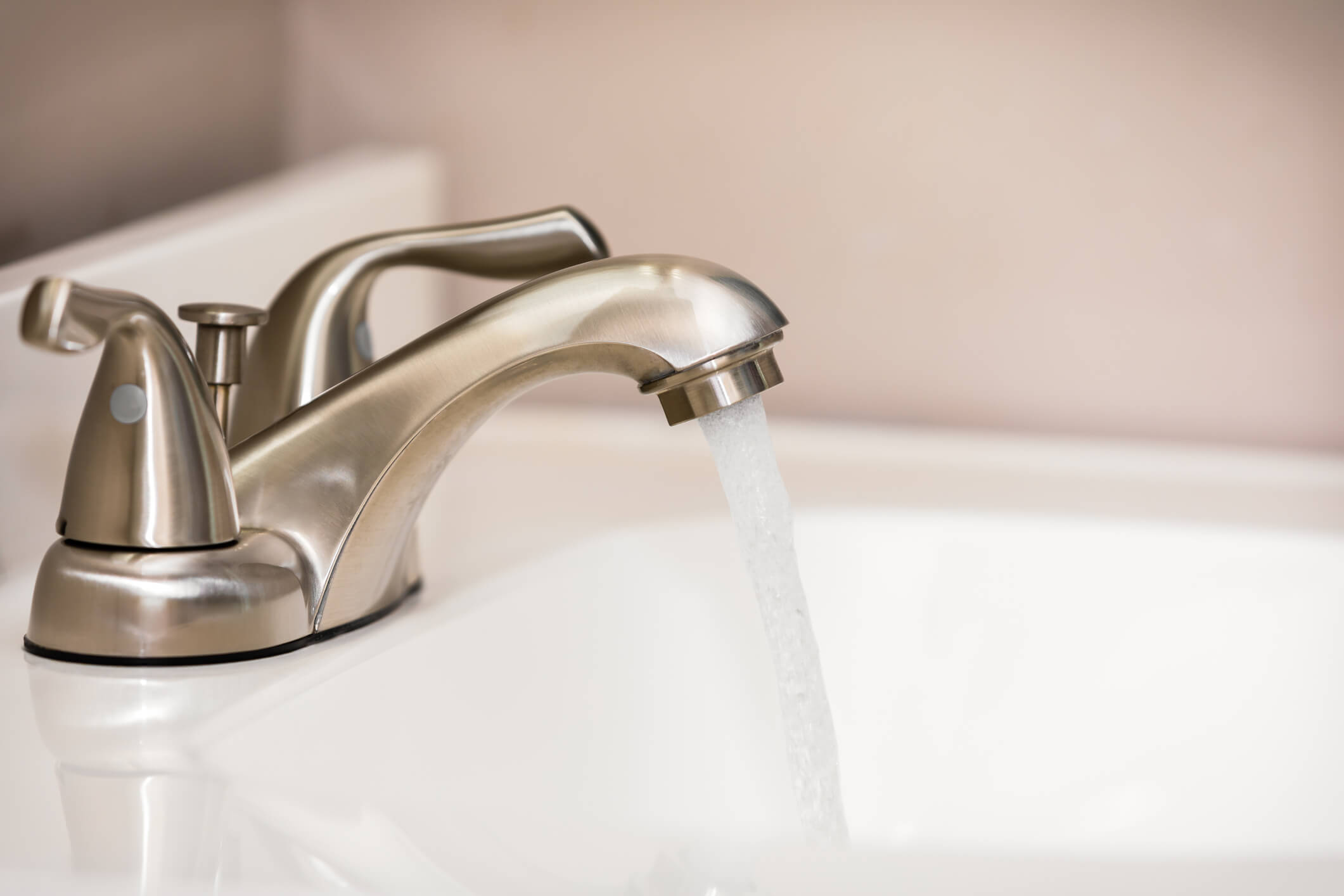
When temperatures drop below freezing, open faucets connected to vulnerable pipes to a slow, steady drip. Moving water resists freezing much better than standing water. Open both the hot and cold handles slightly. The small amount of water you'll use is negligible compared to the cost of repairing a burst pipe.
Open Cabinet Doors
Pipes under kitchen and bathroom sinks along exterior walls are often at risk because the cabinet enclosure blocks warm air from reaching them. During freezing weather, open the cabinet doors to allow heated air from your home to circulate around the pipes. Remember to move any cleaning chemicals or hazardous materials out of reach if you have small children or pets.
Maintain a Consistent Temperature
Keep your thermostat set to the same temperature day and night. While you might normally lower the heat at night to save energy, doing so during extreme cold can allow the temperature inside your walls and crawl spaces to drop below freezing. Keep the heat at a minimum of 55 degrees Fahrenheit at all times, including when you're away from home.
Close Your Garage Door
If you have water supply lines running through your garage, keep the garage door closed during cold weather. An open garage door exposes these pipes to freezing outdoor temperatures. If you use the garage frequently, install a timer or reminder to ensure the door gets closed promptly.
What to Do If Your Pipes Freeze
If you turn on a faucet and only a trickle of water comes out, or nothing at all, a frozen pipe is the likely culprit. Act quickly but carefully:
- Leave the faucet open. As the ice begins to melt, the flowing water will help thaw the rest of the blockage.
- Locate the frozen section. Check exposed pipes for frost, bulging, or condensation. The frozen area is often near an exterior wall or in an unheated space.
- Apply gentle heat. Use a hair dryer, heat lamp, portable space heater, or towels soaked in hot water. Work from the faucet end toward the frozen section to allow water to flow out as it melts.
- Never use an open flame. Blowtorches, propane heaters, charcoal grills, and similar devices can damage pipes, create toxic fumes, and start fires. Stick to safe, controlled heat sources only.
- Check other faucets. If one pipe is frozen, others may be as well. Test all faucets in your home.
- Call a professional if needed. If you can't locate the freeze, can't access it, or the pipe appears damaged, call a plumber for emergency plumbing service immediately.
If a Pipe Bursts
If a frozen pipe has already burst, take immediate action to minimize damage:
- Shut off the main water supply valve immediately
- Turn off electricity in affected areas if water is near electrical outlets or panels
- Call a professional plumber for emergency plumbing repair
- Begin removing standing water with towels, mops, or a wet vacuum
- Document all damage with photos for your insurance claim
- Contact your insurance company as soon as possible
Pro Tip: Before winter arrives, locate your main water shut-off valve and make sure every adult in your household knows where it is and how to operate it. In a burst pipe emergency, every second counts. Being able to shut off the water immediately can be the difference between a minor inconvenience and tens of thousands of dollars in water damage.
Need help protecting your pipes or dealing with freeze damage? We're here 24/7!