
How to Tell If Your Sewer Line Needs Repair
Your sewer line is one of the most critical components of your home's plumbing system. It carries all wastewater from your sinks, toilets, showers, and appliances out to the municipal sewer or your septic system. When something goes wrong with this underground pipe, the consequences can be messy, expensive, and even hazardous to your health. The good news is that sewer line problems rarely happen overnight. There are almost always warning signs that something is amiss, and catching those signs early can save you thousands of dollars in repairs.
Common Warning Signs of Sewer Line Damage
Sewer line problems tend to develop gradually, giving homeowners time to notice changes in how their plumbing behaves. Pay attention to these red flags that suggest your sewer line may need professional attention.
Slow Drains Throughout the House
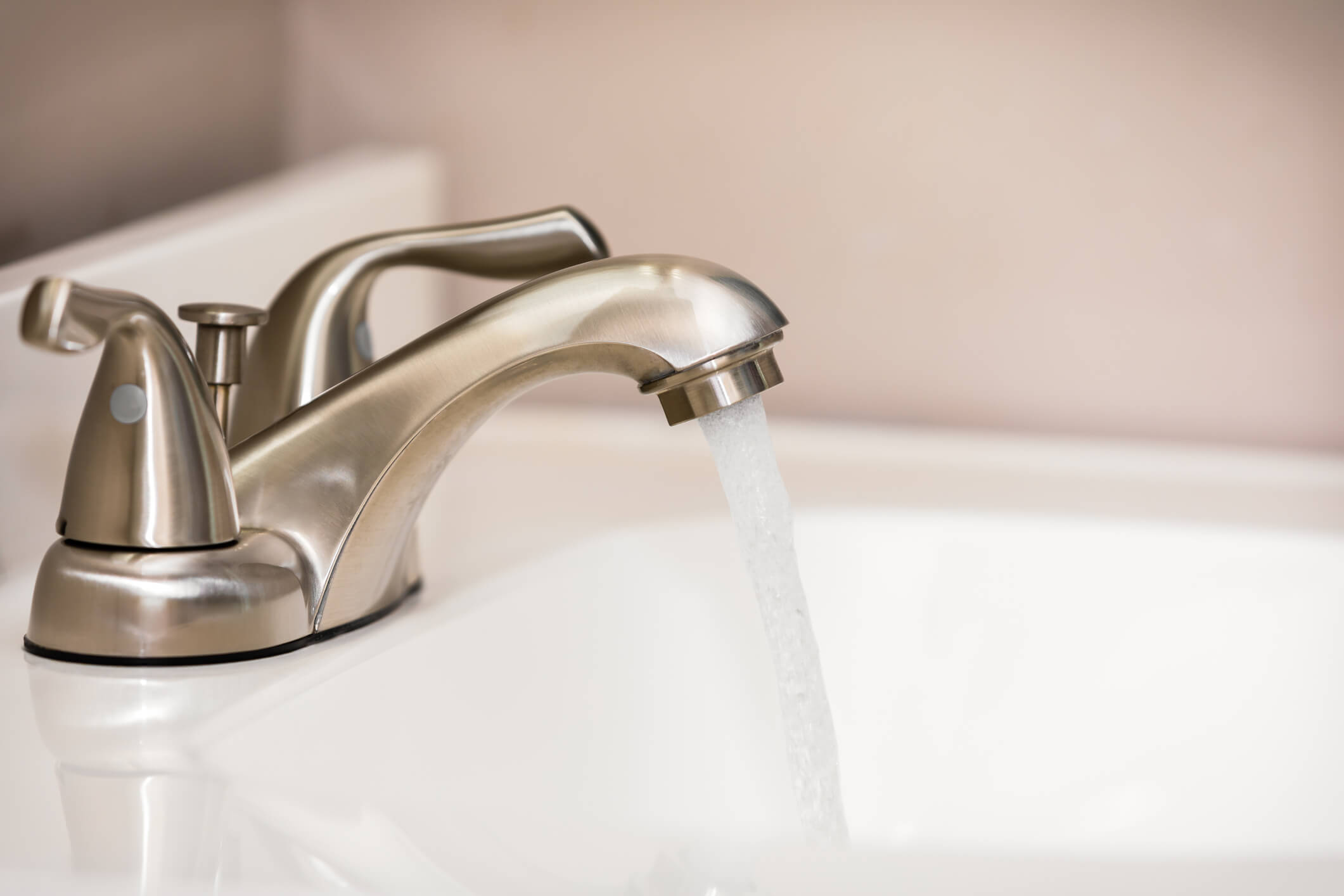
A single slow drain usually indicates a localized clog in that particular fixture's drain line. However, when multiple drains in your home begin to slow down at the same time, it often points to a problem deeper in the system — specifically, your main sewer line. If your kitchen sink, bathroom shower, and basement floor drain are all draining sluggishly, the blockage is likely in the shared pipe that connects them all to the sewer. Professional drain cleaning services can help diagnose whether the issue is localized or systemic.
Foul Odors Near Drains or in the Yard
A healthy sewer line is completely sealed, which means you should never smell sewage inside or outside your home. If you notice a persistent rotten egg smell coming from your drains, basement, or yard, it could indicate a crack or break in the sewer line. These cracks allow sewer gases to escape into the surrounding soil and potentially into your home. Sewer gas contains hydrogen sulfide and methane, which can be harmful in concentrated amounts, so this is a sign you should not ignore.
Gurgling Sounds from Toilets and Drains
Unusual gurgling or bubbling sounds coming from your toilet, bathtub drain, or sink drain are a telltale sign of a sewer line issue. These sounds occur when air gets trapped in the plumbing system due to a blockage or partial collapse in the sewer line. As water tries to push past the obstruction, it displaces air, which travels back up through your fixtures and creates those distinctive gurgling noises.
Sewage Backups
Perhaps the most obvious and unpleasant sign of sewer line trouble is sewage backing up into your home. This typically happens in the lowest drains first, such as basement floor drains or ground-floor bathtubs. If you flush a toilet and water backs up in the shower, or running the washing machine causes your floor drain to overflow, your sewer line is almost certainly blocked or damaged. This situation requires immediate professional attention to prevent property damage and health hazards.
Lush Patches of Grass in the Yard
An unusually green and lush patch of grass in your yard, especially if it follows a line from your house to the street, can indicate a leaking sewer pipe below. Sewage acts as a fertilizer, so the grass directly above a cracked or broken sewer line often grows faster and greener than the surrounding lawn. You may also notice indentations or soft, soggy spots in the yard where the soil has been saturated by the leaking wastewater.
Foundation Cracks and Settling
In severe cases, a leaking sewer line beneath or near your home's foundation can cause the soil to erode and shift, leading to foundation cracks, uneven floors, or doors and windows that no longer close properly. While foundation issues have many possible causes, if you notice them alongside other symptoms on this list, a damaged sewer line could be the culprit.
What Causes Sewer Line Damage?
Understanding the common causes of sewer line problems can help you take preventive measures and recognize risk factors specific to your home.
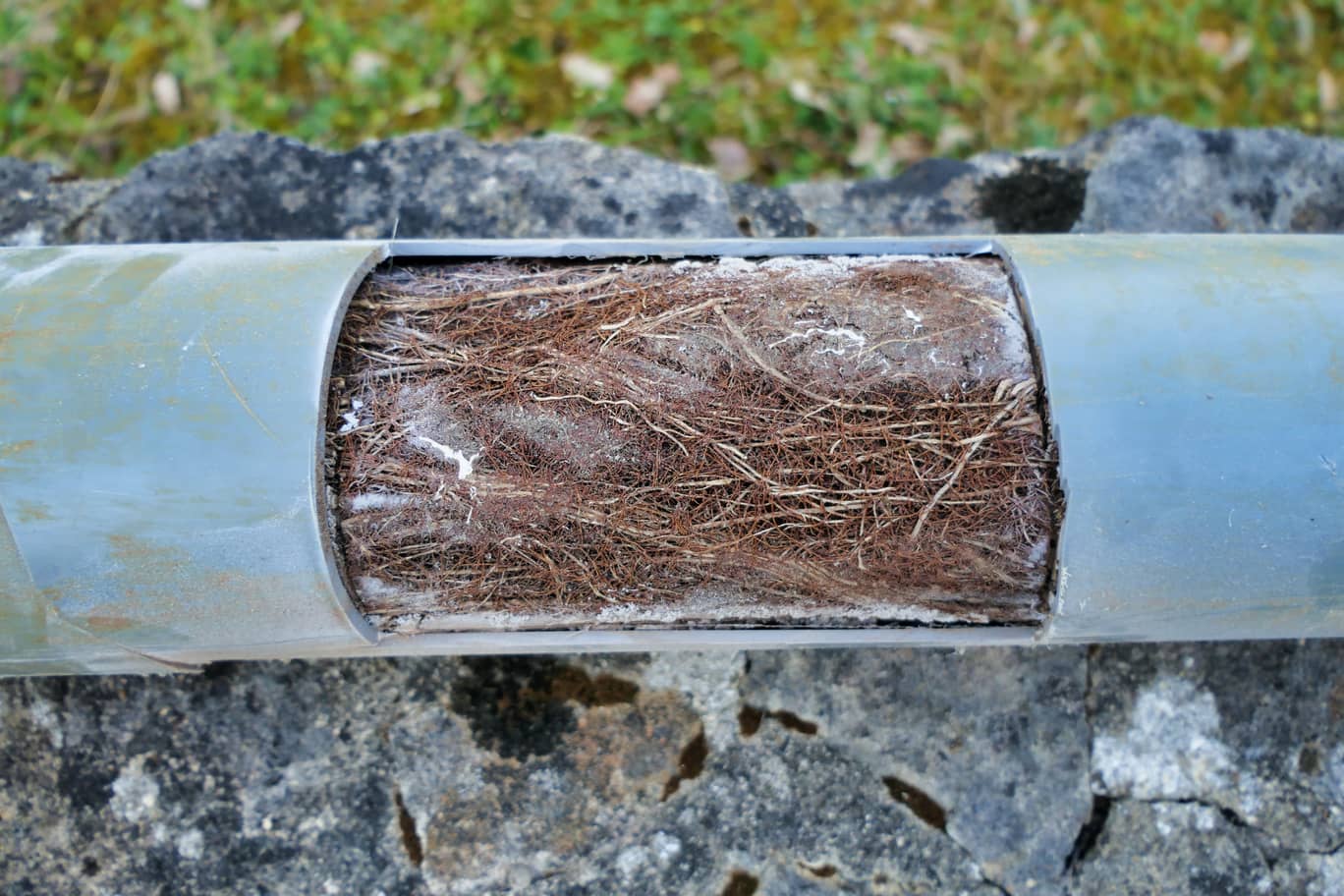
- Tree root intrusion: Tree roots are naturally drawn to the moisture and nutrients inside sewer pipes. They can penetrate small cracks or joints and grow inside the pipe, eventually causing blockages or even crushing the pipe entirely.
- Aging pipes: Older homes may have sewer lines made from clay, cast iron, or Orangeburg (a type of tar paper pipe). These materials deteriorate over time and are prone to cracking, collapsing, or corroding.
- Ground shifting: Soil movement caused by freeze-thaw cycles, heavy rain, or construction activity can shift or crack sewer lines, especially rigid pipe materials.
- Grease and debris buildup: Over time, grease, soap, hair, and other debris can accumulate inside the sewer line, narrowing the pipe and eventually causing a full blockage.
- Bellied pipe: A section of pipe that has sunk due to soil conditions creates a low spot where waste collects and causes recurring blockages.
Camera Inspection: The First Step to Diagnosis
When a plumber suspects sewer line damage, the first diagnostic step is usually a sewer camera inspection. A small, waterproof camera is fed through the sewer line, providing a real-time video feed of the pipe's interior. This technology allows the plumber to see exactly what's causing the problem — whether it's tree roots, a collapsed section, a grease buildup, or a bellied pipe — without any digging. The camera also records the location and depth of the problem, which is essential for planning the most effective repair strategy.
Sewer Line Repair Options
Depending on the type and severity of the damage, your plumber may recommend one of several repair approaches.
Hydro Jetting
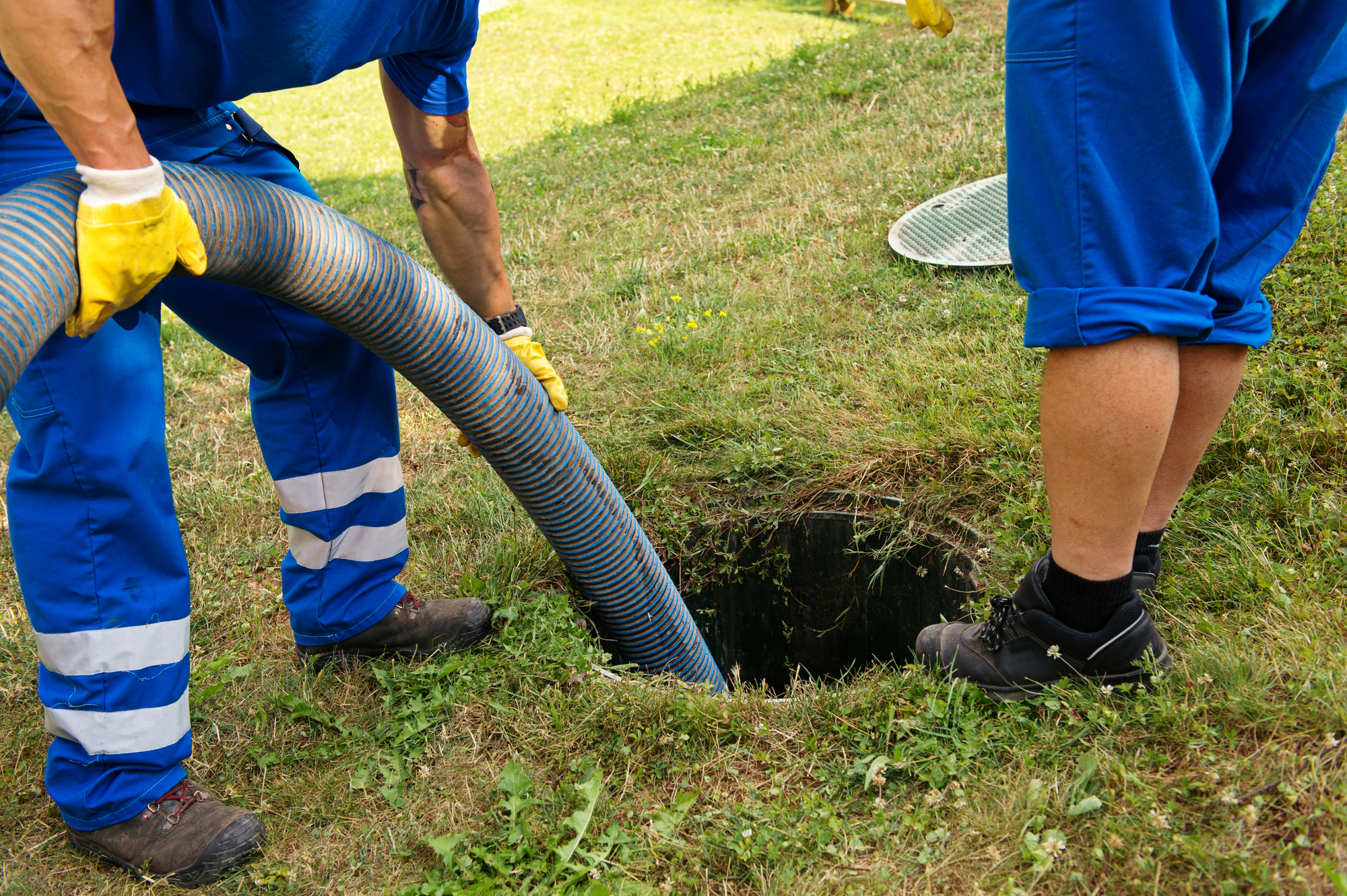
For blockages caused by grease buildup, mineral deposits, or moderate root intrusion, hydro jetting is often the best solution. This process uses a high-pressure stream of water to scour the inside of the pipe, removing buildup and cutting through roots. It's a highly effective, non-invasive method that restores the pipe to near-original capacity without any digging.
Trenchless Pipe Lining (CIPP)
Cured-in-place pipe lining (CIPP) is a trenchless repair method where an epoxy-saturated liner is inserted into the damaged pipe and inflated. Once the epoxy cures, it creates a smooth, durable new pipe within the old one. This method is ideal for pipes with cracks, small breaks, or joint separations, and it avoids the need to dig up your yard, driveway, or landscaping.
Pipe Bursting
When the sewer line is too damaged for lining, pipe bursting offers another trenchless option. A bursting head is pulled through the old pipe, breaking it apart while simultaneously pulling a new pipe into place behind it. This method requires only two small access points and is effective for replacing severely deteriorated pipes.
Traditional Excavation
In some cases, particularly when the pipe has completely collapsed or when trenchless methods are not feasible due to the pipe's configuration, traditional excavation may be necessary. This involves digging a trench to access the damaged section and replacing it with new pipe. While more disruptive, it remains the most reliable option for severe damage.
Prevention Tips
- Avoid planting trees or large shrubs near your sewer line.
- Never pour grease or cooking oil down drains.
- Use drain screens to catch hair and debris.
- Schedule periodic sewer camera inspections, especially if your home is older than 25 years.
- Consider preventive hydro jetting every few years to keep the line clear.
- Only flush toilet paper — avoid flushing wipes, feminine products, or other items.
Pro Tip: If your home was built before 1980, ask your plumber about a sewer camera inspection during your next service visit. Many older homes have clay or cast iron sewer lines that may be nearing the end of their lifespan. Catching deterioration early gives you more repair options and helps you avoid emergency situations.
Concerned about your sewer line? We can help!