
Plumbing Permits in Georgia: What Homeowners Should Know
When planning a plumbing project for your home, permits might not be the first thing on your mind. You're probably focused on choosing fixtures, getting quotes, and figuring out timelines. But plumbing permits are a critical part of any significant plumbing project in Georgia, and skipping them can lead to serious consequences including fines, insurance complications, and difficulty selling your home down the road.
Understanding Georgia's plumbing permit requirements doesn't have to be complicated. This guide breaks down when permits are needed, how the process works, and why working with a licensed plumber makes the entire experience straightforward.
When Do You Need a Plumbing Permit?
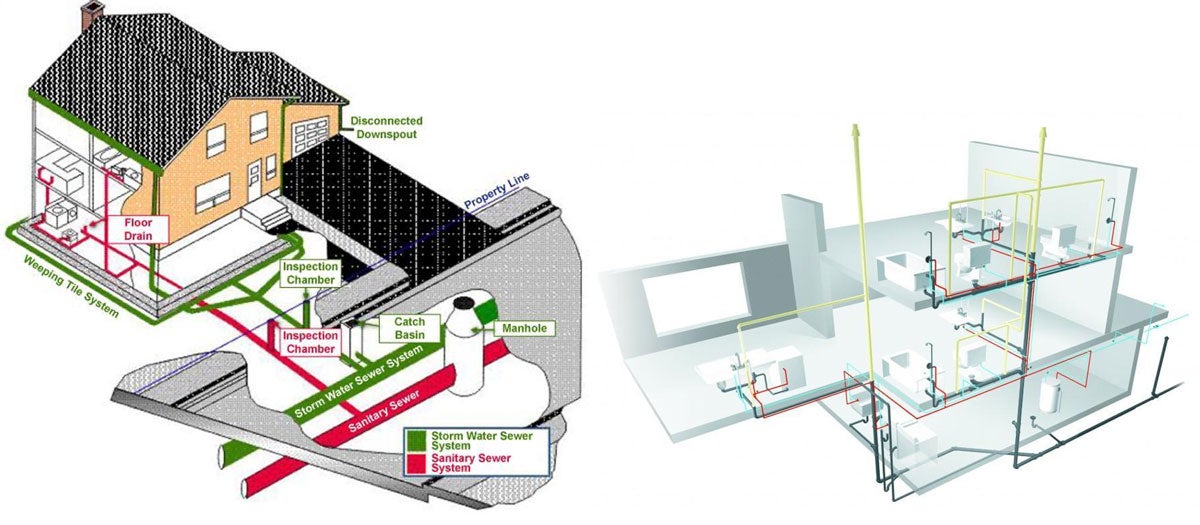
In Georgia, plumbing permits are generally required for any work that involves installing new plumbing lines, moving existing plumbing, or making changes to the drainage, waste, or venting systems in your home. The specific requirements can vary by county and municipality, but some common projects that typically require permits include:
- Installing new water supply or drain lines
- Adding a new bathroom, kitchen, or laundry room
- Moving existing plumbing fixtures to new locations
- Replacing a water heater (in most jurisdictions)
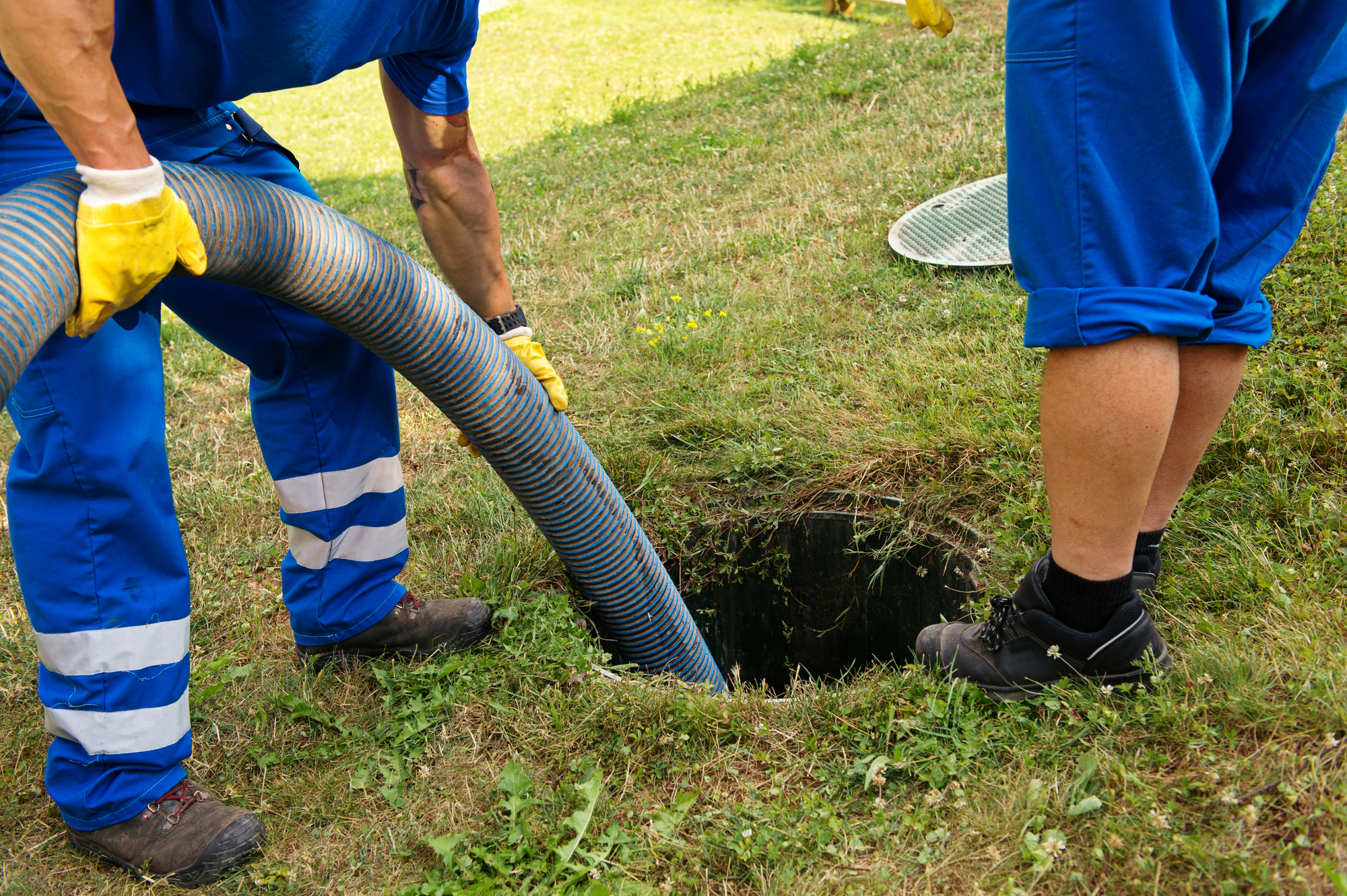
- Installing or replacing a sewer line or septic system
- Adding an outdoor kitchen or pool plumbing
- Major repiping projects
- Installing a new water softener or treatment system that requires plumbing modifications
Projects That Typically Don't Require Permits
Minor repairs and maintenance work usually don't require permits. This includes fixing a leaky faucet, replacing a toilet (in the same location), clearing a clogged drain, replacing a showerhead or faucet, repairing a small section of pipe, and replacing fixture trim or hardware. The key distinction is whether you're repairing or replacing an existing fixture in place versus installing new plumbing infrastructure or changing the layout.
How the Permit Process Works
Step 1: Application
Permit applications are filed with your local building department or code enforcement office. In most Georgia counties, the application requires a description of the work, the property address, the property owner's information, and in many cases a diagram or plan showing the proposed plumbing changes. Some jurisdictions now accept online applications, while others require an in-person visit.
Step 2: Review and Approval
The building department reviews the application to ensure the proposed work meets Georgia's state plumbing code and any local amendments. Simple projects like water heater replacements may be approved the same day, while more complex projects involving new construction or major alterations may take several days to several weeks for review.
Step 3: Inspection
Once the work is completed, a building inspector visits the site to verify that the plumbing was installed according to code and matches the approved plans. For projects that involve concealed plumbing, such as pipes inside walls or underground, a rough-in inspection must occur before the plumbing is covered up. A final inspection happens after everything is connected and operational. The inspector checks for proper pipe sizing, correct slope on drain lines, adequate venting, secure connections, and code-compliant materials.
Permit Costs
Plumbing permit fees in Georgia vary by jurisdiction and the scope of the project. Simple permits for water heater replacements might cost $50 to $100, while permits for new construction or major renovations can range from $100 to $500 or more. These fees fund the inspection process that protects you as the homeowner by ensuring the work is done safely and to code.
Consequences of Skipping Permits
Some homeowners are tempted to skip the permit process to save time or money. This is a risky decision that can create significant problems:
- Fines and penalties: If unpermitted work is discovered, your local jurisdiction can impose fines. In some Georgia counties, fines can be assessed per day until the work is permitted and inspected.
- Required removal: The building department can require you to remove and redo unpermitted work, even if it was done correctly. This means tearing out walls, floors, or ceilings to expose plumbing for inspection.
- Insurance issues: If a plumbing failure causes water damage and the work wasn't permitted, your homeowner's insurance company may deny the claim. This can leave you paying out of pocket for thousands of dollars in damage.
- Problems selling your home: During a home sale, unpermitted work can surface during the inspection or title search. Buyers may walk away, demand a price reduction, or require you to obtain retroactive permits before closing.
- Safety risks: The permit and inspection process exists to protect you. Without an inspection, there's no independent verification that the plumbing was installed safely and correctly.
Why Licensed Plumbers Matter for Permitted Work
In Georgia, only licensed plumbers (or homeowners working on their own primary residence in some jurisdictions) can perform permitted plumbing work. Hiring a licensed plumber for your plumbing installation project offers several advantages when it comes to the permit process.
Licensed plumbers understand local codes intimately and design their work to pass inspection the first time. They typically handle the entire permit process on your behalf, from application through final inspection. They carry insurance that protects you in case of errors, and their license is on the line, giving them strong motivation to do the work right.
When you hire an unlicensed contractor or handyman for work that requires a permit, you're taking on all the risk. If the work fails inspection or causes damage, you have little recourse. A licensed plumber's work is backed by their professional credentials, their insurance, and the oversight of Georgia's licensing board.
Understanding Georgia's Plumbing Code
Georgia follows the International Plumbing Code with state-specific amendments. This code covers everything from pipe materials and sizing to fixture placement, venting requirements, and water heater installations. Our team stays current with all code updates and our process includes ensuring every project meets or exceeds these requirements.
Some key code requirements that homeowners should be aware of include minimum pipe sizes for different fixtures, required slope for drain lines (typically 1/4 inch per foot), proper venting to prevent sewer gases from entering the home, backflow prevention on certain connections, and temperature and pressure relief requirements for water heaters.
How to Check If Your Existing Work Was Permitted
If you're unsure whether previous plumbing work on your home was properly permitted, you can check with your local building department. Most jurisdictions maintain records of all permits issued for a property, searchable by address. If you discover unpermitted work, contact your building department to discuss options for retroactive permitting. It's better to address this proactively than to have it discovered during a home sale or after a plumbing failure.
Pro Tip: Before starting any plumbing project, call your local building department and ask whether a permit is required for the specific work you're planning. This five-minute phone call can save you thousands of dollars in fines and complications. When in doubt, it's always safer to pull a permit than to skip one.
Need a licensed plumber for your next project? We're here to help!