
How to Prepare Your Plumbing for Fall and Winter
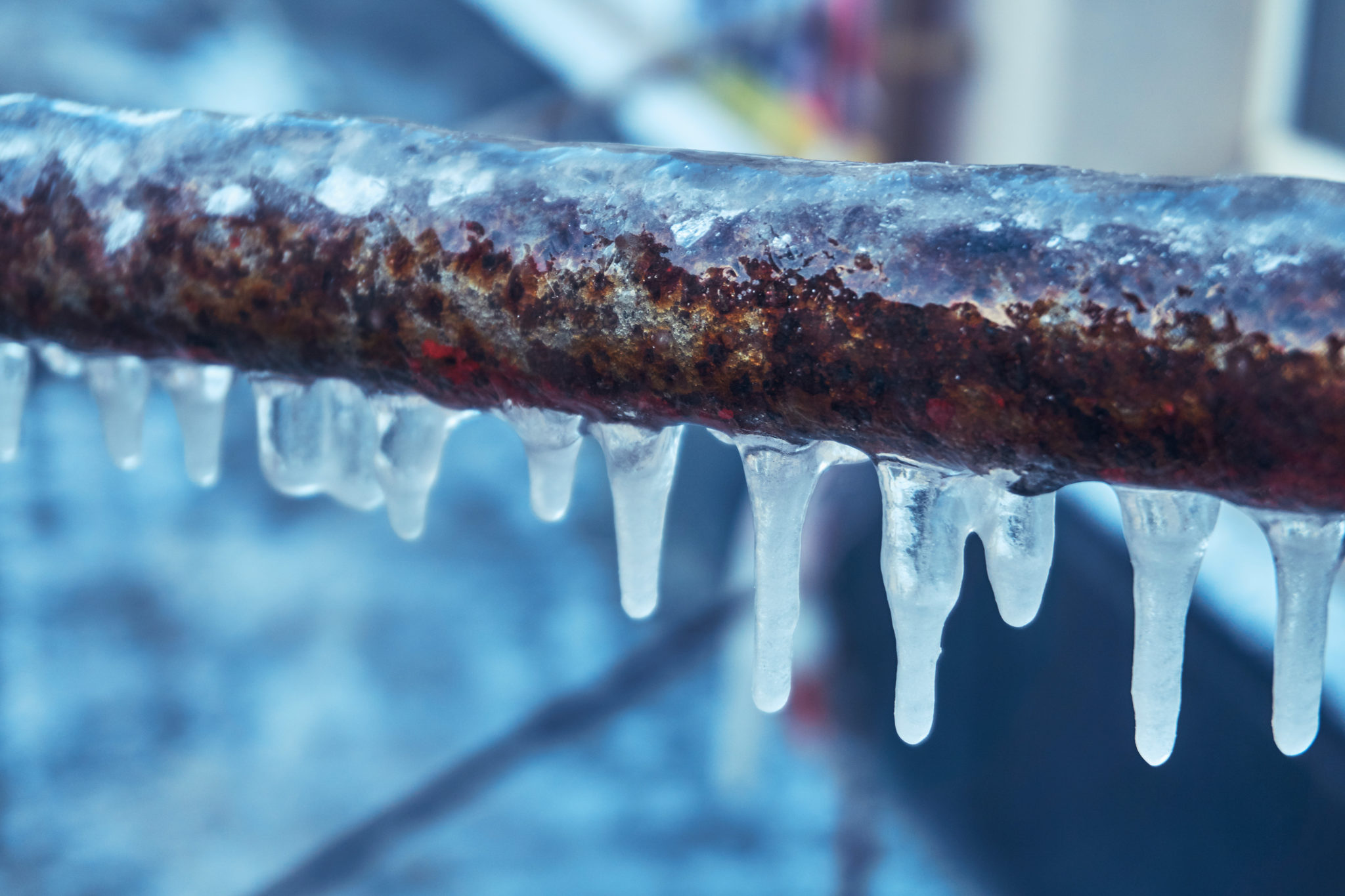
As temperatures drop in the fall and winter months, your home's plumbing system faces a unique set of challenges. Freezing temperatures can cause pipes to burst, outdoor fixtures to crack, and water heaters to work overtime. The damage from a single burst pipe can cost thousands of dollars in repairs and water damage restoration. The good news is that most winter plumbing problems are preventable with some straightforward preparation. Taking a few hours in early fall to winterize your plumbing can save you from costly emergencies when the cold hits.
Outdoor Plumbing Preparation
Disconnect and Store Garden Hoses
One of the simplest yet most important steps in winter plumbing preparation is disconnecting your garden hoses from outdoor faucets (also called hose bibs or spigots). A hose left connected to an outdoor faucet traps water inside the faucet and the connecting pipe. When that trapped water freezes, it expands and can crack the faucet or the pipe behind it, often without any visible sign until spring when you turn the water back on and discover a leak inside the wall. Disconnect all hoses, drain them completely, and store them in a garage or shed for the winter.
Shut Off and Drain Outdoor Faucets
After disconnecting your hoses, locate the interior shutoff valve for each outdoor faucet. Most homes have individual shutoff valves for exterior hose bibs, typically located in the basement or crawl space near where the pipe exits the house. Turn off each shutoff valve, then open the outdoor faucet to drain any remaining water from the line. Leave the outdoor faucet in the open position so any residual water can expand without building up pressure. If your home has frost-free hose bibs (spigots with a long stem that places the shutoff point inside the heated space), disconnecting the hose is usually sufficient, but draining the line is still a good precaution.
Winterize Irrigation Systems
If your home has a sprinkler or irrigation system, it needs to be properly winterized before the first freeze. This involves shutting off the water supply to the system and blowing compressed air through the lines to remove all remaining water. Most homeowners hire a professional for this service, as improper blowout can damage sprinkler heads and valves. A cracked sprinkler line can be expensive to locate and repair in the spring.
Indoor Pipe Protection
Insulate Exposed Pipes
Pipes in unheated areas of your home — such as basements, crawl spaces, attics, garages, and exterior walls — are the most vulnerable to freezing. Insulating these pipes with foam pipe insulation sleeves is one of the most cost-effective ways to prevent frozen pipes. Foam insulation is inexpensive, easy to install (just slit it along the seam and wrap it around the pipe), and available at any hardware store. For pipes in particularly cold areas, consider using thermostatically controlled heat tape or heat cables, which provide a low level of electrical warmth to keep the pipe above freezing. If you notice any pipes that are already damaged or showing signs of wear, our plumbing repair services can address those issues before winter arrives.
Seal Drafts Near Pipes
Cold air leaking into your home through gaps around pipes, electrical wires, dryer vents, or other wall penetrations can create localized cold spots that freeze nearby pipes. Inspect your basement, crawl space, and exterior walls for any gaps or cracks that allow cold air in, and seal them with caulk, expanding foam, or weatherstripping. Pay special attention to areas where pipes enter the home from outside and to the rim joist area in the basement, which is a common source of cold air infiltration.
Know How to Prevent Freezing During Extreme Cold
During extreme cold snaps when temperatures drop well below freezing for extended periods, take additional precautions. Open cabinet doors under sinks on exterior walls to let warm air circulate around the pipes. Let faucets served by exposed pipes drip slightly — the continuous flow of water, even at a trickle, helps prevent freezing. Keep your thermostat set to at least 55 degrees Fahrenheit, even when you're away from home or sleeping. If you're leaving for an extended trip during winter, consider shutting off your main water supply and draining the system to eliminate the risk of a burst pipe while you're gone.
Water Heater Maintenance
Your water heater works harder during the cold months because incoming water from the supply line is significantly colder, requiring more energy to heat it to the desired temperature. Fall is the ideal time to perform water heater maintenance to ensure it's ready for the increased demand.
- Flush the tank: Sediment accumulates at the bottom of tank water heaters over time, reducing efficiency and capacity. Drain two to three gallons from the tank's drain valve to flush out sediment, or perform a full tank flush if it hasn't been done in over a year.
- Check the temperature setting: The recommended setting is 120 degrees Fahrenheit. Higher settings waste energy and increase the risk of scalding, while lower settings may not provide adequate hot water during winter.
- Inspect the anode rod: The sacrificial anode rod protects the tank from corrosion. If it's heavily corroded or less than half an inch in diameter, it should be replaced to extend the life of your water heater.
- Test the pressure relief valve: Lift the lever on the temperature and pressure (T&P) relief valve and let it snap back. You should hear a gurgle of water being released into the drain tube. If the valve doesn't operate smoothly, it needs to be replaced.
- Insulate the tank and pipes: If your water heater is in an unheated space, adding an insulation blanket to the tank and insulating the hot water pipes can reduce heat loss and save energy.
If your water heater is more than 10 years old and showing signs of reduced performance, fall is a smart time to consider a water heater replacement before the peak demand season hits. A new, energy-efficient water heater will provide better performance and lower utility bills throughout the winter.
Thermostat and Heating Considerations
Your home's heating system plays a direct role in plumbing protection. Maintaining a consistent indoor temperature helps keep pipes warm and prevents freezing, even in the coldest weather.
- Set your thermostat to no lower than 55 degrees Fahrenheit at all times, even when the house is unoccupied.
- Avoid drastic temperature swings between day and night settings — keep the temperature relatively stable.
- Ensure heating vents are not blocked by furniture or stored items in areas near plumbing.
- If you have a programmable thermostat, verify that the schedule is set for winter conditions and that the battery backup is working.
Emergency Preparedness
Despite your best efforts, emergencies can still happen. Make sure every member of your household knows where the main water shutoff valve is located and how to turn it off. In the event of a burst pipe, shutting off the water immediately can prevent thousands of dollars in water damage. Keep the phone number of a reliable plumber easily accessible so you can get emergency help quickly if needed.
Pro Tip: Create a simple fall plumbing checklist and walk through it every year before the first freeze. Include disconnecting hoses, shutting off outdoor water, insulating pipes, flushing the water heater, and testing your sump pump. A consistent annual routine takes the guesswork out of winter preparation and ensures nothing gets overlooked.
Need help winterizing your plumbing? We're here for you!