
Septic vs. Sewer: Pros and Cons for Homeowners
If you're buying a home, building new construction, or considering a switch between waste management systems, one of the most important decisions you'll face is whether your property will use a septic system or connect to a municipal sewer line. Each option has distinct advantages and disadvantages, and the right choice depends on your property's location, your budget, and your willingness to handle ongoing maintenance.
In the Metro Atlanta area and across Georgia, both systems are common. Urban and suburban neighborhoods typically connect to city sewer, while rural properties and many homes outside incorporated areas rely on private septic systems. Understanding how each works and what they require will help you make an informed decision about your home's wastewater management.
How Municipal Sewer Systems Work
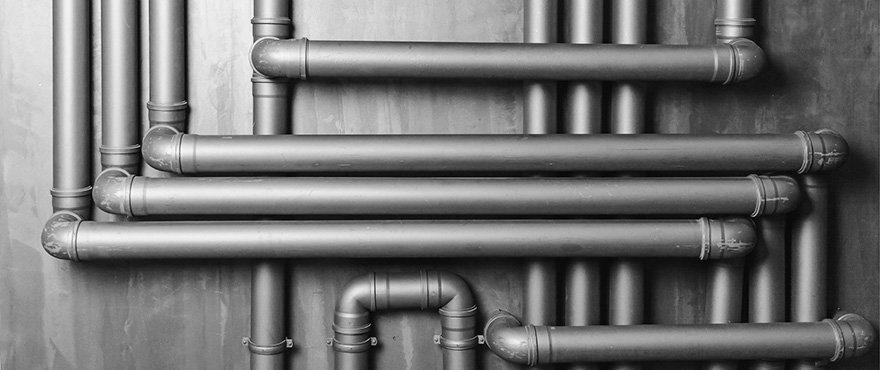
A municipal sewer system is a network of underground pipes that carries wastewater from your home to a centralized treatment facility. Your home connects to the sewer main via a lateral line that runs from your house to the street. From there, gravity and pump stations move wastewater through progressively larger pipes to the treatment plant, where it's processed, cleaned, and released back into the environment.
As a homeowner connected to a sewer system, you're responsible for the lateral line from your home to the sewer main. The municipality maintains everything beyond that connection point. You pay a monthly sewer fee, which is typically calculated based on your water usage.
How Septic Systems Work
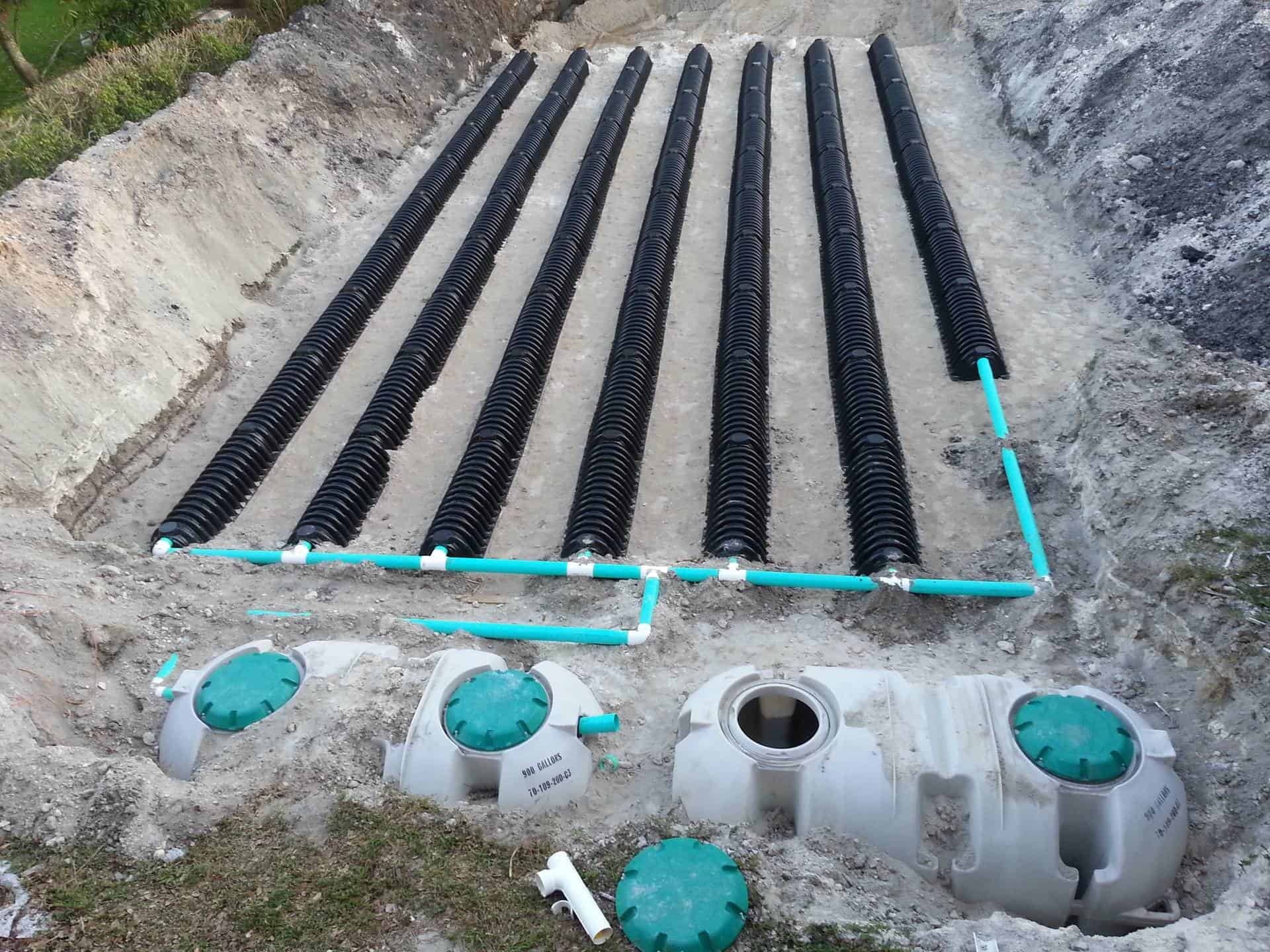
A septic system is a private, on-site wastewater treatment system. Wastewater from your home flows into a buried septic tank, where solids settle to the bottom and form sludge while lighter materials float to the top as scum. Bacteria in the tank break down these materials over time. The liquid effluent in the middle layer flows out to a drain field, where it percolates through gravel and soil, undergoing natural filtration before returning to the groundwater.
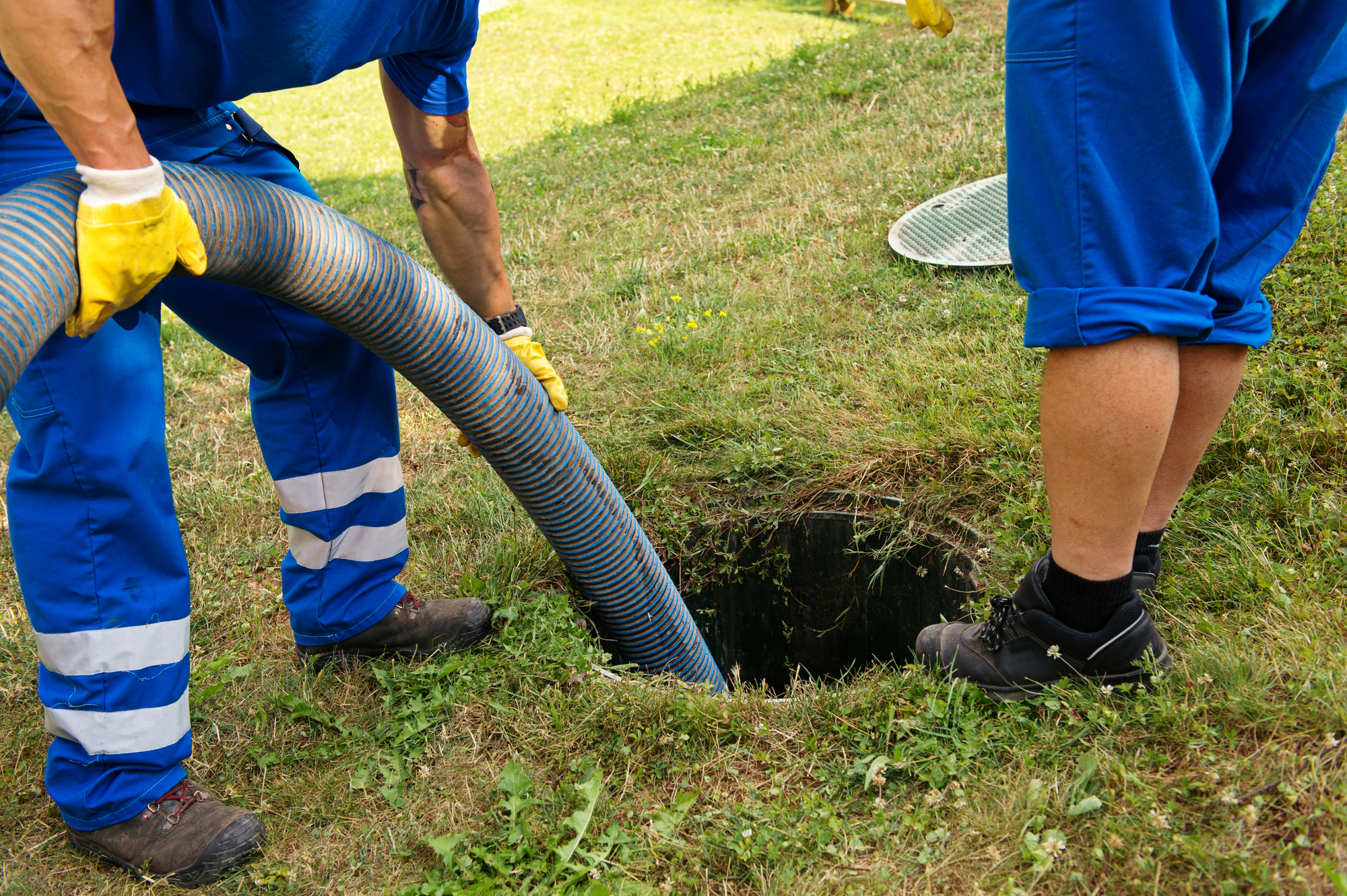
The entire system is located on your property, and you are solely responsible for its installation, maintenance, and repair. Regular septic tank pumping is essential to keep the system functioning properly and prevent costly failures.
Cost Comparison
Upfront Costs
Connecting to a municipal sewer typically involves a connection fee, which can range from a few hundred to several thousand dollars depending on the municipality and the distance from your home to the sewer main. If a sewer line doesn't already run near your property, extension costs can be substantial, sometimes exceeding $10,000 or more.
Installing a new septic system generally costs between $5,000 and $15,000 for a conventional system, though alternative systems like mound or aerobic treatment units can cost $15,000 to $30,000 or more. The cost depends heavily on soil conditions, system type, and local permitting requirements.
Ongoing Costs
Sewer users pay a monthly fee that varies by municipality. In the Metro Atlanta area, monthly sewer bills typically range from $30 to $80 or more, depending on water usage. Over a 30-year period, those monthly fees add up to a significant expense.
Septic system owners have no monthly utility bill for wastewater, but they do face periodic maintenance costs. Professional septic pumping every 3 to 5 years costs between $300 and $600. Annual inspections, when recommended, add another $100 to $300. However, the total annual cost of septic ownership is generally lower than monthly sewer fees for most homeowners.
Maintenance Differences
Sewer Maintenance
One of the biggest advantages of a sewer connection is minimal maintenance responsibility. The municipality handles treatment plant operations and main line maintenance. Your only responsibility is the lateral line from your home to the main, and issues with lateral lines are relatively uncommon. If a problem does occur with the main sewer system, the city addresses it at no direct cost to you.
Septic Maintenance
Septic systems require active homeowner involvement. You need to schedule regular pumping, monitor water usage to avoid overloading the system, be careful about what goes down your drains, protect the drain field from compaction and root intrusion, and watch for signs of system failure. Neglecting maintenance can lead to expensive septic repairs or complete system replacement, which can cost $10,000 to $30,000 or more.
- Pump the septic tank every 3 to 5 years, depending on household size
- Avoid flushing anything other than waste and toilet paper
- Spread laundry loads throughout the week to avoid overwhelming the system
- Keep heavy vehicles and structures off the drain field
- Don't plant trees or deep-rooted shrubs near the septic system
- Use water-efficient fixtures to reduce the load on the system
Rural vs. Urban Considerations
Your property's location often determines which option is available. In urban and most suburban areas, sewer connections are readily available and may even be required by local ordinance. Rural properties, however, typically lack access to municipal sewer infrastructure, making septic systems the only practical option.
For properties in transitional areas where both options might be available, consider the long-term development plans for your area. If your municipality is expanding sewer service, you may eventually be required to connect even if you currently have a septic system. Some jurisdictions offer incentives or mandates for sewer connections when lines become available within a certain distance of your property.
Environmental Considerations
Both systems have environmental implications. A properly maintained septic system returns treated water to the local groundwater supply, which can be beneficial for the local water table. However, a failing septic system can contaminate groundwater with bacteria, nitrates, and other pollutants.
Municipal sewer systems centralize treatment, allowing for more advanced processing and monitoring. However, sewer systems can experience overflows during heavy rain events, releasing untreated wastewater into waterways. The infrastructure also requires significant energy to operate.
Making the Right Choice
If you have a choice between septic and sewer, consider your priorities. Sewer connections offer convenience and minimal maintenance responsibility, making them ideal for homeowners who prefer a hands-off approach. Septic systems offer independence from monthly utility fees and municipal rate increases, which appeals to homeowners who are comfortable with periodic maintenance tasks.
Pro Tip: If you're buying a home with an existing septic system, always request a septic inspection before closing. A professional inspection reveals the tank's condition, pumping history, and drain field health, potentially saving you from inheriting a system that's near the end of its life.
Have questions about your septic or sewer system? We're here to help!