
The Importance of Sewer Line Camera Inspections
Your sewer line is one of the most critical components of your home's plumbing system, yet it's entirely hidden from view. Buried several feet underground, running from your house to the municipal sewer main or septic tank, this pipe carries all of your home's wastewater. When something goes wrong with your sewer line, the consequences can be messy, disruptive, and extremely expensive.
Fortunately, modern technology allows plumbers to inspect the interior of your sewer line without digging a single hole. A sewer line camera inspection uses a waterproof, high-resolution camera attached to a flexible cable that's fed through your sewer line, providing a real-time video feed of the pipe's interior condition. This non-invasive diagnostic tool has revolutionized how plumbing problems are identified and resolved.
How a Sewer Camera Inspection Works
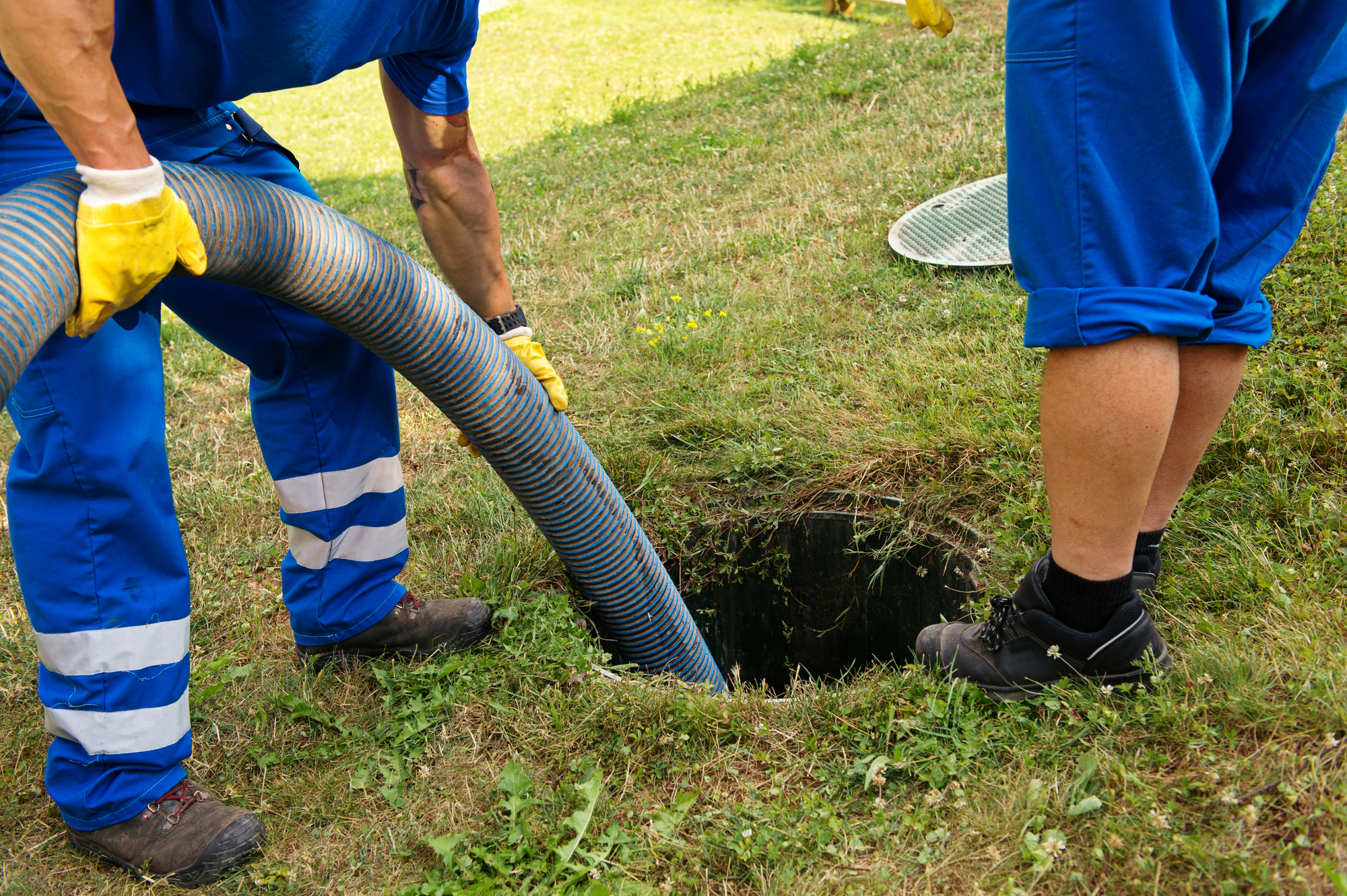
During a sewer camera inspection, a trained technician inserts a specialized camera into your sewer line through a cleanout access point. The camera is mounted on a flexible rod that can navigate bends and curves in the pipe. As the camera travels through the line, it transmits a live video feed to a monitor, allowing the technician to see exactly what's happening inside your pipes.
The camera also sends location and depth data, so the technician can pinpoint the exact position of any problems found. This means that if a repair is needed, the plumber knows precisely where to dig, saving time and minimizing disruption to your yard. The entire inspection typically takes 30 to 60 minutes, depending on the length and condition of your sewer line.
What a Camera Inspection Can Reveal
A sewer camera inspection can identify a wide range of problems that would otherwise remain hidden until they caused a major failure:
Tree Root Intrusion
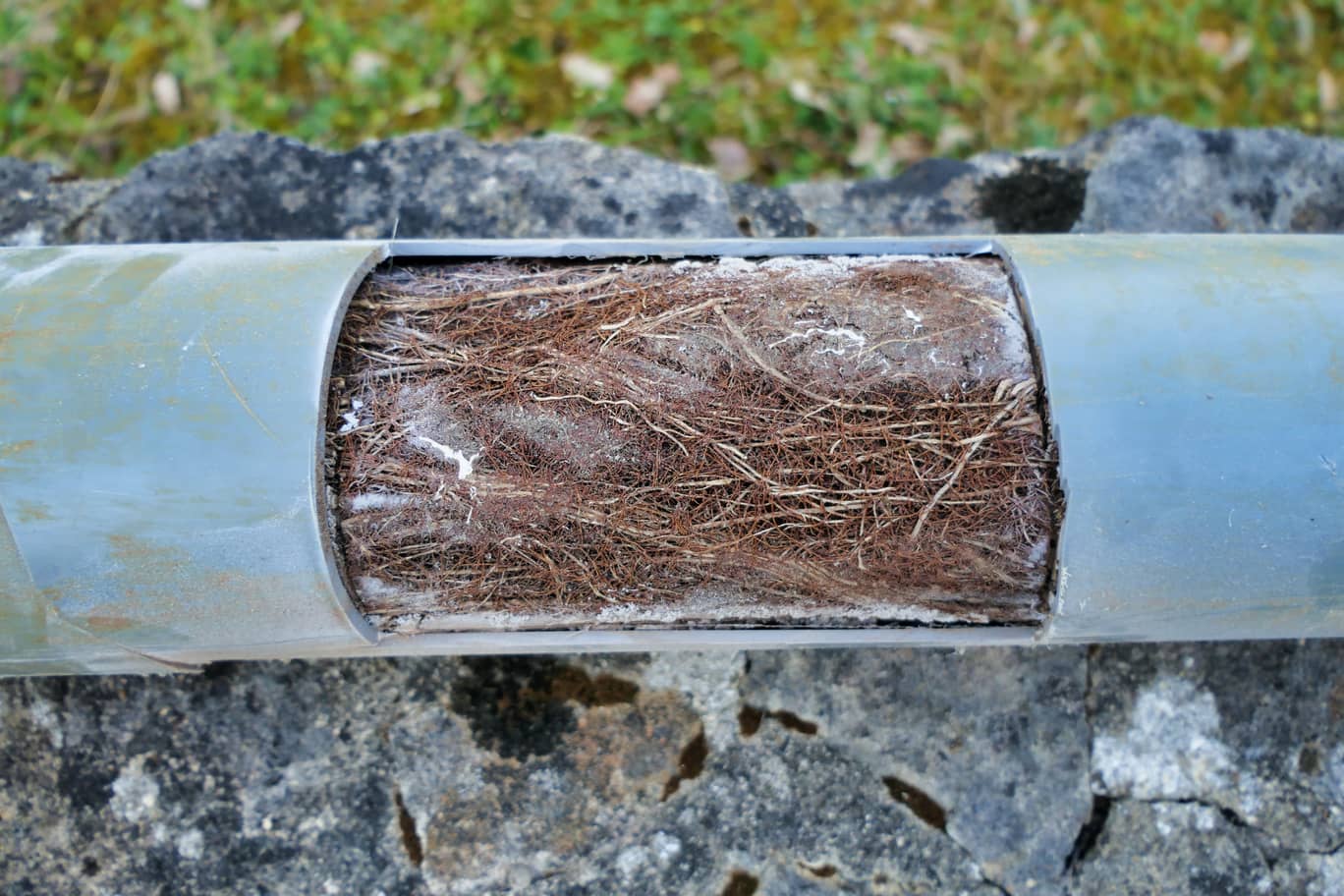
Tree roots are one of the most common causes of sewer line damage. Roots naturally seek out moisture and nutrients, and your sewer line provides both. They can enter through tiny cracks or joint failures, then grow and expand inside the pipe, eventually blocking flow completely. Camera inspections can detect root intrusion in its early stages, before it causes a complete blockage. Early detection allows for treatments like hydro jetting to clear the roots before more extensive damage occurs.
Cracks, Breaks, and Collapsed Sections
Over time, sewer lines can develop cracks from ground shifting, heavy vehicle traffic above, or simply age-related deterioration. Left unaddressed, cracks can worsen into complete breaks or collapsed sections where the pipe has caved in. A camera inspection shows the exact location, type, and severity of any damage, allowing the plumber to recommend the most appropriate repair method.
Bellied or Sagging Pipe Sections
A "belly" in a sewer line is a section where the pipe has sunk due to ground movement or settling. This creates a low spot where waste and water collect instead of flowing freely to the sewer main. Over time, these low spots accumulate sediment and debris, leading to recurring clogs and backups. A belly is impossible to detect without a camera inspection or excavation.
Blockages and Buildup
Camera inspections can identify the exact nature and location of blockages, whether they're caused by grease accumulation, mineral deposits, foreign objects, or other debris. Knowing what's causing the blockage determines the best approach for clearing it, whether that's mechanical snaking, professional drain cleaning, or hydro jetting.
Pipe Material and Condition
Many older homes have sewer lines made from materials that are no longer considered ideal, such as cast iron, clay, or Orangeburg (a type of compressed tar paper pipe). A camera inspection reveals the pipe material and its overall condition, helping you plan for eventual replacement before a catastrophic failure occurs.
Joint Separations and Offsets
Sewer lines are made up of individual pipe sections joined together. Over time, these joints can separate or shift out of alignment, creating gaps where roots can enter and waste can leak into the surrounding soil. A camera inspection clearly shows any joint issues so they can be addressed.
When You Should Get a Sewer Camera Inspection
While a sewer camera inspection is valuable anytime, there are specific situations where it's especially important:
- Before buying a home: A sewer line replacement can cost $5,000 to $25,000 or more. A pre-purchase camera inspection can reveal hidden problems that could turn your dream home into a financial nightmare. Many home inspectors don't include the sewer line in their standard inspection.
- Recurring drain problems: If you're experiencing frequent clogs, slow drains, or sewage backups, a camera inspection can identify the root cause so it can be fixed permanently instead of treating the symptoms.
- Before a major landscaping project: If you're planning to plant trees, build an addition, or install a pool near your sewer line, an inspection can confirm the line's location and condition before you risk damaging it.
- Older homes: If your home is 25 years old or more and the sewer line has never been inspected, it's wise to get a baseline inspection. Knowing the current condition of your line helps you plan and budget for any future maintenance or replacement.
- After a sewer line repair: A post-repair inspection verifies that the work was done correctly and the line is flowing properly.
- Foul odors: Sewer smells in or around your home can indicate a cracked or broken sewer line. A camera inspection can quickly confirm or rule out this possibility.
The Benefits of Proactive Inspections
Many homeowners only think about their sewer line when something goes wrong. But proactive camera inspections offer significant advantages:
- Cost savings: Catching a small crack or early-stage root intrusion is far less expensive to fix than dealing with a complete line failure or sewage backup.
- Peace of mind: Knowing the condition of your sewer line eliminates uncertainty and helps you plan for the future.
- Accurate diagnosis: Instead of guessing at the cause of recurring plumbing problems, a camera inspection provides definitive answers.
- Minimized property damage: By pinpointing the exact location of problems, camera inspections eliminate the need for exploratory digging that can tear up your yard.
- Documentation: Many plumbers provide recorded video of the inspection that you can keep for your records or share with potential home buyers.
What Happens After the Inspection
After completing the camera inspection, your plumber will review the findings with you, often showing you the video footage and explaining what they found. If problems are identified, they'll recommend the best course of action based on the type and severity of the issue. Options may include hydro jetting to clear roots and buildup, trenchless pipe lining to repair cracks without digging, spot repairs for localized damage, or full line replacement if the pipe is beyond repair.
Pro Tip: If you're buying a home, always request a sewer line camera inspection as part of your due diligence, even if the home inspector says everything looks fine above ground. A sewer line replacement is one of the most expensive surprises a new homeowner can face, and it's completely avoidable with a pre-purchase inspection.
Want to know what's going on inside your sewer line? Schedule an inspection today!