
Signs of a Main Sewer Line Problem
Your main sewer line is the primary pipe that carries all wastewater from your home to the municipal sewer system or your septic tank. Because it's buried underground and out of sight, problems with this critical pipe can go unnoticed until they become serious. A damaged or clogged main sewer line can cause widespread plumbing issues throughout your entire home, making early detection essential.
At Plumb-All, we've seen firsthand how quickly a sewer line problem can escalate from a minor inconvenience to a major disaster. Here's what every homeowner should know about identifying and addressing main sewer line issues before they cause extensive damage.
The Top Warning Signs
Multiple Drain Backups
One of the most telltale signs of a main sewer line problem is when multiple drains in your home back up simultaneously. If your kitchen sink, bathroom shower, and basement floor drain are all draining slowly or backing up at the same time, the issue is likely in the main line rather than in individual branch lines. A single slow drain usually points to a localized clog, but when multiple fixtures are affected, it's time to investigate the main sewer line.
Gurgling Sounds
Do you hear bubbling or gurgling noises coming from your toilet, sink, or bathtub drain? These sounds occur when air gets trapped in the plumbing system due to a blockage in the sewer line. As water tries to flow past the obstruction, it displaces air, creating those distinctive gurgling sounds. Pay particular attention if you hear gurgling in one fixture when you use another, such as your toilet bubbling when you run the washing machine.
Sewage Smell
A properly functioning sewer system should be airtight everywhere except at vent stacks on your roof. If you're detecting a foul sewage odor inside your home, in your basement, or near your yard, it's a strong indicator that there's a crack, break, or blockage in your sewer line. Sewer gas contains hydrogen sulfide and methane, which are not only unpleasant but can also be hazardous to your health in high concentrations.
Soggy Spots in Your Yard
If you notice persistently wet or soggy areas in your yard, especially along the path of your sewer line, it could mean the pipe has cracked or collapsed and is leaking wastewater into the surrounding soil. You might also notice an unusually lush or green strip of grass compared to the rest of your lawn, as the leaking sewage acts as a fertilizer.
Slow Drains Throughout the House
While a single slow drain is usually caused by a localized clog, slow drainage in multiple fixtures throughout your home suggests a deeper issue. If professional drain cleaning doesn't resolve the problem, the main sewer line is likely the culprit.
Sewage Backup in the Lowest Drains
When the main sewer line is blocked, wastewater has nowhere to go but back up through the lowest points in your plumbing system. Basement floor drains, ground-level showers, and first-floor toilets are typically the first fixtures affected. If you see dirty water or sewage coming up through these drains, you have a serious sewer line issue that needs immediate attention.
Common Causes of Main Sewer Line Problems
Tree Root Intrusion
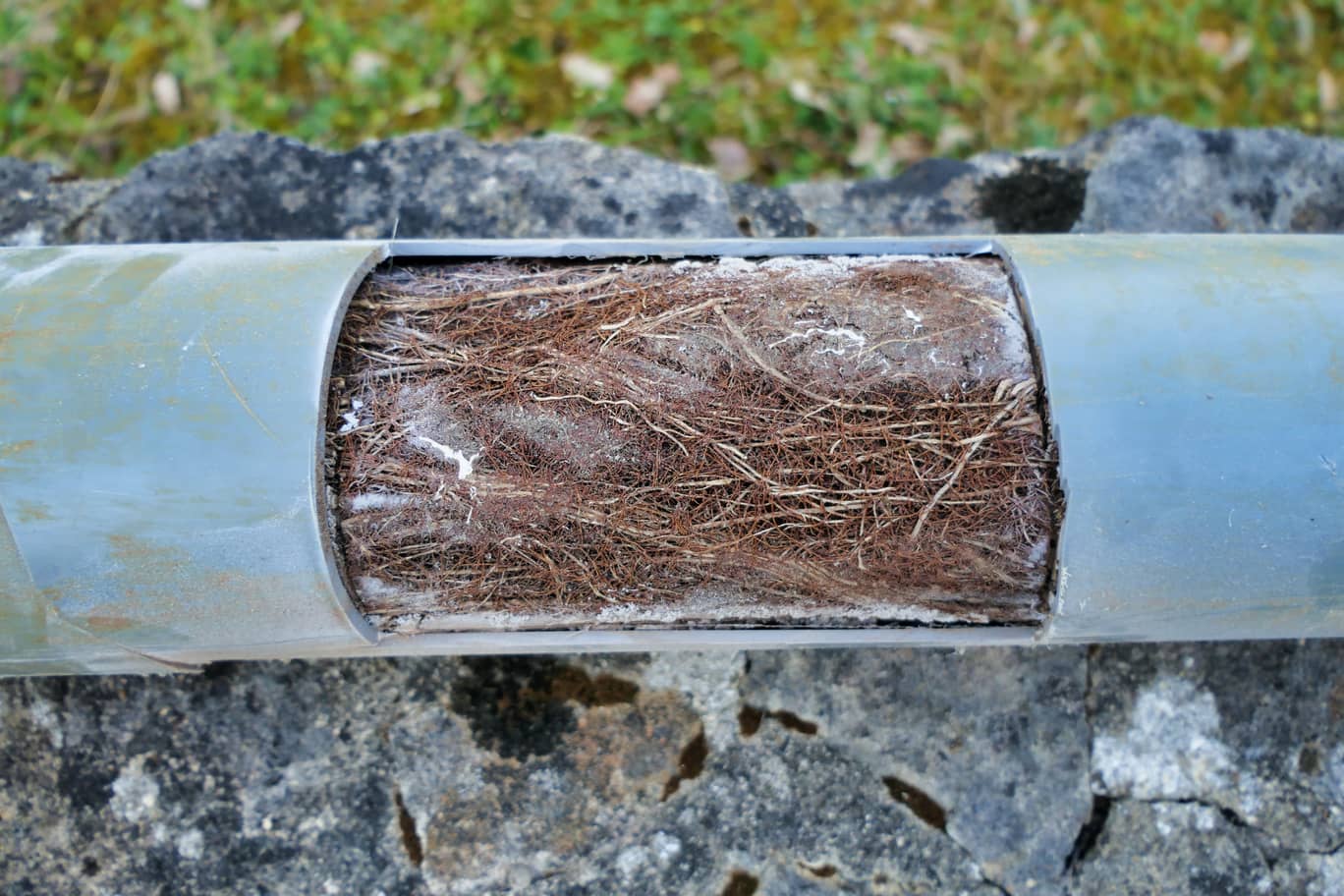
Tree roots are one of the most common causes of sewer line damage. Roots are naturally drawn to the moisture and nutrients found in sewer pipes. They can enter through tiny cracks or joints in the pipe and grow rapidly, eventually causing blockages or even crushing the pipe entirely. Older homes with clay or cast iron pipes are particularly vulnerable to root intrusion.
Aging and Deteriorating Pipes
Sewer pipes don't last forever. Clay pipes, common in homes built before the 1970s, can crack and crumble over time. Cast iron pipes can corrode and develop holes. Even PVC pipes can shift or separate at joints due to ground movement. If your home is more than 30-40 years old and has never had the sewer line replaced, it may be approaching the end of its lifespan.
Grease and Debris Buildup
Years of grease, soap scum, hair, and other debris flowing through your pipes can gradually build up along the walls of the sewer line, reducing its diameter and eventually causing a complete blockage. This type of buildup is particularly problematic in older pipes with rough interior surfaces.
Ground Shifting and Settling
Natural ground movement, construction activity, or soil erosion can cause sewer pipes to shift, sag, or develop "bellies" where wastewater collects and sediment builds up. These low spots create chronic blockage points that are difficult to clear with traditional methods.
What to Do If You Suspect a Sewer Line Problem
If you're experiencing any of the warning signs described above, don't wait for the problem to get worse. Here's what you should do:
- Stop using water: Minimize water usage to prevent further backups while you wait for professional help.
- Call a professional plumber: A licensed plumber can perform a video camera inspection to see exactly what's happening inside your sewer line.
- Get a proper diagnosis: Based on the camera inspection, your plumber can recommend the best course of action, whether that's hydro-jetting to clear a blockage, trenchless pipe repair, or a full sewer line replacement.
- Don't attempt DIY fixes: Chemical drain cleaners and store-bought augers are no match for main sewer line problems and can actually make things worse.
Pro Tip: If you have large trees near your sewer line, consider scheduling a preventive camera inspection every two to three years. Catching root intrusion early can save you thousands in repair costs compared to waiting until the line is completely blocked.
Suspect a sewer line problem? Plumb-All can diagnose and fix it!