
Signs You Need a Water Line Repair
Your main water line is the single most important pipe in your plumbing system. It carries all of the fresh water from your municipal supply or well into your home, feeding every faucet, shower, toilet, and appliance that uses water. Because the water line is buried underground and mostly out of sight, problems can develop slowly without you noticing until significant damage has already occurred.
Knowing the warning signs of a failing water line can help you catch problems early, saving you from costly emergency repairs and property damage. In this article, we'll cover the key indicators that your water line may need professional attention.
Warning Sign #1: Unexplained Drop in Water Pressure
One of the earliest and most noticeable signs of a water line problem is a sudden or gradual decrease in water pressure throughout your home. If only one fixture is affected, the issue is likely localized to that fixture or its supply line. However, if you notice low pressure at multiple faucets and showers simultaneously, the problem is likely in your main water line.
A crack, hole, or joint failure in the water line allows water to escape before it reaches your home, reducing the pressure available at your fixtures. Mineral buildup or corrosion inside an aging water line can also restrict flow and reduce pressure over time. If you've ruled out other causes like a partially closed shut-off valve or a municipal supply issue, it's time to have your water line inspected.
Warning Sign #2: Discolored Water
Clean, clear water is what you should see every time you turn on a faucet. If your water has taken on a brown, yellow, or rusty color, it could indicate that your water line is corroding from the inside. As metal pipes age, rust and sediment break loose and contaminate the water flowing through them.
It's worth noting that discolored water can also result from municipal maintenance or temporary disturbances in the water supply. If the discoloration clears up after running the water for a few minutes, it may be a temporary issue. But if it persists or occurs frequently, it's a strong indicator that your water line is deteriorating and needs to be evaluated by a professional.
Warning Sign #3: Unexplained Wet Spots in Your Yard
If you notice areas of your yard that are consistently soggy, muddy, or unusually green and lush compared to the surrounding grass, you may have a water line leak. The leaking water saturates the soil above the break, creating visible wet spots even during dry weather.
In some cases, you may even see water pooling on the surface or notice erosion along the path of your water line. These signs should never be ignored, as a leaking water line wastes a tremendous amount of water and can undermine your home's foundation, driveway, or landscaping over time.
Warning Sign #4: Spike in Your Water Bill
If your water bill has increased significantly without a corresponding change in your usage, a hidden leak is the most likely explanation. Even a small crack in your water line can waste thousands of gallons per month. Compare your recent bills to the same period in previous years to identify unusual increases.
You can perform a simple test to check for leaks: make sure all water fixtures and appliances in your home are turned off, then check your water meter. If the meter is still running, you have a leak somewhere in your system. Professional leak detection services can pinpoint the exact location of the leak without unnecessary digging.
Warning Sign #5: Strange Noises in Your Plumbing
Gurgling, hissing, or whistling sounds coming from your pipes when you turn on a faucet can indicate air entering the water line through a crack or break. These sounds are caused by air bubbles being pulled into the pipe at the point of damage and then being pushed through the system with the water.
While some pipe noise is normal, especially in older homes, new or unusual sounds should be investigated promptly. A small crack that allows air in today could become a major break tomorrow.
Warning Sign #6: Foundation Cracks or Shifting
A water line leak near or under your foundation can saturate the soil, causing it to shift and settle unevenly. This movement can lead to cracks in your foundation, walls, or floors. If you notice new cracks appearing in your home's foundation or interior walls, especially in combination with any of the other signs listed here, a water line leak could be the underlying cause.
Warning Sign #7: Recurring Sediment or Debris
If you frequently find sand, dirt, or sediment in your water, it could mean that your water line has a breach that's allowing soil to enter the pipe. This is especially common with older clay or concrete pipes that have cracked or had joints fail. The presence of sediment in your water is not only an inconvenience but can also damage your fixtures, appliances, and water heater over time.
Common Causes of Water Line Damage
Understanding what causes water line problems can help you assess your risk:
- Age: Most water lines last 40 to 80 years depending on the material. If your home is several decades old and still has the original water line, it may be nearing the end of its lifespan.
- Tree root intrusion: Tree roots naturally seek out sources of water. They can grow into tiny cracks in your water line, gradually expanding and breaking the pipe.
- Corrosion: Metal pipes corrode over time, especially in areas with aggressive soil chemistry or acidic water.
- Ground shifting: Soil movement from construction, earthquakes, drought, or heavy rains can put stress on your water line and cause it to crack or separate at the joints.
- Poor installation: Water lines that were not properly installed or used substandard materials are more prone to early failure.
What to Do If You Suspect a Problem
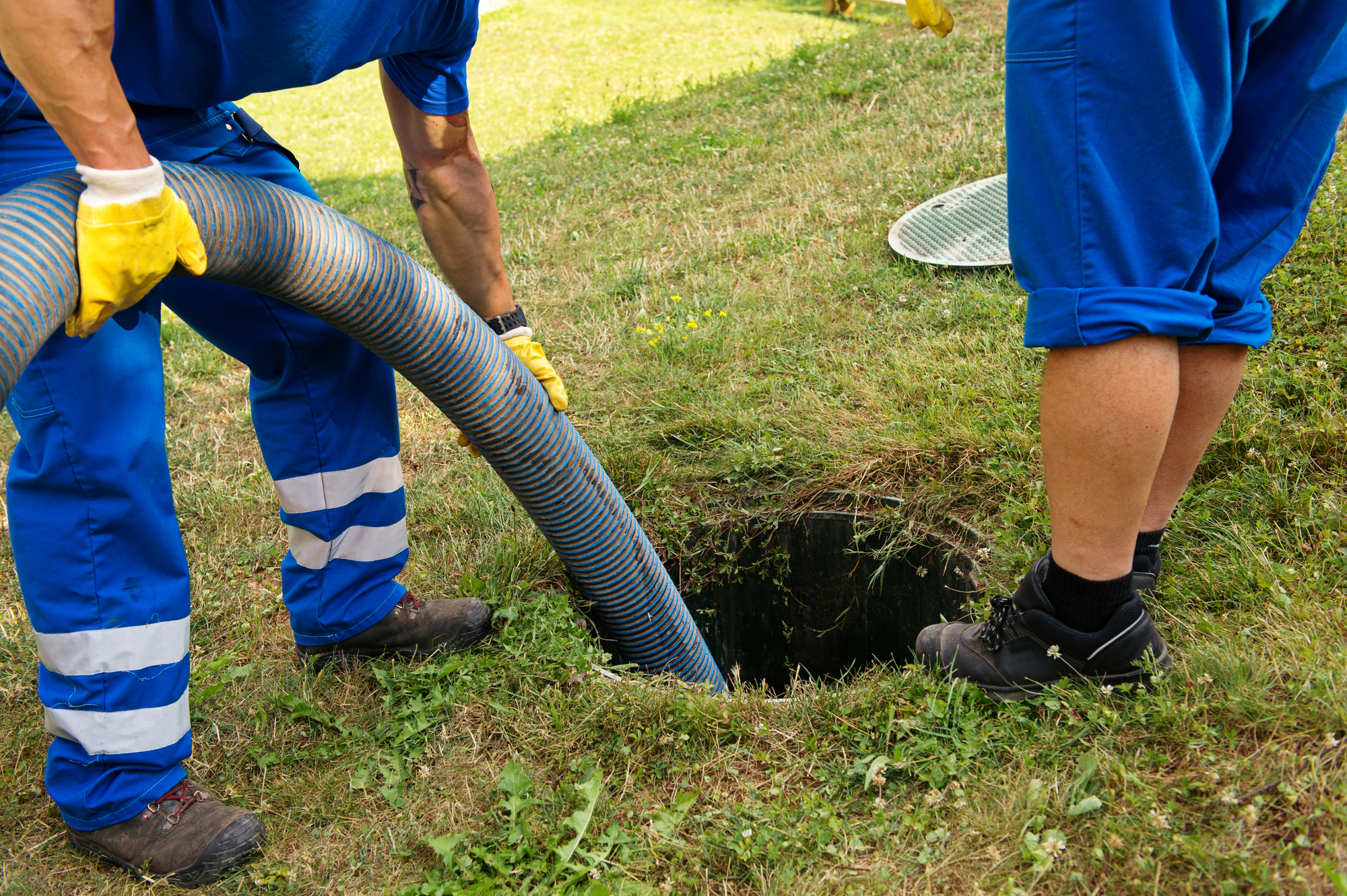
If you're experiencing any of the warning signs described above, don't wait for the problem to get worse. Contact a professional plumber who specializes in water line repair to schedule an inspection. Modern diagnostic techniques, including camera inspections and electronic leak detection, allow plumbers to locate and assess damage without digging up your entire yard.
Early detection and repair can save you thousands of dollars compared to waiting for a complete line failure. In many cases, targeted repairs can extend the life of your water line by years. In other cases, a full replacement may be the most cost-effective long-term solution.
Pro Tip: Know where your main water shut-off valve is located and test it at least once a year to make sure it works. In an emergency, being able to quickly shut off the water supply can prevent thousands of dollars in damage.
Concerned about your water line? Let us take a look!