

Sink Installation: What to Consider Before You Start
Whether you're remodeling a kitchen, updating a bathroom, or replacing a worn-out basin, installing a new sink is one of those projects that seems simple on the surface but involves more decisions than most homeowners expect. The sink you choose affects not just the look of the room but also how your plumbing connects, how your countertop is cut, and how easy the fixture will be to maintain for years to come.
Before you pick up a wrench or head to the home improvement store, it's worth understanding the different types of sinks available, the mounting styles that work with your countertop material, and the plumbing considerations that can make or break an installation. This guide covers everything you need to know so you can make informed decisions and avoid the most common pitfalls.
Understanding Sink Types
Sinks come in a wide variety of materials, each with its own advantages and drawbacks. Your choice of material will affect durability, maintenance requirements, cost, and aesthetics. Here are the most common options you'll encounter:
Stainless Steel
Stainless steel remains the most popular choice for kitchen sinks, and for good reason. It's durable, resistant to heat and stains, and relatively affordable. Stainless steel sinks are measured by gauge — the lower the gauge number, the thicker and more durable the steel. A 16- or 18-gauge sink will resist denting and dampen noise much better than a thinner 22-gauge model. Look for sinks with sound-dampening pads on the underside to reduce the noise of running water and clanking dishes.
Porcelain and Fireclay
Porcelain sinks, often found in bathrooms, offer a clean, classic look. Fireclay sinks — a type of ceramic fired at extremely high temperatures — are increasingly popular in kitchens, especially in farmhouse-style designs. Both materials are resistant to staining and easy to clean, but they can chip if heavy objects are dropped on them. Fireclay tends to be more durable and resistant to thermal shock than standard porcelain.
Composite and Granite
Composite sinks are made from a blend of natural stone (usually granite or quartz) and resin. They're extremely durable, scratch-resistant, and available in a wide range of colors. These sinks resist heat and stains well, though they may require occasional resealing depending on the manufacturer. They tend to be heavier than stainless steel, which is an important consideration for the mounting style and countertop support.
Cast Iron
Cast iron sinks are coated with a thick layer of enamel and are known for their exceptional durability and classic appearance. They can last for decades with proper care. However, they're extremely heavy — often 100 pounds or more — and require a countertop and cabinet structure strong enough to support the weight. The enamel coating can chip over time, exposing the iron underneath to rust if not promptly repaired.
Mounting Styles Explained
How your sink mounts to the countertop is just as important as the sink material itself. The mounting style determines the countertop cutout, the visual profile, and how easy the sink is to clean around. Not every mounting style works with every countertop material, so it's essential to plan ahead.
Drop-In (Top-Mount)
Drop-in sinks have a visible rim that sits on top of the countertop surface. The sink is lowered into a cutout from above, and the rim holds it in place. This is the easiest style to install and works with virtually any countertop material, including laminate. The downside is that the raised rim creates a seam where water and debris can collect, requiring regular cleaning to prevent buildup. Drop-in sinks are a practical choice for budget-friendly renovations and DIY installations.
Undermount
Undermount sinks attach to the underside of the countertop, creating a seamless edge that makes it easy to wipe crumbs and water directly into the basin. This style offers a sleek, modern look and is the preferred choice for granite, quartz, and solid surface countertops. However, undermount sinks are not recommended for laminate countertops because the exposed edge of the laminate will absorb moisture and swell over time. Installation requires precise cutouts and strong mounting hardware, making professional installation highly recommended.
Farmhouse (Apron-Front)
Farmhouse sinks feature a large, exposed front panel that extends past the edge of the countertop. They're a bold design statement and offer a deep, spacious basin that's ideal for large pots and pans. Installing a farmhouse sink typically requires a custom-built or modified cabinet because the sink sits forward of the standard countertop line. The cabinet must also be reinforced to support the significant weight of the sink, especially if it's made of fireclay or cast iron.
Wall-Mount and Pedestal
Common in bathrooms, wall-mount and pedestal sinks attach directly to the wall rather than sitting in a countertop. They're excellent for small spaces because they don't require a vanity cabinet. However, the plumbing supply lines and drain will be partially or fully visible, so careful attention to the finish and alignment of the pipes is important. Wall-mount installations require blocking inside the wall to support the weight of the sink.
Plumbing Requirements and Considerations
A new sink installation isn't just about the fixture itself — the plumbing beneath it needs to be compatible and up to code. Here are the key plumbing factors to evaluate before you begin:
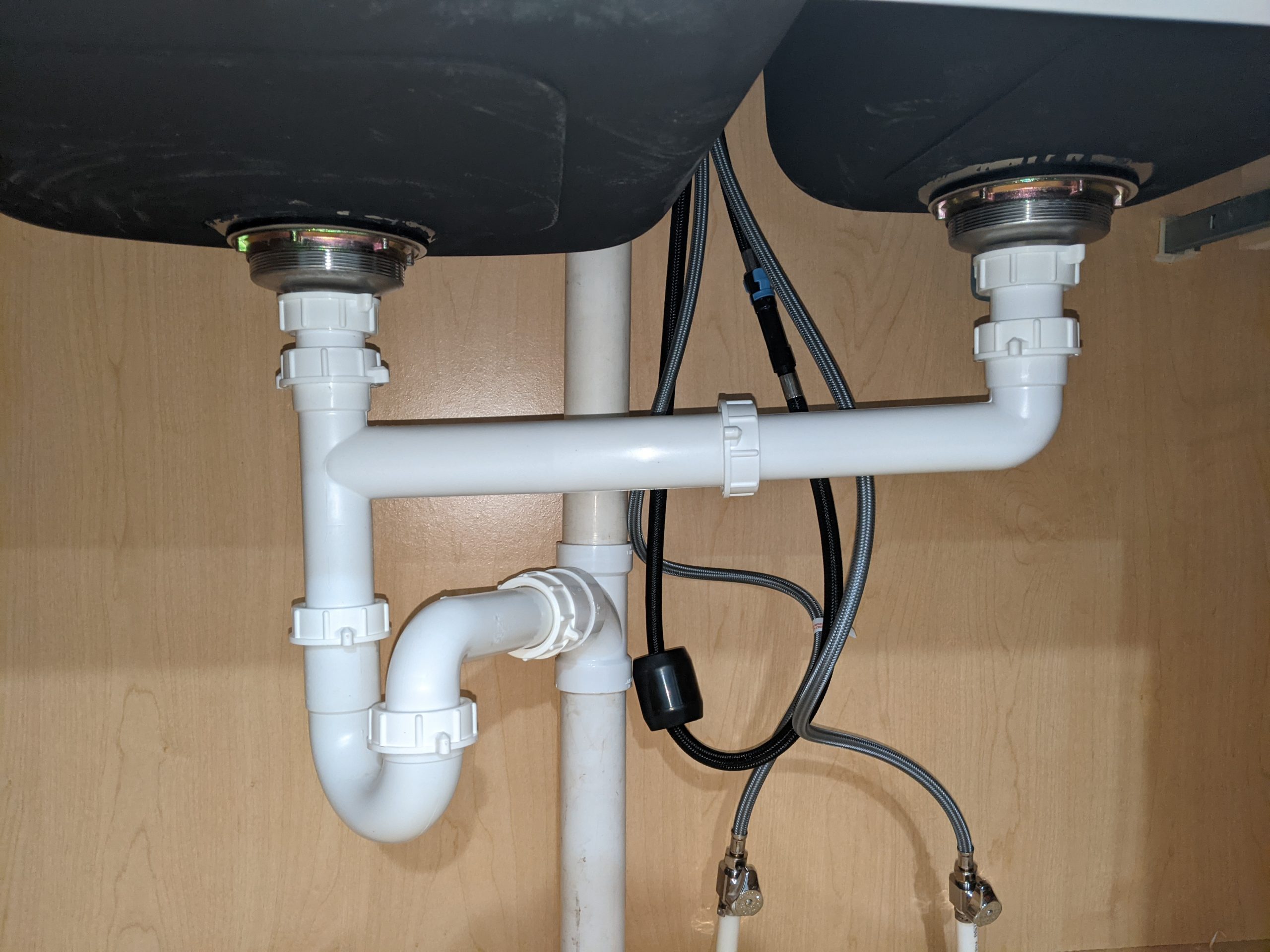
- Drain location: If your new sink has a different basin configuration (such as switching from a double bowl to a single bowl), the drain location may need to be adjusted. This can involve rerouting the drain pipe inside the wall or cabinet.
- Supply line compatibility: Check that your existing supply lines reach the new faucet connections. If you're changing the faucet position or upgrading to a different style, you may need new supply lines or adapters.
- Garbage disposal fitment: If you're adding or keeping a garbage disposal, make sure the new sink's drain opening is compatible. Most disposals require a standard 3.5-inch drain opening in the kitchen sink.
- Venting: Every sink drain requires proper venting to allow air into the drain system and prevent siphoning of the P-trap. If you're installing a sink in a new location, a vent connection must be added to meet building codes.
- Shut-off valves: Inspect the shut-off valves under the existing sink. If they're corroded, stiff, or leaking, replace them during the installation while the water is already turned off. It's much easier to address this now than after the new sink is in place.
Common Sink Installation Mistakes
Even experienced DIYers can run into trouble during a sink installation. Here are the most frequent mistakes and how to avoid them:
- Measuring incorrectly: Always measure the cabinet opening, countertop thickness, and sink dimensions before purchasing. A sink that's too large won't fit, and one that's too small may not cover an existing cutout. Double-check every measurement before making any cuts.
- Ignoring weight requirements: Heavy sinks like cast iron and fireclay need adequate structural support. Failing to reinforce the cabinet can lead to sagging or even a collapsed countertop over time.
- Using the wrong sealant: Silicone caulk is the standard for sealing sinks to countertops, but not all silicone is created equal. Use a kitchen- and bath-rated, mold-resistant silicone and apply it evenly to prevent water from seeping beneath the sink rim.
- Overtightening connections: Plumbing fittings, especially those on plastic drain assemblies, can crack if overtightened. Hand-tighten first, then use a wrench for just a quarter turn more. If a connection leaks, tighten it slightly rather than cranking it down.
- Forgetting to test before finishing: Always run water and check every connection for leaks before pushing everything back into the cabinet and declaring the job done. Let the water run for several minutes and check both the supply connections and the drain assembly thoroughly.
If you run into issues during installation or discover unexpected plumbing problems like corroded pipes or improper venting, our sink repair specialists can help you get things sorted out quickly and correctly.
When to Hire a Professional
Replacing a drop-in sink with the same size and configuration is a manageable DIY project for many homeowners. But if your installation involves cutting a new countertop opening, rerouting drain or supply lines, adding a garbage disposal, or installing an undermount or farmhouse sink, professional installation is strongly recommended. These tasks require precision, specialized tools, and knowledge of local plumbing codes.
A professional installer will also ensure that all connections are watertight, the sink is level and properly supported, and the work meets code requirements. Our plumbing installation team handles sink installations of every type and can help you navigate the choices that will work best for your home and budget.
Pro Tip: Before purchasing a new sink, place painter's tape on your countertop in the dimensions of the sink you're considering. This gives you a real-world sense of how much counter space it will take up and whether the size feels right for your daily use. It's a simple step that can save you from buyer's remorse.
Planning a sink installation? Let our experts handle the details!