
Tree Root Intrusion: How Roots Damage Your Pipes
Trees add beauty, shade, and value to your property, but beneath the surface, their roots can wreak havoc on your plumbing system. Tree root intrusion is one of the most common and destructive causes of sewer line damage, and it can happen slowly over many years before you notice any symptoms. By the time you realize there's a problem, the roots may have already caused significant damage to your pipes.
At Plumb-All, we regularly help homeowners deal with root intrusion issues. Understanding how roots enter your pipes, the warning signs to watch for, and the available solutions can help you protect your plumbing system and avoid costly emergency repairs.
How Tree Roots Enter Your Pipes
Tree roots are constantly searching for water and nutrients, and your sewer and drain pipes are an irresistible target. These pipes carry warm water rich in nutrients and oxygen, and roots can detect the moisture that escapes through tiny cracks, loose joints, or porous pipe materials from surprisingly far away.
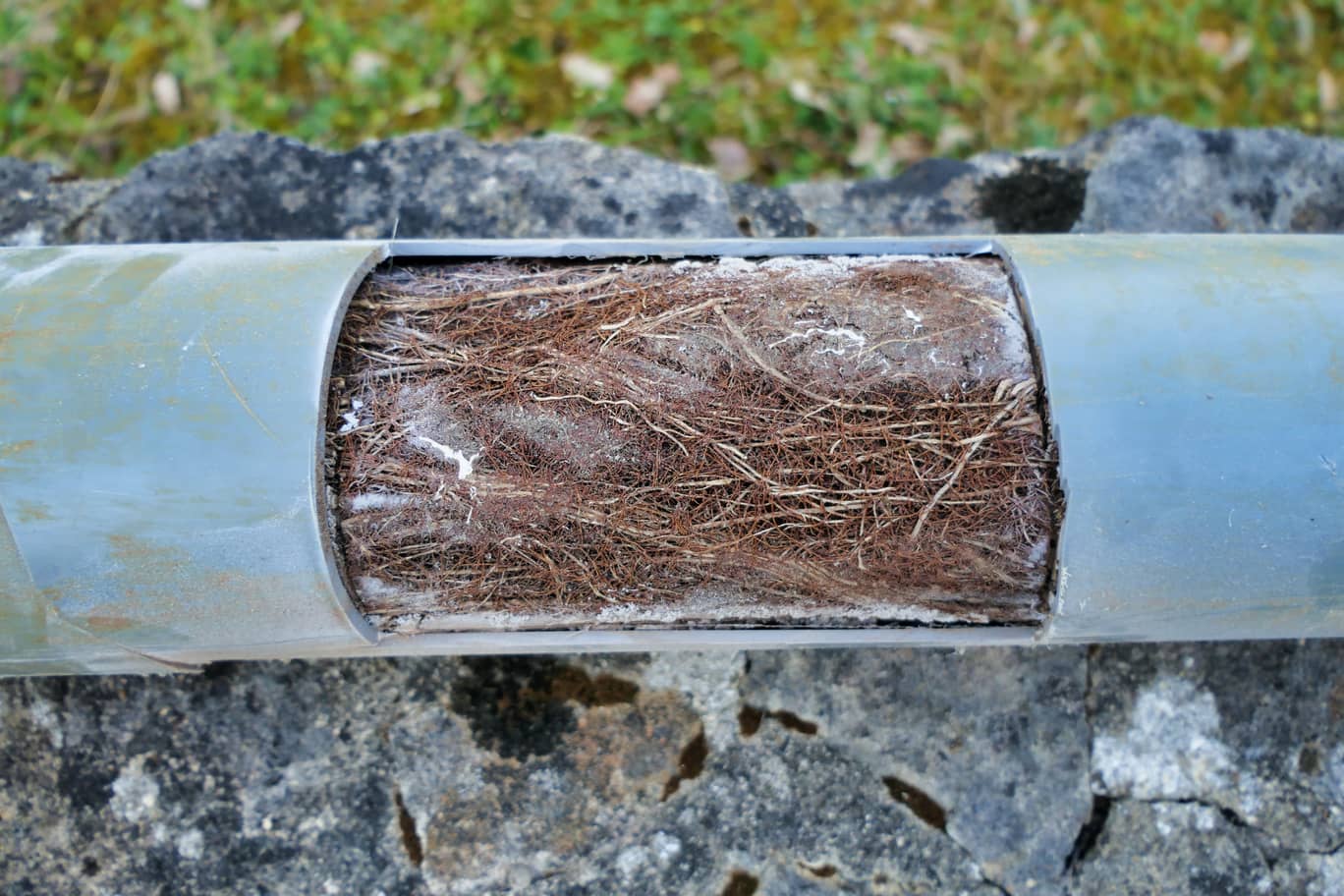
The process typically begins when a small, hair-thin root finds its way through a crack, joint gap, or connection point in the pipe. Once inside, the root encounters an ideal growing environment: a steady supply of water, nutrients, and warmth. The root grows rapidly, branching out and forming a dense mat that traps grease, toilet paper, and other debris flowing through the pipe. Over time, this mass grows large enough to significantly reduce flow or completely block the pipe.
As the roots continue to grow, they can exert enormous pressure on the pipe walls, causing small cracks to widen, joints to separate, and in severe cases, the pipe to collapse entirely. Different pipe materials are vulnerable in different ways:
- Clay pipes: Common in older homes, clay pipes are highly porous and have numerous joints where roots can enter. They are also relatively brittle and prone to cracking under root pressure.
- Cast iron pipes: While more durable than clay, cast iron pipes corrode over time, creating rough surfaces and weak spots where roots can gain entry.
- PVC pipes: Modern PVC pipes are more resistant to root intrusion because they have fewer joints and smoother surfaces, but roots can still enter through improperly sealed connections.
- Orangeburg pipes: Made from compressed wood fibers and tar, these pipes were used from the 1940s through the 1970s and are extremely vulnerable to root intrusion and collapse.
Warning Signs of Root Intrusion
Root intrusion typically develops gradually, so the symptoms may start mild and worsen over time. Here's what to watch for:
- Slow drains: As roots reduce the pipe's internal diameter, water drains more and more slowly. This is often the first noticeable symptom.
- Recurring clogs: If you're clearing the same drain repeatedly, roots may be the underlying cause. The root mass catches debris and rebuilds the clog quickly after each clearing.
- Gurgling sounds: Roots and trapped debris create air pockets in the pipe, producing bubbling or gurgling noises when water flows through.
- Sewage backups: In advanced cases, roots can completely block the pipe, causing sewage to back up into your home through the lowest drains.
- Sinkholes or soggy spots: A collapsed or severely damaged pipe can cause the ground above it to settle, creating depressions or persistently wet areas in your yard.
- Lush patches of grass: An area of your lawn that's significantly greener and thicker than the surrounding grass may indicate a leaking pipe providing extra nutrients to the soil.
Root Removal Methods
Mechanical Cutting
A mechanical auger or root-cutting machine uses a rotating blade to cut through roots inside the pipe. This method is effective for clearing blockages and restoring flow, but it's a temporary solution because the roots will grow back. Most homeowners who rely on mechanical cutting need to repeat the process every one to two years.
Hydro-Jetting
Professional hydro-jetting uses high-pressure water (up to 4,000 PSI) to blast roots, grease, and debris out of the pipe. Hydro-jetting is more thorough than mechanical cutting because it cleans the entire interior surface of the pipe, removing not just the roots but also the buildup they've been trapping. This method can provide longer-lasting results, though roots will eventually grow back if the pipe isn't repaired.
Chemical Root Treatment
Copper sulfate and foaming root killers can be flushed into the sewer line to kill roots that have entered the pipe. These treatments work by poisoning the roots on contact without harming the tree itself. Chemical treatments are most effective as a preventive measure or follow-up to mechanical cutting, rather than as a primary solution for severe intrusions.
Pipe Repair or Replacement
If roots have caused significant damage to your pipes, clearing the roots alone won't solve the problem. The damaged sections need to be repaired or replaced to prevent roots from re-entering. Modern trenchless repair methods, such as pipe lining and pipe bursting, can often restore your sewer line without the need for extensive excavation.
Preventing Root Intrusion
While you can't stop trees from growing roots, you can take steps to minimize the risk of root intrusion into your plumbing:
- Know your sewer line location: Before planting trees, find out where your sewer and water lines run. Plant trees well away from these lines, ideally at a distance equal to or greater than the tree's expected mature height.
- Choose slow-growing species: When planting near utility lines, choose trees and shrubs with less aggressive root systems. Avoid willows, silver maples, poplars, and elms, which are known for invasive roots.
- Install root barriers: Physical root barriers made of metal or heavy plastic can be buried along the sewer line to redirect root growth away from the pipe.
- Maintain your pipes: Regular drain cleaning and camera inspections can catch early root intrusion before it becomes a major problem.
- Upgrade old pipes: If your home has clay or Orangeburg pipes, consider upgrading to modern PVC, which is much more resistant to root intrusion.
Pro Tip: Schedule a sewer camera inspection every two to three years, especially if you have mature trees near your sewer line. A camera inspection costs a fraction of what a root-damaged pipe replacement costs and lets you catch problems while they're still manageable.
Dealing with tree root intrusion? Plumb-All can clear and repair your pipes!