
Water Conservation Tips for Metro Atlanta Homeowners
Water is one of our most valuable resources, and here in Metro Atlanta, conservation isn't just a nice idea — it's a necessity. Georgia has experienced periodic drought conditions, and even in years with normal rainfall, the demand on our water supply continues to grow as the region's population expands. The good news is that reducing your household water usage doesn't require drastic lifestyle changes. With a few smart upgrades and mindful habits, you can significantly cut your water consumption, lower your utility bills, and help protect our local water resources.
Whether you're looking to make small changes or invest in bigger upgrades, these water conservation tips will help you get started.
Understanding Your Water Usage
The average American household uses about 300 gallons of water per day, according to the Environmental Protection Agency. The biggest water consumers in most homes are toilets, showers, faucets, and washing machines. Outdoor water use — especially lawn irrigation — can account for 30 percent or more of total household consumption during the summer months.
Before you start making changes, it helps to understand where your water is going. Review your water bills from the past several months and look for patterns. A sudden spike in usage without an obvious explanation could indicate a hidden leak. If you suspect a leak, scheduling a professional leak detection service can identify the source and prevent wasted water and money.
Install Low-Flow Fixtures
One of the most effective ways to reduce water usage is to replace older fixtures with modern low-flow alternatives. Today's low-flow fixtures are engineered to deliver strong performance while using significantly less water than older models.
Low-Flow Showerheads
Standard showerheads can use 2.5 gallons per minute or more, while WaterSense-labeled low-flow showerheads use 2.0 gallons per minute or less without sacrificing water pressure. For a family of four, switching to a low-flow showerhead can save more than 2,700 gallons per year. Modern designs use aerating technology or laminar flow to maintain a satisfying shower experience while using less water.
Low-Flow Faucet Aerators
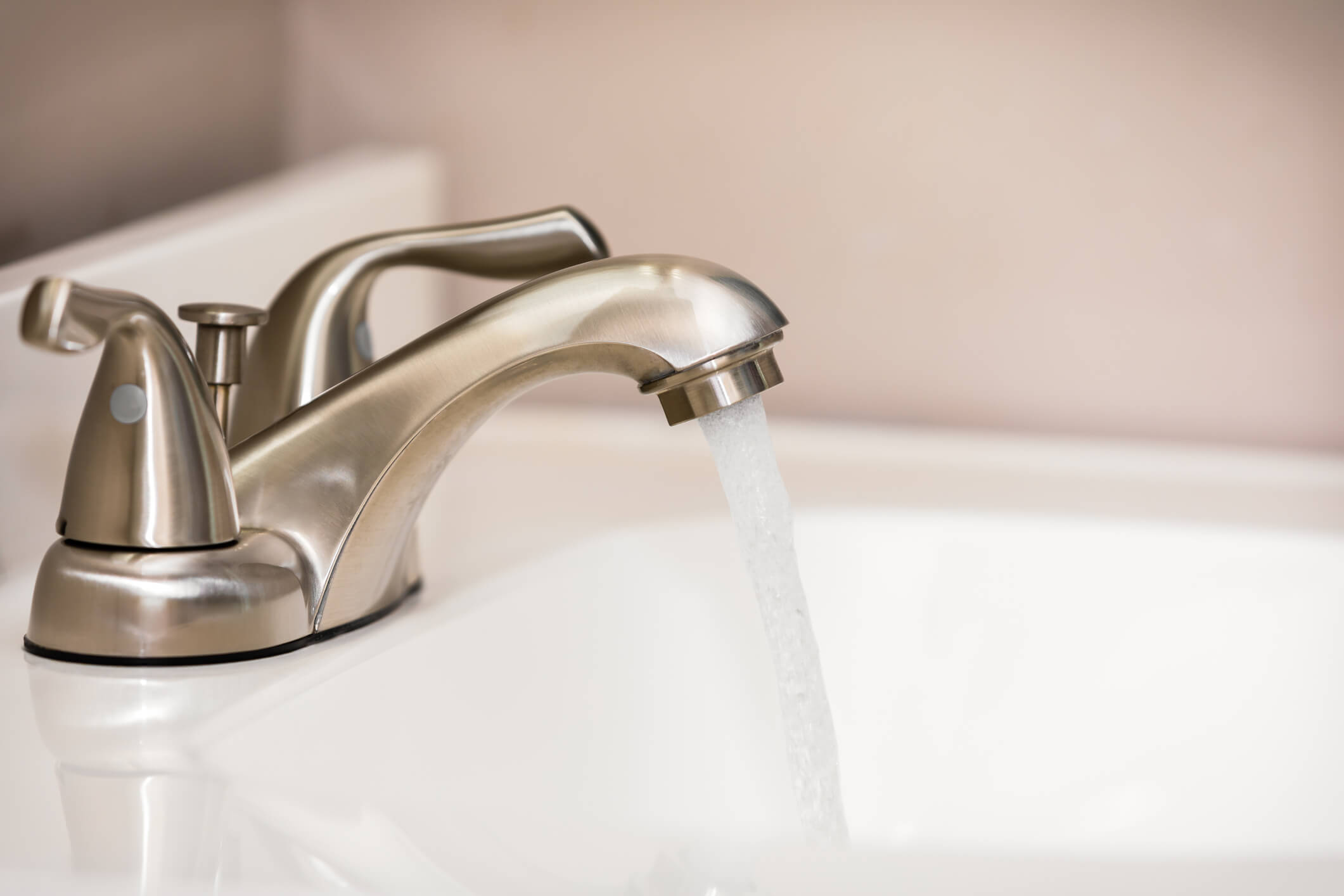
Faucet aerators are small, inexpensive devices that screw onto the tip of your faucet and mix air into the water stream. A standard bathroom faucet flows at about 2.2 gallons per minute, but a WaterSense-labeled aerator can reduce that to 1.5 gallons per minute or less. They cost just a few dollars each and take minutes to install, making them one of the best return-on-investment upgrades you can make.
High-Efficiency Toilets
Toilets are the single largest water consumer in most homes, accounting for nearly 30 percent of indoor water use. Older toilets can use 3.5 to 7 gallons per flush, while modern high-efficiency toilets use just 1.28 gallons or less. Dual-flush models offer even more savings by providing a lower-volume flush option for liquid waste. Replacing even one old toilet can save thousands of gallons per year.
Fix Leaks Promptly
Leaks are one of the most common — and most overlooked — sources of water waste. A faucet that drips once per second wastes more than 3,000 gallons per year. A running toilet can waste 200 gallons per day or more. Even small leaks in supply lines, valves, or pipe connections can add up to significant water loss over time.
Make it a habit to check your home for leaks regularly. Inspect faucets, showerheads, toilet tanks, supply lines under sinks, and any visible pipes in basements, crawl spaces, or utility rooms. Don't forget to check outdoor faucets and irrigation connections as well. If you find a leak you can't fix yourself, schedule a plumbing repair before the problem — and your water bill — gets worse.
- Check your toilet for silent leaks by placing a few drops of food coloring in the tank — if color appears in the bowl within 15 minutes without flushing, you have a leak
- Inspect washing machine hoses for bulging, cracking, or dripping at the connections
- Look for wet spots or discoloration on walls and ceilings that could indicate hidden pipe leaks
- Monitor your water meter before and after a two-hour period when no water is being used — if the reading changes, you likely have a leak
Upgrade to Efficient Appliances
When it's time to replace your washing machine or dishwasher, choose ENERGY STAR-certified models. These appliances are designed to use less water and energy without compromising cleaning performance.
A standard top-loading washing machine can use 40 gallons or more per load, while a high-efficiency front-loading model uses as little as 15 gallons. Over the course of a year, that savings adds up quickly for a busy household. Similarly, modern ENERGY STAR dishwashers use as little as 3 gallons per cycle compared to 6 gallons or more for older models — and they actually use less water than hand-washing dishes in most cases.
Smart Outdoor Watering Tips
Outdoor water use is where many Metro Atlanta homeowners have the greatest opportunity to conserve. Lawn and garden irrigation can account for a massive portion of your summer water bill, but a few adjustments can drastically reduce that usage.
Water at the Right Time
Water your lawn and garden early in the morning, ideally before 10 a.m. This allows water to soak into the soil before the heat of the day causes evaporation. Watering in the evening can also work but may encourage fungal growth since moisture sits on grass and plants overnight.
Water Deeply and Less Frequently
Most lawns need about one inch of water per week, including rainfall. Watering deeply once or twice a week encourages deeper root growth, which makes grass more drought-resistant than daily shallow watering. Use a rain gauge or empty tuna can placed in the sprinkler zone to measure how much water you're applying.
Use Smart Irrigation Technology
Smart irrigation controllers adjust watering schedules based on weather conditions, soil moisture levels, and plant types. Many models connect to local weather data and automatically skip watering when rain is expected. Drip irrigation systems deliver water directly to plant root zones, reducing waste from evaporation and overspray.
- Adjust sprinkler heads so they water the lawn, not the driveway or sidewalk
- Use mulch around trees, shrubs, and garden beds to retain soil moisture and reduce evaporation
- Consider replacing thirsty turf grass with native or drought-tolerant plants in areas that are difficult to irrigate
- Install a rain barrel to capture roof runoff for garden watering
Daily Habits That Save Water
Beyond upgrades and installations, small daily habits can have a meaningful impact on your water usage. Turn off the faucet while brushing your teeth or shaving. Take shorter showers — even reducing your shower time by two minutes can save hundreds of gallons per month. Run the dishwasher and washing machine only with full loads. Keep a pitcher of drinking water in the refrigerator instead of running the tap until it gets cold.
Pro Tip: A family of four can save up to 8,000 gallons of water per year just by turning off the faucet while brushing teeth and switching to shorter showers. Combine that with low-flow fixtures and efficient appliances, and the savings grow even faster.
Every Drop Counts
Water conservation doesn't have to be complicated or inconvenient. By making a few smart upgrades and adopting mindful habits, Metro Atlanta homeowners can significantly reduce their water usage, lower their utility bills, and do their part to protect our regional water supply. If you need help installing low-flow fixtures, repairing leaks, or upgrading your plumbing for better efficiency, our team is here to help.
Ready to save water and money? Let us help!