
Water Heater Repair vs. Replacement: How to Decide
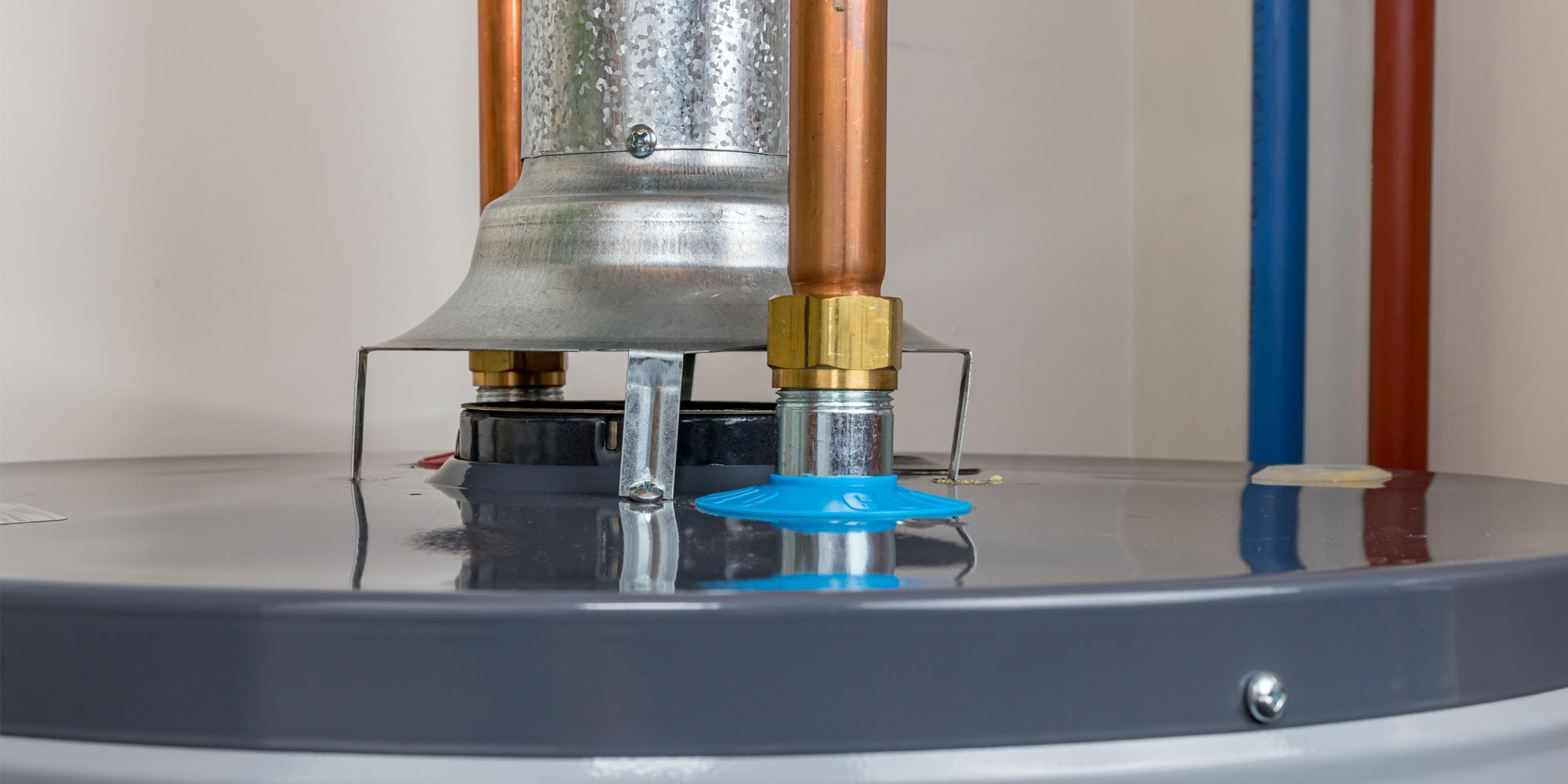
When your water heater starts acting up, one of the first questions homeowners face is whether to repair or replace the unit. It's a decision that can significantly impact your comfort, your energy bills, and your wallet. At Plumb-All, we help Metro Atlanta homeowners navigate this decision every day. Here's what you need to know to make the right call.
Consider the Age of Your Water Heater
The age of your water heater is one of the most important factors in the repair-vs.-replace decision. Most traditional tank water heaters have a lifespan of 8 to 12 years. If your unit is approaching or has passed that range, investing in a costly repair may not make financial sense. Even if a repair fixes the immediate issue, an aging water heater is more likely to develop additional problems in the near future.
You can find the age of your water heater by checking the serial number on the manufacturer's label. Many manufacturers encode the production date in the first few digits of the serial number. If you're unsure how to read it, a Plumb-All technician can help you determine the age of your unit during an inspection.
The 50% Rule: Repair Cost vs. Replacement Cost
A common guideline in the plumbing industry is the 50% rule: if the cost of repairing your water heater exceeds 50% of the cost of a new unit, replacement is usually the smarter investment. For example, if a new water heater costs $1,200 and the repair estimate comes in at $700 or more, you're better off putting that money toward a brand-new system with a full warranty.
Pro Tip: Don't forget to factor in the age of your unit when applying the 50% rule. A $300 repair on a 10-year-old water heater may technically fall under the threshold, but you could be facing another expensive repair within a year or two.
Signs It's Time to Replace Your Water Heater
Certain warning signs indicate that your water heater is nearing the end of its useful life. If you notice any of the following, replacement is likely your best option:
- Rust-colored water: Rusty or discolored hot water often means the tank is corroding from the inside. Once corrosion sets in, it's only a matter of time before the tank develops a leak.
- Frequent repairs: If you've called for service multiple times in the past year or two, those repair bills are adding up. A new unit eliminates the cycle of recurring breakdowns.
- Rising energy bills: As water heaters age, they lose efficiency. If your energy costs have been climbing without a clear explanation, your water heater could be working harder than it should to heat the same amount of water.
- Visible leaking or pooling water: A leak at the base of the tank usually signals internal failure. This is not typically repairable and can cause water damage to your home if not addressed promptly.
- Strange noises: Rumbling, popping, or banging sounds are often caused by sediment buildup at the bottom of the tank. While flushing the tank can sometimes help, persistent noise in an older unit suggests it's time for a replacement.
When Repair Makes Sense
Not every water heater problem calls for a full replacement. In many cases, a straightforward repair can extend the life of your unit by several years. Repair is usually the right choice when:
- The unit is relatively new: If your water heater is less than five or six years old and still under warranty, repairing it is almost always the better option.
- The issue is minor: Problems like a faulty thermostat, a worn-out heating element, or a malfunctioning pressure relief valve are common, affordable fixes that don't indicate broader system failure.
- There's no sign of tank corrosion: If the tank itself is in good condition and the problem is limited to a replaceable component, a repair will likely get you back to reliable hot water quickly.
Pro Tip: Regular maintenance, such as flushing the tank annually and inspecting the anode rod, can help prevent many common water heater problems and extend the life of your unit.
Tank vs. Tankless: Is It Time for an Upgrade?
If you've decided that replacement is the way to go, it's worth considering whether a tankless water heater might be a good fit for your home. Tankless units heat water on demand rather than storing it in a tank, which can lead to significant energy savings over time. They also tend to last longer than traditional tank models—up to 20 years with proper maintenance.
However, tankless water heaters have a higher upfront cost and may require modifications to your home's gas or electrical systems. The right choice depends on your household's hot water usage, your budget, and your long-term plans. For a detailed comparison, check out our guide to tankless water heaters.
Affordable Options and Financing
We understand that a water heater replacement can be an unexpected expense. That's why Plumb-All offers flexible financing options to help Metro Atlanta homeowners manage the cost of a new system without breaking the bank. Whether you choose a traditional tank or a tankless unit, we'll work with you to find a solution that fits your budget.
Let Plumb-All Help You Decide
Choosing between repairing and replacing your water heater doesn't have to be stressful. Our experienced technicians will inspect your unit, explain your options, and give you an honest recommendation based on what's best for your home—not what's best for our bottom line. We provide upfront pricing so there are no surprises, and we stand behind our work with solid warranties.
Learn more about our water heater replacement services or contact us today to schedule an inspection.
Need help deciding whether to repair or replace your water heater? Get a free estimate from Plumb-All today.