
Water Heater Temperature: Finding the Right Setting
Your water heater's temperature setting affects more than just how hot your showers are. It plays a critical role in your family's safety, your energy bills, and even the health of your plumbing system. Setting the temperature too high can lead to scalding injuries and wasted energy, while setting it too low can allow dangerous bacteria to thrive inside the tank. Finding the right balance is essential for every homeowner.
At Plumb-All, we help homeowners optimize their water heater settings for safety, efficiency, and longevity. Whether you have a traditional tank water heater or a newer model, this guide will help you understand the ideal temperature setting and how to adjust it.
The Recommended Temperature
The U.S. Department of Energy recommends setting your water heater to 120 degrees Fahrenheit. This temperature is widely considered the best balance between safety, bacteria prevention, and energy efficiency. At 120 degrees, the water is hot enough to effectively clean dishes, kill most household germs, and provide comfortable showers, while also being low enough to significantly reduce the risk of scalding.
However, the ideal setting for your home may vary depending on your specific circumstances. Here's a closer look at the factors you should consider:
Safety: Preventing Scalds
Scalding is a serious concern, particularly in households with young children, elderly family members, or anyone with reduced sensitivity to temperature. Water at 140 degrees Fahrenheit can cause a third-degree burn in just five seconds. At 130 degrees, it takes about 30 seconds. At the recommended 120 degrees, the risk of serious scalding is dramatically reduced, as it takes several minutes of direct contact to cause a burn.
According to the American Burn Association, tap water scalds account for a significant percentage of burn injuries treated in hospitals each year, and the majority of these injuries occur in children under five and adults over 65. If your household includes vulnerable individuals, keeping your water heater at 120 degrees or installing anti-scald devices on faucets and showerheads is strongly recommended.
Bacteria Prevention: The Legionella Factor
On the other end of the spectrum, setting your water heater too low can create a health risk of a different kind. Legionella bacteria, which cause Legionnaires' disease (a severe form of pneumonia), can grow in water heaters set below 120 degrees Fahrenheit. Legionella thrives in warm, stagnant water between 77 and 113 degrees, and it can be inhaled when contaminated water is aerosolized, such as during a shower.
At 120 degrees, Legionella growth is significantly inhibited but not entirely eliminated. At 140 degrees, the bacteria are killed within minutes. This is why some health professionals recommend a higher setting of 140 degrees, particularly for households with immunocompromised individuals. If you choose the higher setting for bacteria protection, consider installing thermostatic mixing valves at the point of use to blend cold water in and deliver safer temperatures at the faucet.
Energy Savings
Your water heater is typically the second-largest energy consumer in your home, accounting for 14-18% of your total energy costs. Every 10-degree reduction in water temperature can save 3-5% on your water heating costs. Lowering your setting from 140 to 120 degrees could save you $36-$61 per year, depending on your fuel type and local energy rates.
Beyond the thermostat setting, there are additional ways to reduce water heating costs:
- Insulate the tank: Adding an insulating blanket to your water heater can reduce standby heat loss by 25-45%, saving you 7-16% on water heating costs.
- Insulate hot water pipes: Insulating the first six feet of hot and cold water pipes connected to the tank reduces heat loss and can raise water temperature at the faucet by 2-4 degrees.
- Use less hot water: Low-flow showerheads and faucet aerators reduce hot water consumption without sacrificing water pressure.
- Maintain the tank: Regular flushing of your water heater removes sediment that acts as an insulator between the heating element and the water, reducing efficiency.
How to Check and Adjust Your Water Heater Thermostat
Many homeowners don't know their current water heater temperature because the thermostat dials on most models are imprecise or unlabeled. Here's how to check and adjust your setting:
Step 1: Check the Current Temperature
Run hot water from a faucet nearest to your water heater for at least two minutes to ensure you're getting the hottest water the tank can produce. Use a cooking thermometer or a digital meat thermometer to measure the temperature of the water stream. This gives you an accurate reading regardless of what the thermostat dial says.
Step 2: Locate the Thermostat
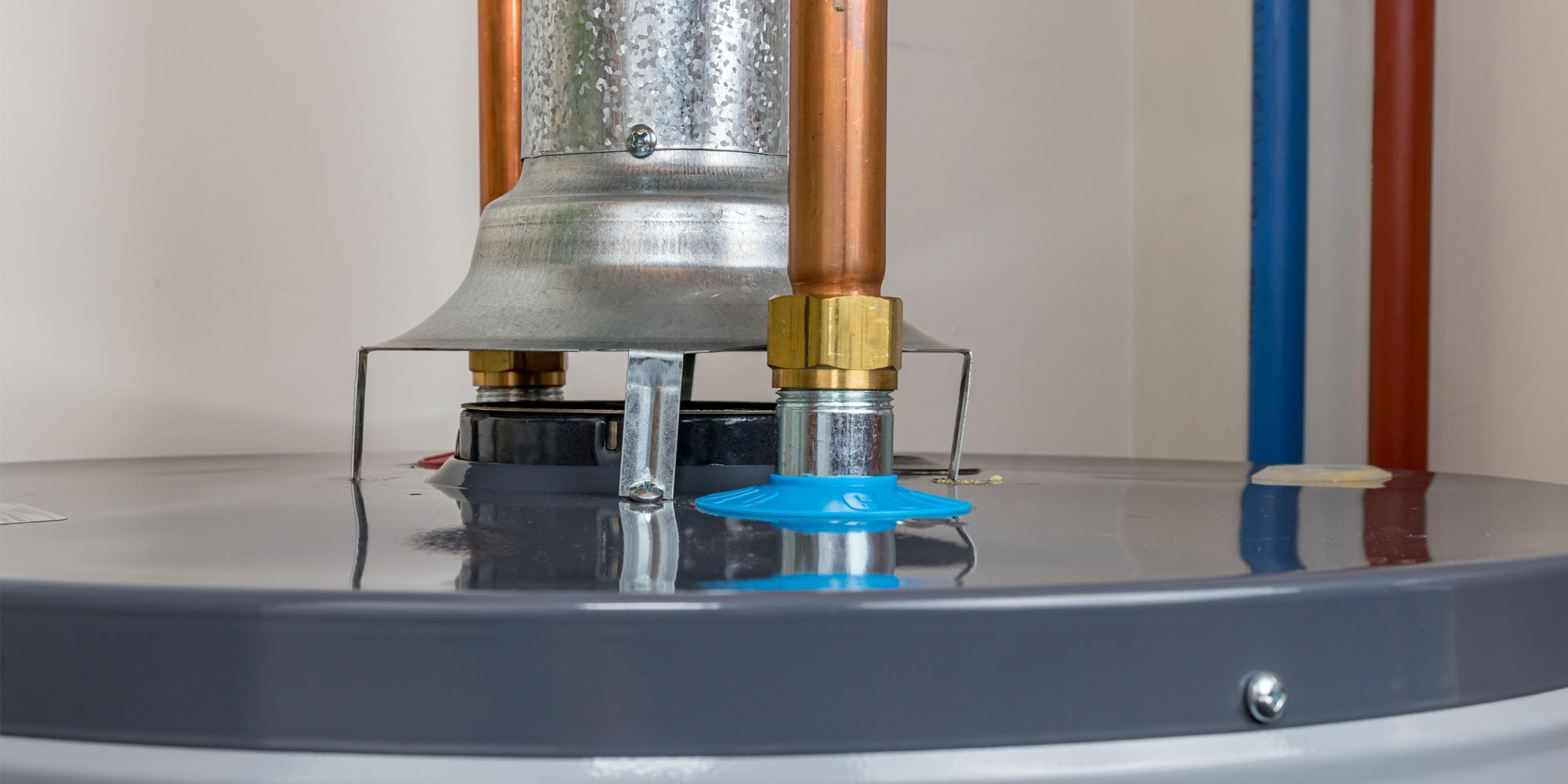
On a gas water heater, the thermostat is usually a dial located near the bottom of the tank on the gas valve. On an electric water heater, there are typically two thermostats (upper and lower) located behind access panels on the side of the tank. You'll need a screwdriver to remove the panels and may need to push aside insulation to reach the adjustment screws.
Step 3: Make the Adjustment
For gas water heaters, simply turn the dial to your desired temperature. For electric water heaters, turn off the power at the circuit breaker before adjusting the thermostats with a flathead screwdriver. Adjust both the upper and lower thermostats to the same temperature. After making your adjustment, wait 24 hours and test the water temperature again to verify.
When to Consider a Water Heater Upgrade
If your water heater is more than 8-12 years old, it may be losing efficiency regardless of the temperature setting. Older units accumulate sediment, develop corroded components, and work harder to maintain temperature. If you're spending more on energy bills and getting less hot water, it may be time to explore your options for a water heater replacement. Modern water heaters are significantly more energy-efficient and can pay for themselves through reduced energy costs over time.
Pro Tip: If you're going on vacation for more than a few days, switch your gas water heater to "vacation" or "pilot" mode, or lower the thermostat to the minimum setting on an electric unit. This prevents the heater from maintaining a high temperature while no one is using hot water, saving energy without turning the unit completely off.
Need help with your water heater? Plumb-All is ready to assist!