


What Are Mound Septic Systems?
Not every property has the ideal soil conditions for a conventional septic system. When the water table is too high, bedrock is too close to the surface, or the soil doesn't percolate well enough to filter wastewater naturally, a standard drain field simply won't work. That's where mound septic systems come in. These engineered solutions provide effective wastewater treatment for properties that would otherwise be unsuitable for on-site septic disposal.
Mound systems are one of several alternative septic solutions available to homeowners. While they cost more to install and require more careful maintenance than conventional systems, they make it possible to build and live on properties that would otherwise lack viable wastewater options.
How Mound Septic Systems Work
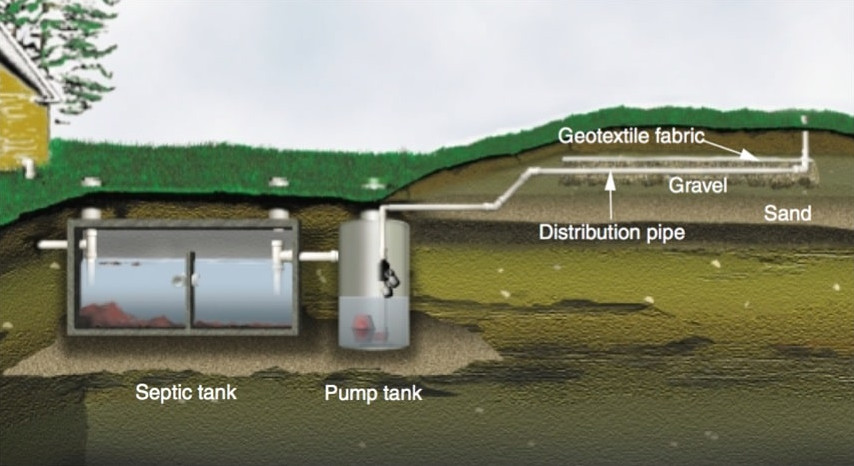
A mound septic system operates on the same basic principles as a conventional septic system, but with a critical difference in how the drain field is constructed. Instead of burying distribution pipes below ground level, a mound system builds the drain field above the natural ground surface using a carefully engineered mound of sand, gravel, and topsoil.
The system works in stages. First, wastewater flows from your home into a septic tank, where solids settle and initial treatment occurs, just like a conventional system. From the tank, the liquid effluent moves to a dosing chamber equipped with a pump. The pump sends measured doses of effluent up to the mound at timed intervals, ensuring even distribution across the entire absorption area.
Inside the mound, the effluent passes through layers of sand and gravel, which filter and treat the wastewater before it reaches the native soil below. The elevated mound provides the additional separation distance between the effluent and the water table or bedrock that the natural soil cannot. By the time the treated water reaches groundwater, it has undergone extensive natural filtration.
When Is a Mound System Needed?
A mound septic system is typically required when a site evaluation reveals conditions that prevent a conventional system from functioning safely. The most common situations include:
- High water table: When groundwater sits within a few feet of the surface, there isn't enough soil depth to adequately filter effluent before it reaches the water table. A mound provides the additional vertical distance needed.
- Shallow bedrock: Properties with rock close to the surface lack sufficient soil depth for a conventional drain field. The mound creates an artificial soil layer above the rock.
- Poor soil percolation: Clay-heavy soils, which are common throughout Georgia, may drain too slowly for a conventional system. The sand fill in a mound provides better drainage characteristics.
- Small lot size: When a property doesn't have enough suitable area for a conventional drain field, a mound system's compact footprint can sometimes fit where a standard field cannot.
- Environmental sensitivity: Properties near lakes, streams, or wetlands may require the enhanced treatment that a mound system provides to protect water quality.
The Installation Process
Site Evaluation and Permitting
Before installation begins, a thorough site evaluation determines the soil conditions, water table depth, slope, and available space. Soil scientists or environmental health specialists conduct percolation tests and soil borings to characterize the site. This information guides the system design and is required for permitting. In Georgia, the county health department must approve the system design before installation can proceed.
Construction of the Mound
Building the mound requires precision. The natural ground surface is first prepared, often by tilling to improve the connection between the mound fill and the native soil. A layer of clean, graded sand is then placed to form the absorption bed. Distribution pipes are laid within the sand layer, connected to a manifold and the dosing pump. The entire assembly is covered with additional sand, a barrier fabric to prevent soil from migrating into the sand layer, and finally a layer of topsoil that is seeded with grass.
The finished mound typically rises 2 to 4 feet above the surrounding ground and covers a significant area, often 50 to 100 feet long and 20 to 30 feet wide, depending on the home's wastewater volume and the site conditions. While the mound is visible on the property, it can be landscaped with grass to blend into the yard. However, trees, shrubs, and gardens should never be planted on the mound.
Installation Costs
Mound systems are more expensive to install than conventional septic systems. While a standard system might cost $5,000 to $15,000, a mound system typically ranges from $15,000 to $30,000 or more, depending on the size of the system, soil conditions, and the complexity of the site preparation. The dosing pump, additional materials, and specialized labor all contribute to the higher cost.
Maintenance Requirements
Mound septic systems require more attentive maintenance than conventional systems. The mechanical components, particularly the dosing pump and its controls, need regular inspection. Here's what homeowners should expect:
Regular Inspections
Have the system inspected at least annually by a qualified septic professional. The inspection should include checking the pump operation, verifying that effluent is distributing evenly across the mound, examining the tank for proper sludge and scum levels, and testing any alarms or control panels. Many Georgia counties require annual inspections for mound systems as a condition of the operating permit.
Septic Tank Pumping
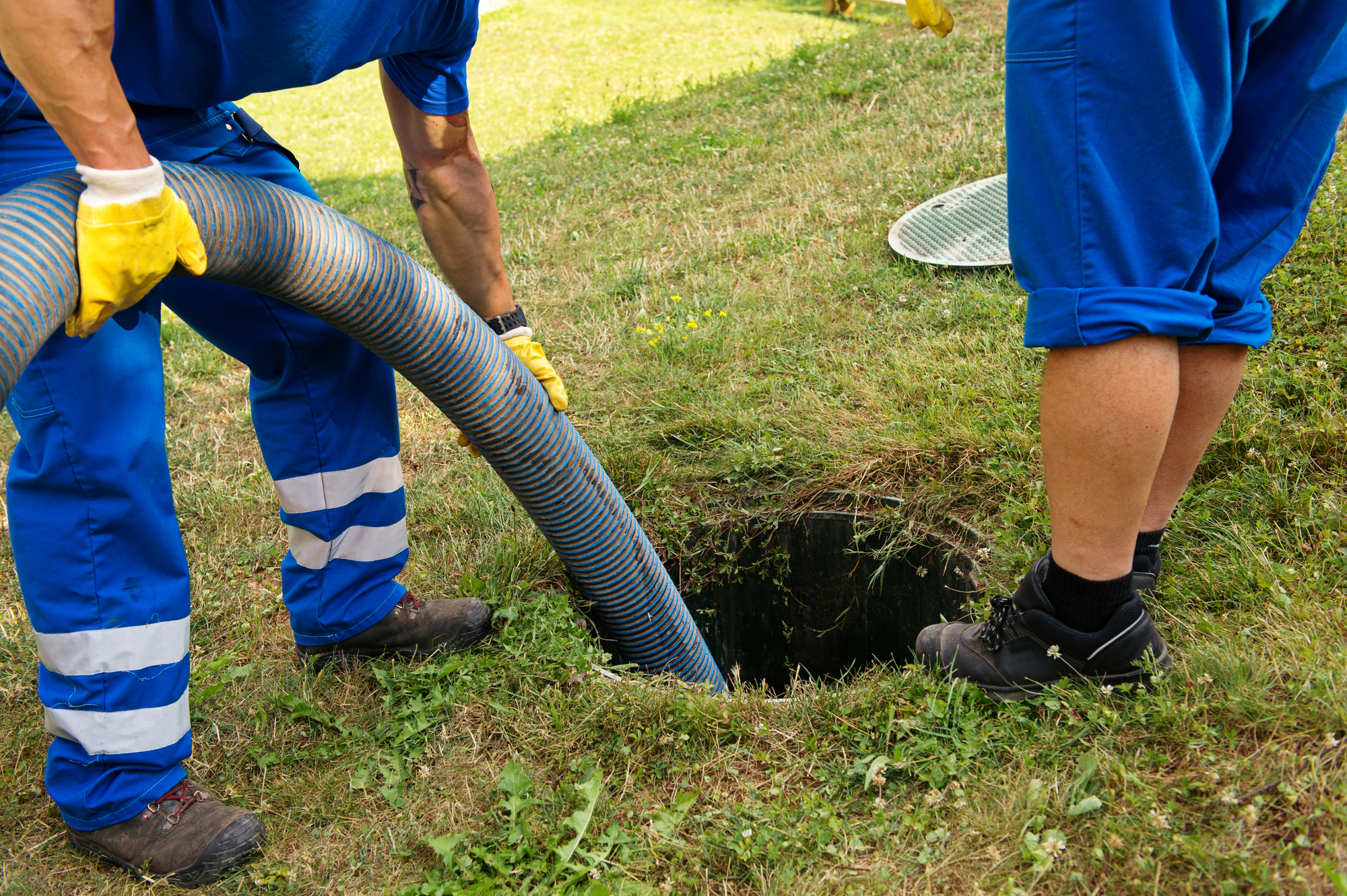
The septic tank still needs regular pumping, typically every 3 to 5 years, just like a conventional system. In fact, keeping the tank properly pumped is even more critical with a mound system because excess solids that escape the tank can clog the sand fill in the mound, leading to system failure. Replacing a clogged mound is extremely expensive.
Pump and Alarm Monitoring
Mound systems include a high-water alarm that alerts you if the dosing chamber fills above normal levels, which can indicate a pump failure or a problem with the mound. Never ignore this alarm. If it sounds, reduce water usage immediately and contact a septic repair professional right away. Continuing to use water when the alarm is active can overload and damage the mound.
Protecting the Mound
- Never drive vehicles or heavy equipment over the mound
- Do not build any structures, including sheds or decks, on or near the mound
- Keep the mound surface covered with grass to prevent erosion
- Divert surface water and roof drainage away from the mound
- Avoid planting trees or deep-rooted vegetation on or near the mound
- Do not add fill dirt to the mound or alter its shape in any way
Signs of Mound System Problems
Watch for these warning signs that your mound system may need professional attention: wet or soggy areas on or around the mound, unusually green or lush grass over the mound compared to the surrounding yard, sewage odors near the mound or in your home, slow drains or gurgling toilets, the high-water alarm sounding, and effluent surfacing on the ground. Any of these symptoms warrants an immediate call to a septic professional.
Pro Tip: If you're purchasing a property with an existing mound septic system, ask for the system's maintenance records and operating permit. A well-documented maintenance history is a strong indicator of a healthy system, while missing records should prompt a thorough professional inspection before you close on the property.
Need help with a mound septic system? We're here for you!