
What Is a Slab Leak and How Is It Repaired?
A slab leak is a water leak that occurs in the plumbing pipes running beneath or within your home's concrete foundation (commonly called the slab). Because these pipes are buried under several inches of solid concrete, slab leaks are difficult to detect and can cause significant damage before a homeowner realizes anything is wrong. Understanding what causes slab leaks, how to spot them early, and what repair options are available can help you protect your home from this potentially devastating problem.
What Causes Slab Leaks?
Several factors can contribute to the development of a slab leak, and in many cases, multiple factors work together over time.
Pipe Corrosion
Copper pipes, which are commonly used in under-slab plumbing, can corrode over time due to the chemical properties of the water flowing through them and the minerals in the surrounding soil. Both internal corrosion (from the water side) and external corrosion (from the soil side) can eventually eat through the pipe wall, creating a leak. Homes with aggressive water chemistry — water that is particularly acidic or has high mineral content — are more susceptible to this type of corrosion.
Abrasion
Pipes naturally expand and contract with temperature changes as hot and cold water flows through them. When a pipe runs through a tight space in the concrete slab, this repeated movement can cause the pipe to rub against the surrounding concrete, gravel, or other pipes. Over years of this continuous friction, the pipe wall wears thin and eventually develops a pinhole leak. Hot water lines are particularly susceptible to abrasion because they experience more thermal expansion and contraction than cold water lines.
Soil Shifting and Foundation Movement
The soil beneath your home is not as static as it seems. Clay soils expand when wet and contract when dry, creating a cycle of movement that can stress the pipes embedded in or beneath the slab. Seismic activity, even minor tremors, can shift the foundation enough to put pressure on pipes. Construction activity nearby, changes in the water table, and erosion can also cause soil movement that damages under-slab plumbing.
Poor Installation or Pipe Quality
Pipes that were kinked, dented, or improperly soldered during installation are more likely to develop leaks over time. Poor-quality pipe materials or fittings that don't meet current standards can also fail prematurely. Homes built during periods of rapid construction may have been plumbed with less attention to detail, increasing the risk of slab leaks decades later.
Warning Signs of a Slab Leak
Because slab leaks are hidden beneath concrete, the signs are often indirect. Learning to recognize these warning signs can help you catch a slab leak before it causes severe damage.
- Unexplained increase in water bills: A sudden or steady rise in your water bill without a corresponding increase in usage is one of the earliest indicators of a hidden leak.
- Sound of running water: If you can hear water flowing or hissing when all fixtures are turned off, water may be escaping from a pipe beneath the slab.
- Hot spots on the floor: A hot water line leak will warm the concrete above it, creating noticeable warm areas on your floor. You may feel these hot spots with bare feet, especially on tile or hardwood flooring.
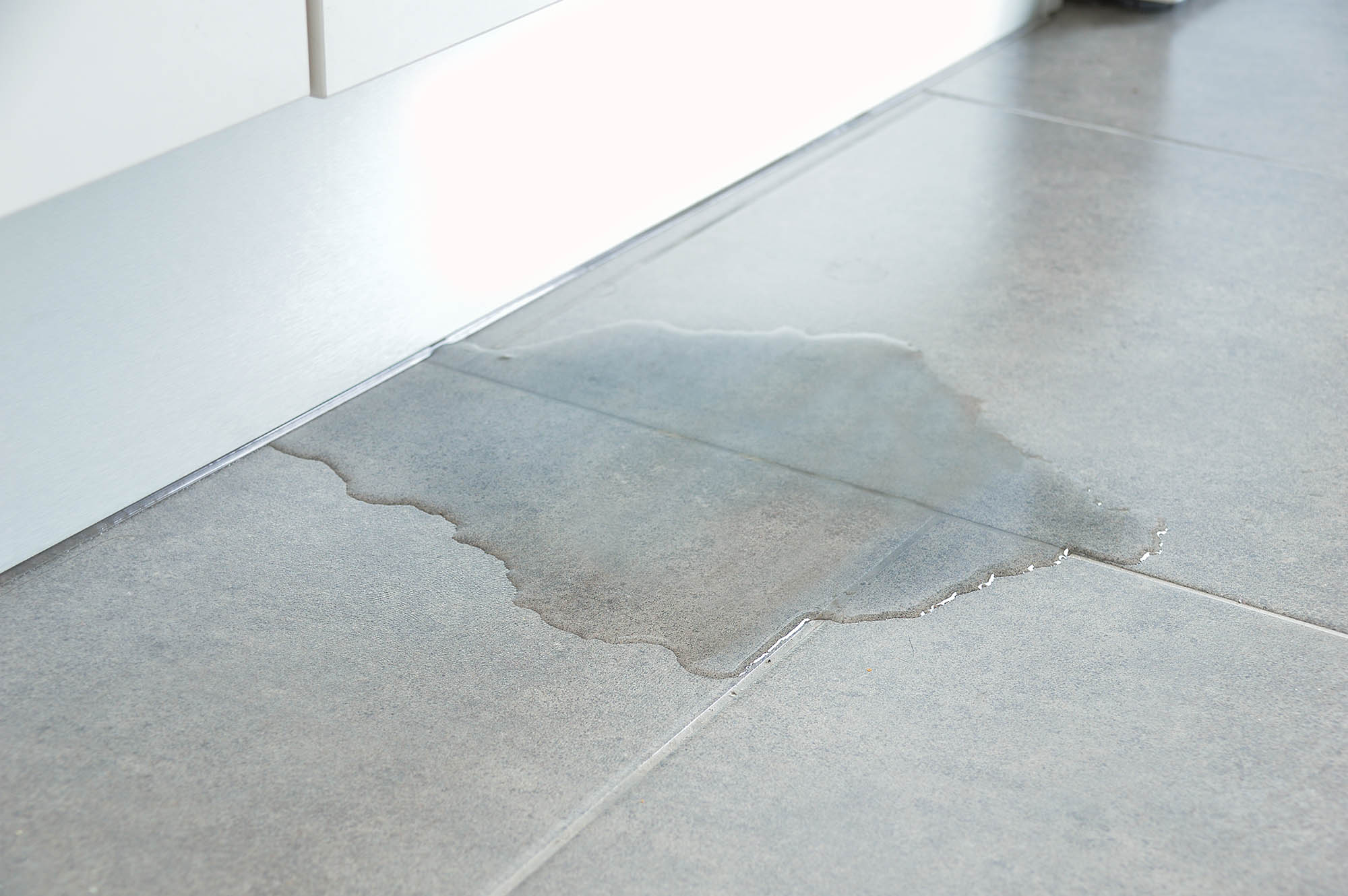
- Damp or wet spots on floors: Water seeping up through the slab can create damp patches on carpet, warped hardwood, or discolored areas on tile or laminate flooring.
- Mold or mildew smell: Persistent moisture beneath the slab creates ideal conditions for mold growth. If you notice a musty smell that you can't trace to a visible source, a slab leak could be the cause.
- Cracks in walls or foundation: A significant slab leak can erode the soil beneath the foundation, causing the slab to shift or settle unevenly. This can result in cracks in the foundation, walls, or flooring.
- Low water pressure: A leak in the supply line beneath the slab reduces the amount of water reaching your fixtures, which you may notice as decreased water pressure throughout the house.
- Water meter test: Turn off all water-using fixtures and appliances in your home, then check your water meter. If the meter is still registering water flow, you have a leak somewhere in the system.
How Slab Leaks Are Detected
Professional leak detection services use specialized technology to locate slab leaks without tearing up your floor. These non-invasive methods allow plumbers to pinpoint the exact location of the leak before any repair work begins.
- Electronic listening devices: Sensitive microphones and amplifiers are placed on the floor to detect the sound of water escaping from a pressurized pipe. The sound pattern helps the technician identify the leak's location.
- Electromagnetic pipe locators: These devices send a signal through the pipe and track it from above, mapping the pipe's path beneath the slab and identifying areas of concern.
- Infrared thermography: Thermal cameras detect temperature variations on the floor surface. A hot water leak will create a warm zone that shows up clearly on the thermal image.
- Pressure testing: The plumber can isolate sections of the plumbing system and pressurize them to determine which line is leaking and approximately where.
Slab Leak Repair Options
Spot Repair
If the leak is in a single, accessible location and the rest of the pipe is in good condition, a spot repair may be the most cost-effective option. The plumber cuts through the concrete slab at the leak location, repairs or replaces the damaged section of pipe, and then patches the concrete. This approach works best for newer pipes with isolated damage, such as a construction defect or localized abrasion.
Pipe Rerouting (Repiping)
When the pipes beneath the slab are old or corroded in multiple areas, repairing individual spots becomes impractical because new leaks will likely develop soon. In these cases, the plumber may recommend rerouting the affected water lines through the walls, ceiling, or attic, bypassing the under-slab pipes entirely. The old pipes are capped off and abandoned in place. While this is a more involved and costly project, it eliminates the risk of future slab leaks in those lines. Our plumbing repair team can evaluate your situation and recommend the best approach.
Epoxy Pipe Lining
In some cases, an epoxy coating can be applied to the interior of the damaged pipe to seal small leaks and prevent future corrosion. This trenchless method avoids the need to break through the slab and is less disruptive than other repair options. However, it's not suitable for all types of damage, particularly larger breaks or collapsed sections.
Full Repipe
For homes with extensive corrosion or a history of multiple slab leaks, a full repipe — replacing all the plumbing lines in the home — may be the most practical long-term solution. Modern piping materials like PEX (cross-linked polyethylene) are flexible, corrosion-resistant, and can be routed through walls and ceilings to avoid running under the slab entirely.
Preventing Slab Leaks
- Monitor your water bill for unexplained increases.
- Test your water pressure periodically — excessively high pressure (above 80 psi) stresses pipes and fittings.
- Consider installing a water pressure regulator if your pressure is consistently high.
- Have your plumbing inspected if your home is more than 20 years old.
- Address water chemistry issues with a water softener or treatment system if your water is aggressive.
Pro Tip: Make it a habit to check your water meter once a month with all fixtures turned off. If the meter is moving even slightly, you have a leak somewhere. Catching a slab leak early — before it causes foundation damage or mold growth — can save you tens of thousands of dollars in repairs.
Suspect a slab leak? Let our experts find and fix it!