
What Is a Water Pressure Regulator and Do You Need One?
Water pressure is one of those things most homeowners take for granted — until it becomes a problem. Too little pressure makes showers weak and appliances slow. Too much pressure, on the other hand, can quietly damage your entire plumbing system. A water pressure regulator (also called a pressure-reducing valve or PRV) is a simple but critical device that keeps your home's water pressure within a safe range.
If you've ever noticed banging pipes, leaking faucets, or appliances that seem to wear out too quickly, high water pressure may be the hidden culprit. In this guide, we'll explain how pressure regulators work, the symptoms of high water pressure, and why installing or maintaining one can save you thousands of dollars in plumbing repairs.
How Does a Water Pressure Regulator Work?
A water pressure regulator is a bell-shaped device typically installed on your main water line where it enters your home. Inside the regulator, a spring-loaded diaphragm automatically adjusts to reduce the incoming water pressure from the municipal supply to a safer, more consistent level for your household plumbing.
Municipal water systems often deliver water at pressures ranging from 80 to 150 psi (pounds per square inch) or even higher, depending on your location and elevation relative to the water source. Most residential plumbing systems are designed to operate at 40 to 60 psi. A pressure regulator acts as a gatekeeper, reducing that high incoming pressure down to a level your pipes, fixtures, and appliances can safely handle.
Most regulators come with an adjustable screw on top that allows a plumber to fine-tune the output pressure. The ideal setting for most homes is around 50 psi, though this can vary depending on the home's elevation, the number of stories, and the specific needs of installed appliances.
Symptoms of High Water Pressure
High water pressure may seem like a luxury — strong showers and fast-filling bathtubs sound appealing. But pressure that exceeds 80 psi puts constant stress on every component in your plumbing system. Here are the most common signs that your water pressure is too high:
- Water hammer: Loud banging or hammering sounds when you turn off a faucet or when an appliance valve closes. This occurs because high-velocity water suddenly stops and the force has nowhere to go.
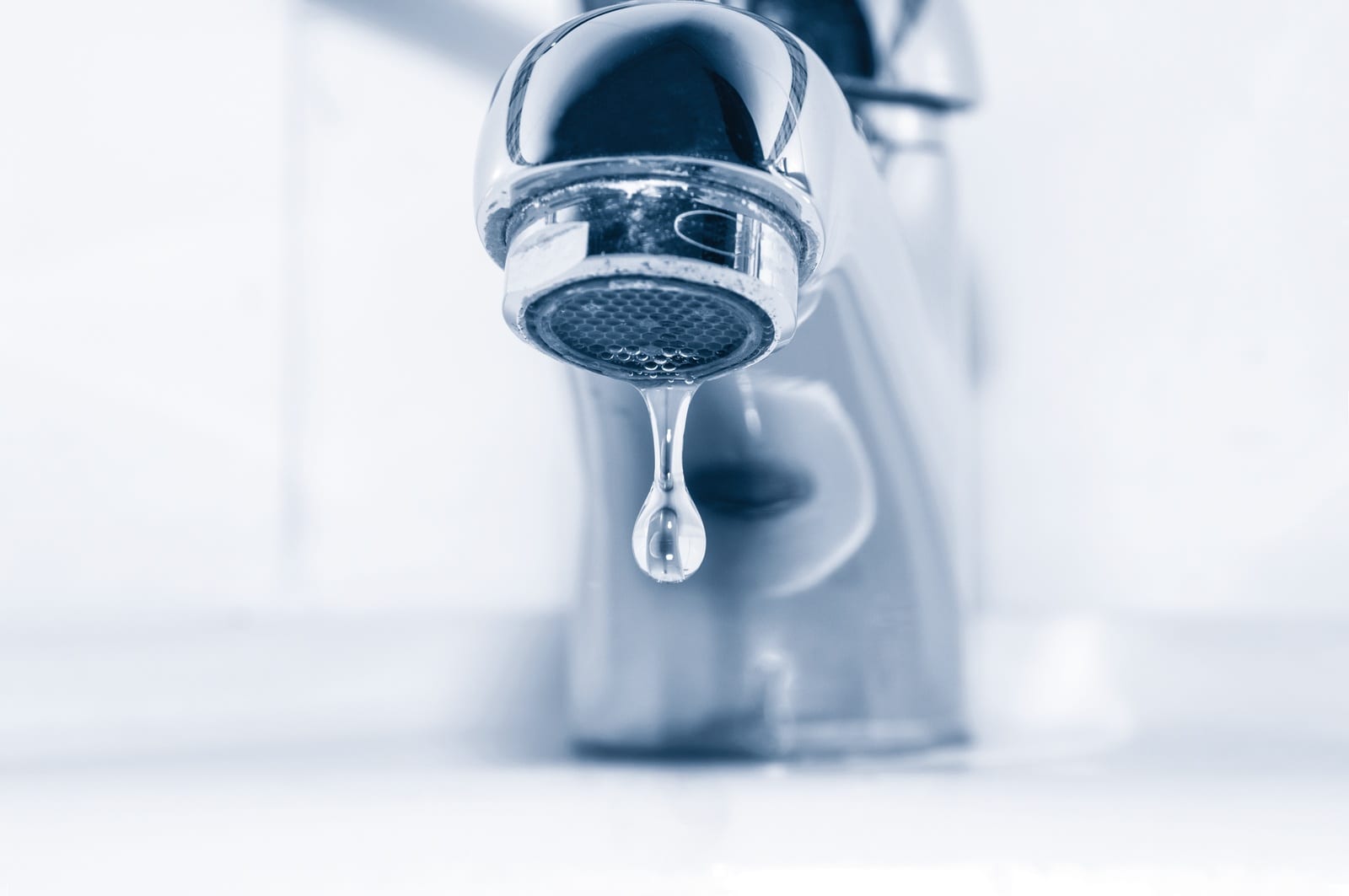
- Leaking faucets: Faucets that drip constantly, even after replacing washers and cartridges, may be failing due to excessive pressure wearing down internal components.
- Running toilets: High pressure can force water past the fill valve in your toilet tank, causing it to run intermittently or continuously.
- Short appliance lifespan: Dishwashers, washing machines, and water heaters are designed for specific pressure ranges. Consistently high pressure shortens their service life and can void warranties.
- Pipe leaks: Over time, high pressure weakens pipe joints and fittings, leading to pinhole leaks or joint failures — particularly in older plumbing systems.
- High water bills: Higher pressure means more water flows through every fixture every time you turn it on, even if your usage habits haven't changed.
Do You Need a Water Pressure Regulator?
If your home's incoming water pressure exceeds 80 psi, a pressure regulator is not just recommended — it's essential for protecting your plumbing. Many newer homes already have one installed, but older homes may not, especially if they were built before pressure regulators became standard practice.
You can check your water pressure yourself with an inexpensive pressure gauge that threads onto any outdoor hose bib. Turn off all water-using appliances in your home, attach the gauge, and open the faucet fully. If the reading is above 80 psi, you should seriously consider having a regulator installed.
Even if your pressure reads within the normal range, keep in mind that municipal water pressure can fluctuate throughout the day and seasonally. A regulator provides consistent protection against these variations, ensuring your plumbing system isn't subjected to periodic pressure spikes.
Installation and What to Expect
Installing a water pressure regulator is a job best left to a licensed plumber. The device is typically placed on the main water line just after the shut-off valve and water meter, before the water enters your home's internal plumbing. The process involves cutting into the main line, fitting the regulator, and testing the output pressure to ensure it's set correctly.
For most homes, a professional plumbing installation of a pressure regulator can be completed in a few hours. Once installed, the regulator requires very little attention, though periodic checks are recommended to ensure it's still functioning properly.
Maintenance and Replacement
Water pressure regulators are mechanical devices with moving parts, which means they do wear out over time. Most regulators last between 10 and 15 years before they need replacement. Signs that your existing regulator may be failing include:
- A gradual increase in water pressure over time
- Return of water hammer or banging pipes
- Fluctuating pressure — sometimes high, sometimes low
- Visible leaks around the regulator body
- No pressure change when you adjust the screw
If you suspect your regulator is failing, don't wait for a pipe burst or appliance failure. A qualified plumber can test the device and recommend plumbing repair or replacement before the problem escalates.
The Cost of Ignoring High Water Pressure
It's tempting to ignore water pressure issues, especially if nothing seems visibly wrong. But the damage caused by chronically high pressure is cumulative and often hidden until a major failure occurs. Replacing a burst pipe inside a wall, repairing water damage to flooring and drywall, or replacing a water heater that failed prematurely can easily cost thousands of dollars — far more than the cost of installing or replacing a pressure regulator.
Think of a pressure regulator as an insurance policy for your plumbing system. It's a small upfront investment that protects against much larger expenses down the road.
Pro Tip: Test your home's water pressure at least once a year, even if you already have a regulator installed. Regulators can fail gradually, and catching a pressure increase early gives you time to replace the device before it causes damage to your fixtures and appliances.
Worried about your water pressure? We'll test it and fix it.