
What Is Backflow Testing and Why Does It Matter?
Every time you turn on a faucet, you expect clean, safe water to flow out. But without proper safeguards, contaminated water can actually flow backward into your drinking supply—a phenomenon known as backflow. Backflow testing is the process that ensures your backflow prevention device is working correctly and keeping your water safe.
What Is Backflow and Why Is It Dangerous?
Backflow occurs when water flows in the opposite direction from its intended path through a plumbing system. Under normal conditions, water pressure keeps water moving in one direction—from the municipal supply into your home or business. However, when pressure drops or reverses, contaminated water can be siphoned back into the clean water supply.
This reversal can introduce dangerous contaminants into your drinking water, including:
- Pesticides and fertilizers from irrigation systems
- Bacteria and chemicals from industrial processes
- Sewage and wastewater from cross-connected plumbing
- Heavy metals and solvents from commercial operations
- Stagnant or non-potable water from storage tanks and fire suppression systems
Backflow contamination can cause serious illness and has been linked to outbreaks of gastrointestinal disease, chemical poisoning, and other public health emergencies. That's why local and state regulations require backflow prevention devices on many types of properties.
How Backflow Prevention Devices Work
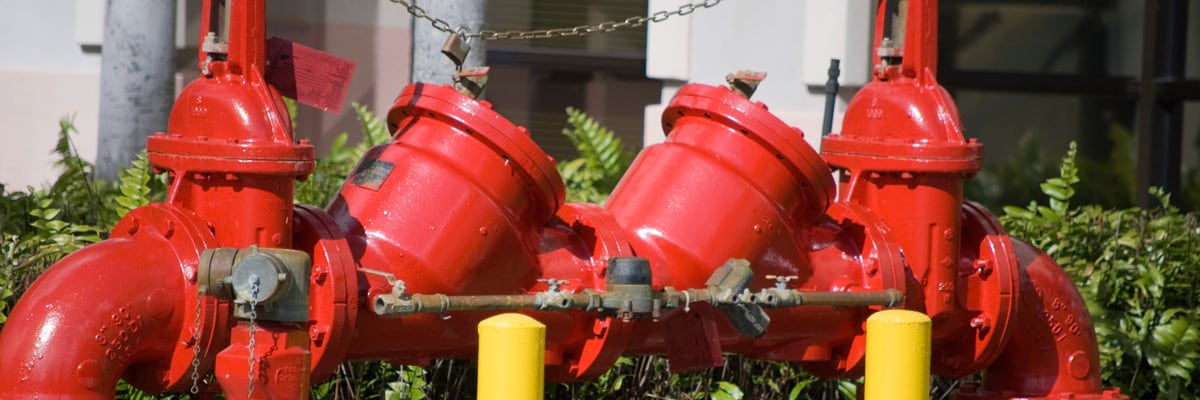
Backflow prevention devices are mechanical assemblies installed on your plumbing system to stop water from flowing backward. They use a combination of check valves, air gaps, and pressure differentials to ensure water only moves in one direction. The most common types include:
- Reduced Pressure Zone (RPZ) assemblies: The most reliable type, featuring two check valves and a pressure-monitored relief valve. These are required for high-hazard applications.
- Double Check Valve Assemblies (DCVA): Two independently acting check valves that provide protection for low- to moderate-hazard connections.
- Pressure Vacuum Breakers (PVB): A single check valve with an air inlet that opens when pressure drops. Commonly used for irrigation systems.
- Atmospheric Vacuum Breakers (AVB): The simplest type, used for individual fixtures where backpressure is not a concern.
These devices contain internal components that wear over time, which is exactly why regular testing is so important. A failing backflow preventer looks like it's working from the outside but may not actually be protecting your water supply.
Georgia Requirements for Annual Testing
In Georgia, backflow prevention devices must be tested annually by a certified backflow tester. The Georgia Environmental Protection Division (EPD) and local water authorities in the Metro Atlanta area require property owners to submit proof of testing each year. Failure to comply can result in fines, water service disconnection, or both.
Most jurisdictions in the Metro Atlanta area—including counties like Cobb, Gwinnett, Fulton, and DeKalb—require annual testing for all commercial properties and residential properties that have irrigation systems, pools, fire sprinkler systems, or other cross-connections.
Pro Tip: Don't wait for your water authority to send a notice. Many jurisdictions issue violations with short deadlines. Scheduling your annual backflow test proactively helps you avoid fines and service interruptions.
What Happens During a Backflow Test
A backflow test is a straightforward process that typically takes 15 to 30 minutes per device. Here's what to expect:
- Locate the device: Your certified tester will find and inspect your backflow prevention assembly, usually located near the water meter or where the main supply enters the building.
- Shut off downstream water: The tester will temporarily shut off water flow downstream of the device to isolate it for testing.
- Attach test equipment: A differential pressure gauge kit is connected to the test ports on the device to measure valve performance.
- Test each component: The tester checks each check valve and the relief valve (if applicable) to ensure they hold proper pressure and close completely.
- Record and report results: Results are documented on an official test form and submitted to your local water authority. If the device passes, you're good for another year.
If the device fails the test, repairs or replacement are required before a passing result can be submitted. In most cases, minor repairs like replacing rubber seals or springs can be done on the spot by a qualified technician.
Signs Your Backflow Preventer May Be Failing
While annual testing is the most reliable way to catch problems, there are some warning signs that your backflow preventer may need attention between scheduled tests:
- Discolored or foul-tasting water: An unusual color, taste, or smell in your tap water could indicate contamination from a failed backflow device.
- Visible leaking: Water dripping from the relief valve or around the assembly suggests internal component failure.
- Reduced water pressure: A partially stuck check valve can restrict normal water flow.
- Sediment or debris in water: Particles appearing in your water may be a sign of backflow from a non-potable source.
- The device is more than 10 years old: Older assemblies are more prone to wear and may need more frequent maintenance or full replacement.
If you notice any of these issues, don't wait for your next scheduled test. Contact a certified backflow technician right away to inspect and service your device.
Commercial vs. Residential Backflow Requirements
While both commercial properties and residential homes can be subject to backflow testing requirements, the rules differ significantly.
Commercial Properties
Nearly all commercial properties are required to have backflow prevention devices. Restaurants, medical facilities, manufacturing plants, car washes, and any business that uses chemicals or has fire sprinkler systems must maintain and test their devices annually. Commercial properties often have multiple backflow assemblies, each of which must be individually tested and reported.
Residential Properties
Residential backflow testing is typically required when a home has an irrigation system, a swimming pool or spa connected to the water supply, a well that supplements municipal water, or a fire sprinkler system. Even if your jurisdiction doesn't currently require testing for your property, having a backflow preventer on your irrigation system is a smart investment in water safety.
Pro Tip: If you've received a backflow test notice from your water authority, don't ignore it. Plumb-All can handle the entire process—from testing to filing the paperwork with your local jurisdiction—so you stay compliant without the hassle.
Protect Your Water with Professional Backflow Testing
Backflow testing isn't just a regulatory checkbox—it's a critical safeguard for your family's or employees' health. At Plumb-All, our certified backflow testers serve homeowners and businesses across Metro Atlanta with fast, thorough testing and same-day repairs when needed. We handle the test, the paperwork, and the peace of mind.
Ready to schedule your backflow test? Plumb-All's certified technicians are here to help.