
What Is Trenchless Sewer Repair?
If you've been told you need sewer line repair, you might be imagining a massive excavation project — heavy equipment tearing up your lawn, destroying landscaping, ripping out sections of your driveway, and leaving your yard looking like a construction site for days or weeks. That used to be the only option, but modern trenchless sewer repair technology has changed the game entirely.
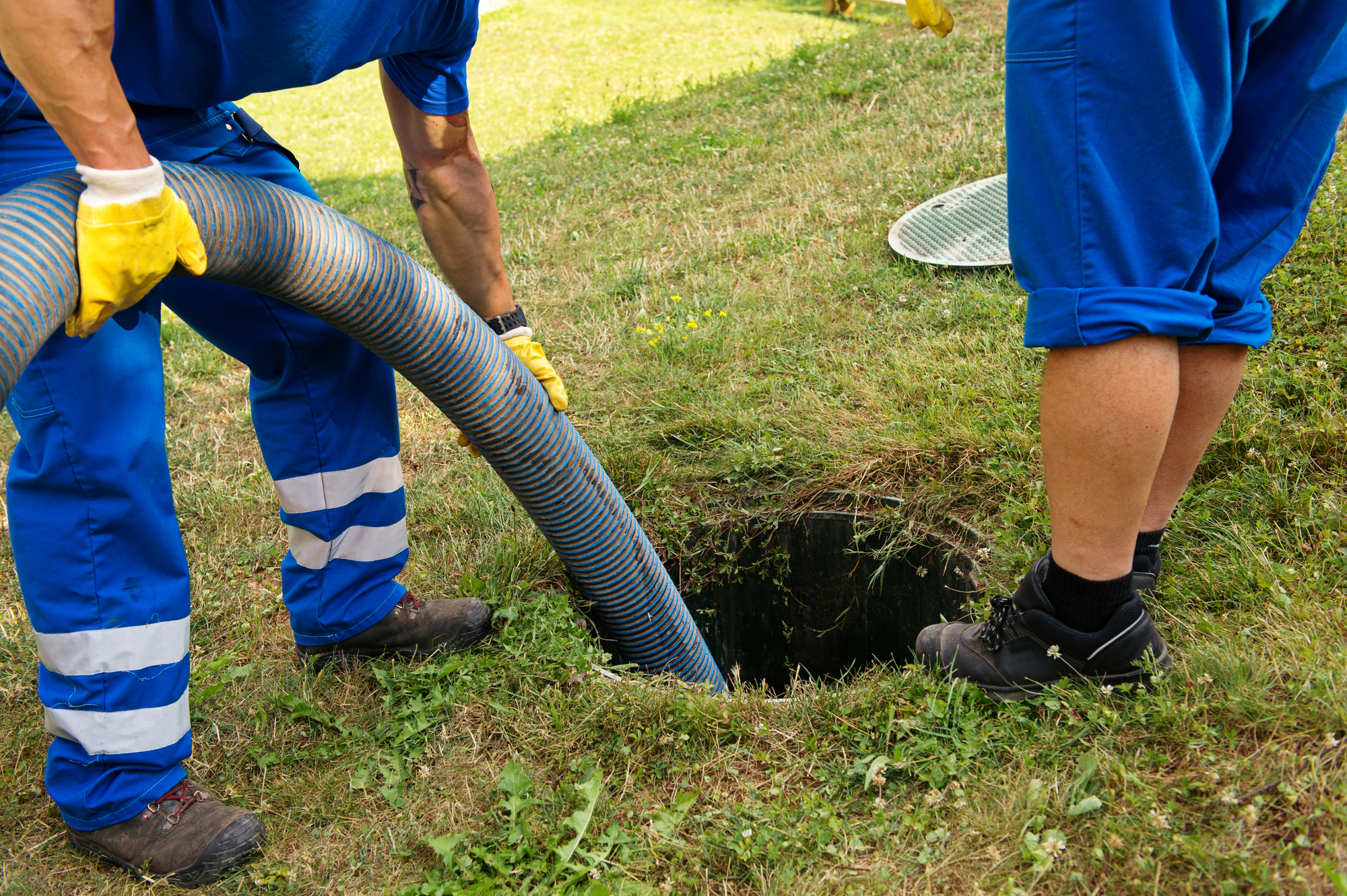
Trenchless sewer repair allows plumbing professionals to fix or replace damaged underground sewer lines with minimal digging. In most cases, the work can be completed in a single day, and your yard, driveway, and landscaping remain virtually untouched. Here's how it works, what methods are available, and how to know if trenchless repair is the right solution for your home.
The Problem with Traditional Sewer Repair
Traditional sewer line repair involves digging a trench along the entire length of the damaged pipe. For most homes, that means excavating a trench several feet deep across the front yard, under sidewalks, through driveways, and sometimes even beneath landscaping features like patios, retaining walls, or mature trees. The process is invasive, time-consuming, and expensive — not because of the pipe repair itself, but because of the extensive excavation and restoration required afterward.
After the pipe is repaired or replaced using traditional methods, you're left with the cost and hassle of re-landscaping, repaving, and restoring everything that was torn up to access the pipe. For many homeowners, the restoration costs can rival or even exceed the cost of the plumbing work itself.
How Trenchless Sewer Repair Works
Trenchless sewer repair uses advanced technology to repair or replace damaged pipes from the inside, typically requiring just one or two small access points rather than a full-length trench. There are two primary methods of trenchless sewer repair: pipe lining (also called cured-in-place pipe or CIPP) and pipe bursting.
Pipe Lining (CIPP)
Pipe lining involves inserting a flexible, resin-coated liner into the existing damaged pipe. The liner is inflated against the interior walls of the old pipe and allowed to cure and harden, creating a smooth, seamless "pipe within a pipe." The result is essentially a brand-new pipe formed inside the old one, sealed against cracks, joints, and root intrusion points.
The process begins with a thorough camera inspection of the existing sewer line to assess the damage and determine if lining is appropriate. The pipe is then cleaned, usually with hydro jetting, to remove roots, buildup, and debris. Once the pipe is clean, the resin-saturated liner is inserted through an access point and positioned inside the pipe. After curing — which can take a few hours depending on the method used — the liner hardens into a durable, corrosion-resistant pipe that can last 50 years or more.
Pipe Bursting
Pipe bursting is used when the existing pipe is too severely damaged for lining — for example, when a pipe has collapsed, been crushed, or is significantly misaligned. In this method, a bursting head is pulled through the old pipe, fracturing it outward into the surrounding soil while simultaneously pulling a new pipe into place behind it.
Pipe bursting requires access points at each end of the section being replaced, but it eliminates the need to dig up the entire pipe. The new pipe is typically made of high-density polyethylene (HDPE), which is extremely durable, flexible, and resistant to root intrusion and corrosion. This method effectively gives you a completely new sewer line without the destruction of traditional excavation.
Benefits of Trenchless Sewer Repair
Trenchless methods offer several significant advantages over traditional sewer repair:
- Minimal disruption: Your lawn, landscaping, driveway, and sidewalks stay intact. No heavy excavation equipment is needed in most cases.
- Faster completion: Most trenchless repairs can be completed in a single day, compared to several days or even weeks for traditional methods.
- Lower total cost: While the plumbing work itself may cost slightly more, you save substantially by avoiding landscaping and hardscape restoration expenses.
- Longer-lasting results: CIPP liners and HDPE pipes are highly resistant to root intrusion, corrosion, and joint failures — the most common causes of sewer line problems.
- Improved flow: The smooth interior surface of a CIPP liner or new HDPE pipe actually improves flow capacity compared to older pipes with rough, corroded, or root-damaged interiors.
- Environmentally friendly: Less digging means less soil disturbance, less waste, and less impact on the surrounding environment.
When Is Trenchless Repair the Right Choice?
Trenchless sewer repair works well in many situations, but it's not the right solution for every problem. It's typically a good fit when you're dealing with:
- Cracked, fractured, or deteriorating sewer pipes
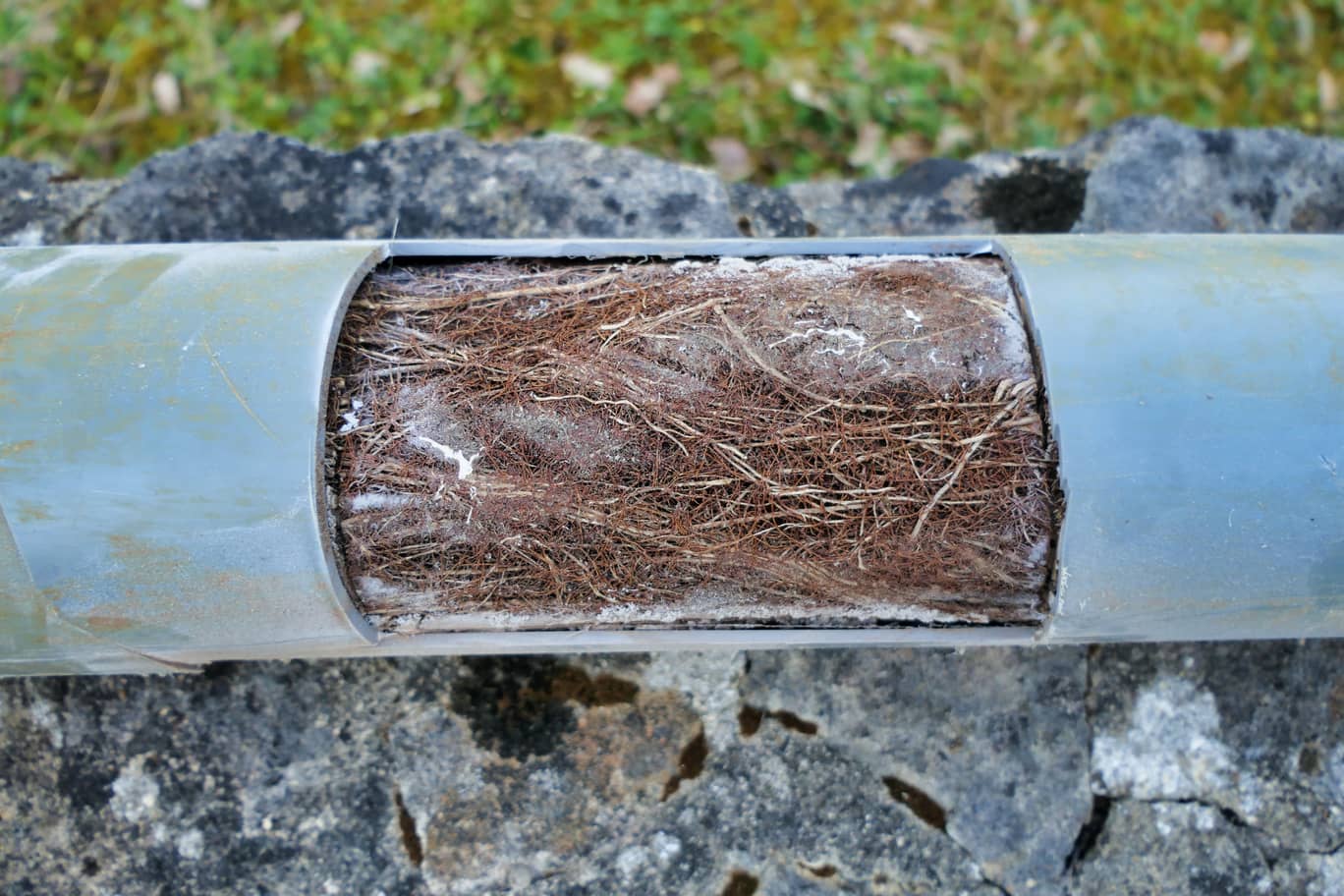
- Root intrusion that has damaged pipe joints
- Pipes with multiple leaks or weak points along their length
- Corroded cast iron or clay pipes that need to be replaced
- Offset joints where pipe sections have shifted out of alignment
- Sewer lines that run beneath driveways, sidewalks, or landscaping you want to preserve
Trenchless methods may not be ideal if the pipe has completely collapsed over a long section, if the pipe diameter needs to be significantly increased, or if there are severe bellies (low spots) in the pipe that prevent proper flow. A professional camera inspection is essential to determine whether your specific situation is a good candidate for trenchless repair.
Signs You May Need Sewer Line Repair
Sewer line problems don't always announce themselves with a dramatic backup or flooding event. Often, the warning signs are more subtle. Watch for these indicators that your sewer line may need attention:
- Multiple drains in your home that are slow or backing up simultaneously
- Gurgling sounds coming from drains or toilets
- Sewage odors in your yard or near your home's foundation
- Unexplained lush patches of grass in the yard, especially over the sewer line path
- Frequent drain clogs that keep coming back despite repeated drain cleaning
- Foundation cracks or settling that could be related to water erosion from a leaking sewer line
If you notice any of these symptoms, it's important to have the sewer line inspected before the problem gets worse. Early intervention with trenchless repair can often address the issue before it escalates into a full line replacement. Our team can perform a comprehensive inspection and recommend the best approach for your situation, whether that's trenchless repair or a more traditional plumbing repair solution.
Pro Tip: If you have an older home with original cast iron or clay sewer pipes, consider scheduling a preventive camera inspection even if you're not experiencing problems. Identifying early signs of deterioration or root intrusion allows you to plan and budget for repairs before an emergency strikes.
Think you might need sewer line repair? Let's take a look!