
What to Do in a Plumbing Emergency
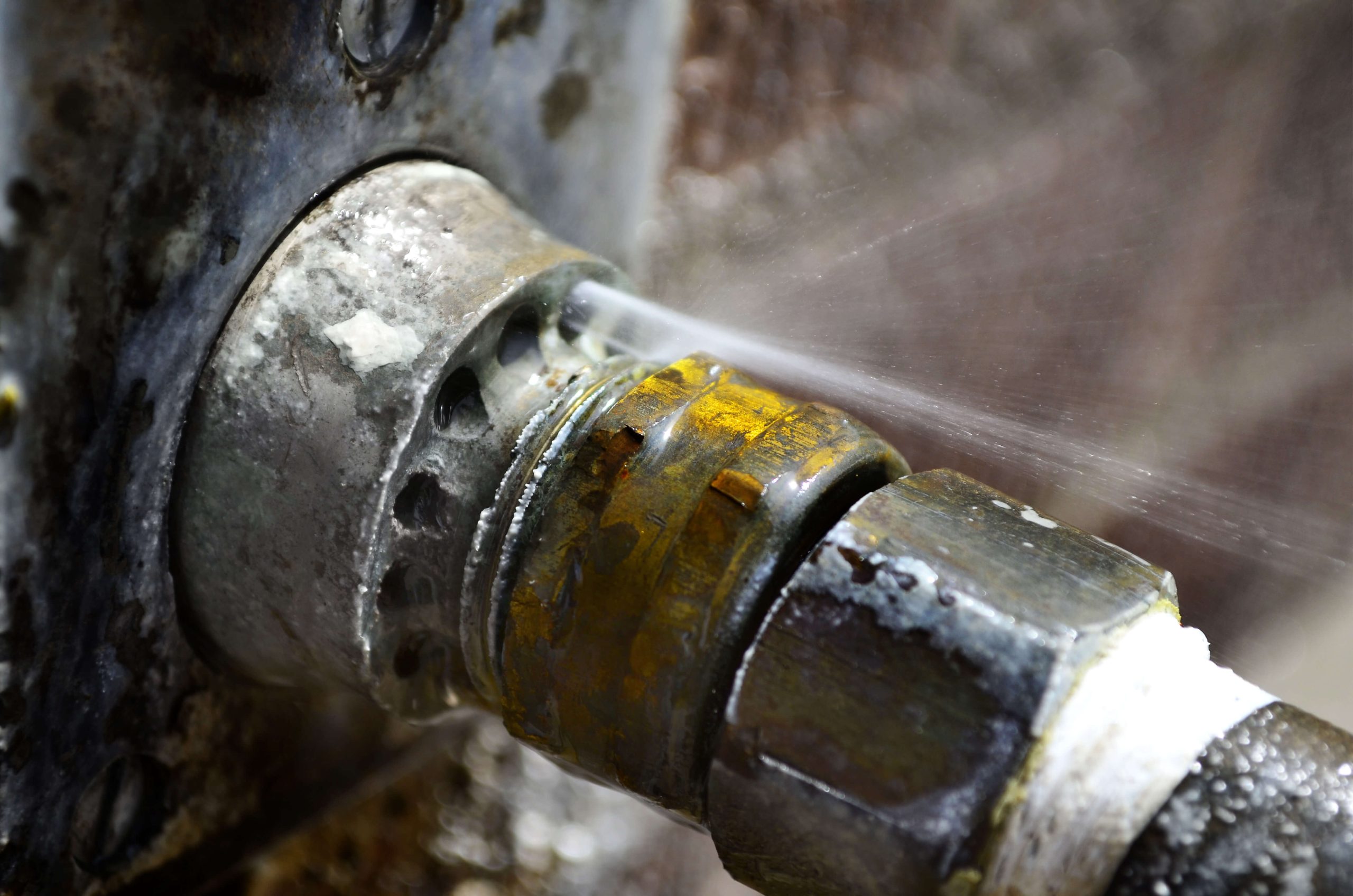
A plumbing emergency can strike without warning. Whether it's a burst pipe flooding your basement, a sewage backup in your bathroom, or an overflowing water heater, the first few minutes are critical. How you respond before the plumber arrives can mean the difference between a minor repair and thousands of dollars in water damage. Here's a step-by-step guide to help you stay calm and take the right actions when disaster strikes.
Pro Tip: Bookmark this page or print it out and keep it near your main water shut off valve. In a true emergency, you won't have time to search for instructions.
Step 1: Shut Off the Water
The single most important thing you can do during a plumbing emergency is to stop the flow of water. Every second that water continues to flow means more damage to your floors, walls, furniture, and belongings. If the problem is isolated to a single fixture like a toilet or sink, look for the individual shut off valve near that fixture and turn it clockwise to close it.
If the leak is more widespread or you can't identify the source, go straight to your main water shut off valve and turn off the water supply to the entire house. Not sure where your shut off valve is located? Read our guide on how to find your water shut off valve so you're prepared before an emergency happens.
Step 2: Turn Off the Water Heater
Once the main water supply is shut off, turn off your water heater as a precaution. When the water supply is cut and the tank empties, the heater can overheat and potentially cause damage or even burst. For a gas water heater, turn the gas valve to the "off" position. For an electric water heater, switch off the appropriate breaker at your electrical panel.
Pro Tip: Label your electrical panel breakers clearly so you can quickly identify the water heater circuit during an emergency. This simple step can save valuable time when every minute counts.
Step 3: Open Drains and Spigots
Even after you've shut off the main water supply, there's still water sitting in your pipes that can continue to leak. To drain this remaining water, open any outdoor spigots and turn on the cold water taps in your home. This redirects the water in your pipes away from the problem area and helps reduce pressure in the system. Be careful not to turn on any hot water taps, as this could cause issues with your water heater.
Step 4: Assess the Damage
With the water stopped, take a moment to assess the situation. Look for the source of the leak and take note of any visible damage. If it's safe to do so, start cleaning up standing water with towels, mops, or a wet/dry vacuum. The faster you remove standing water, the less likely you are to experience secondary damage like mold growth or warped flooring.
- Take photos and videos of the damage for insurance documentation
- Move furniture, electronics, and valuables away from the affected area
- If water is near electrical outlets or appliances, turn off electricity to that area at the breaker
- Open windows and doors to improve ventilation and help the area dry out
- Place buckets under any active drips to contain remaining water
Step 5: Call a Professional
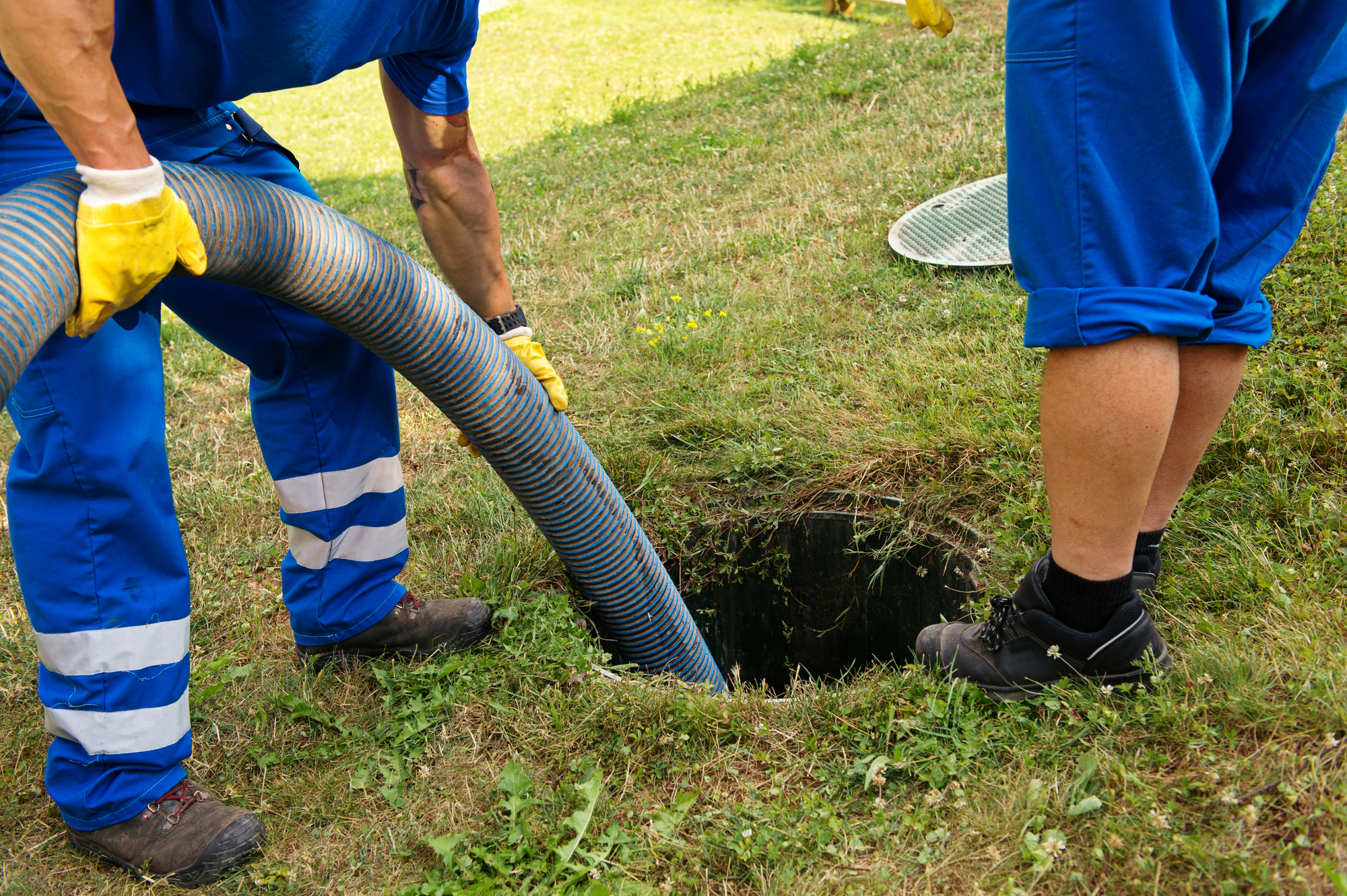
Once you've taken these immediate steps, it's time to call a licensed plumber. A plumbing emergency requires professional expertise to properly diagnose and fix the underlying problem. At Plumb-All, we offer 24/7 emergency plumbing services throughout Metro Atlanta. Our experienced technicians can respond quickly to stop the damage and get your plumbing system back to normal.
When you call, be ready to describe what happened, where the water is coming from, and what steps you've already taken. This helps the plumber prepare the right tools and parts so they can resolve the issue as quickly as possible.
What Counts as a Plumbing Emergency?
Not every plumbing problem requires an emergency call. Understanding the difference can save you money while still ensuring you get help when you truly need it. Here are situations that warrant an immediate call:
- Burst or broken pipes causing active flooding
- Sewage backups creating health hazards in your home
- No water at all when it's not a utility company issue
- Gas line leaks near plumbing fixtures (leave the house and call 911 first)
- Overflowing toilets that won't stop with the shut off valve
- Major leaks that could cause structural damage
Issues That Can Usually Wait
On the other hand, some plumbing issues are inconvenient but not urgent. A slowly dripping faucet, a toilet that runs intermittently, minor leak detection concerns, or a slightly slow drain can typically wait for a scheduled appointment during regular business hours. Scheduling a non-emergency visit is usually more cost-effective than calling for after-hours service.
Why DIY Fixes During Emergencies Can Make Things Worse
When water is pouring into your home, it's tempting to try a quick fix yourself. However, attempting DIY plumbing repairs during an emergency often creates bigger problems. Pipe clamps, epoxy putty, and duct tape may seem like reasonable temporary solutions, but they can mask the true extent of the damage and give you a false sense of security.
Improper repairs can also make the situation worse. Overtightening a fitting can crack a pipe. Using the wrong sealant can contaminate your water supply. And working near water and electricity without proper training puts your safety at risk. Your job during a plumbing emergency is to stop the water and prevent further damage, not to fix the pipe itself. Leave the repair work to a licensed professional who has the tools, training, and experience to do the job safely and correctly.
Pro Tip: Keep a basic emergency plumbing kit handy that includes a pipe wrench, plumber's tape, old towels, a bucket, and a flashlight. These items can help you manage a situation until professional help arrives, without attempting risky repairs.
Plumbing emergencies are stressful, but preparation makes all the difference. Know where your shut off valves are, keep emergency contact numbers accessible, and remember that acting quickly in those first few minutes is the best way to protect your home from serious water damage.
Dealing with a plumbing emergency? Plumb-All is here for you 24/7.