
Winter Plumbing Tips for Atlanta Homeowners
While Atlanta doesn't experience the brutal winters that the northern states are known for, our region does see its fair share of freezing temperatures between December and February. In fact, because many Atlanta homes were built without extreme cold in mind, our plumbing systems can actually be more vulnerable to freeze damage than homes in colder climates. Pipes may be routed through uninsulated crawl spaces, exterior walls, or attics where they're exposed to the cold.
A single night of below-freezing temperatures is all it takes to burst a pipe, potentially causing thousands of dollars in water damage. The good news is that with some preparation and awareness, you can protect your home's plumbing system throughout the winter months. Here's everything Atlanta homeowners need to know.
Why Frozen Pipes Are Dangerous
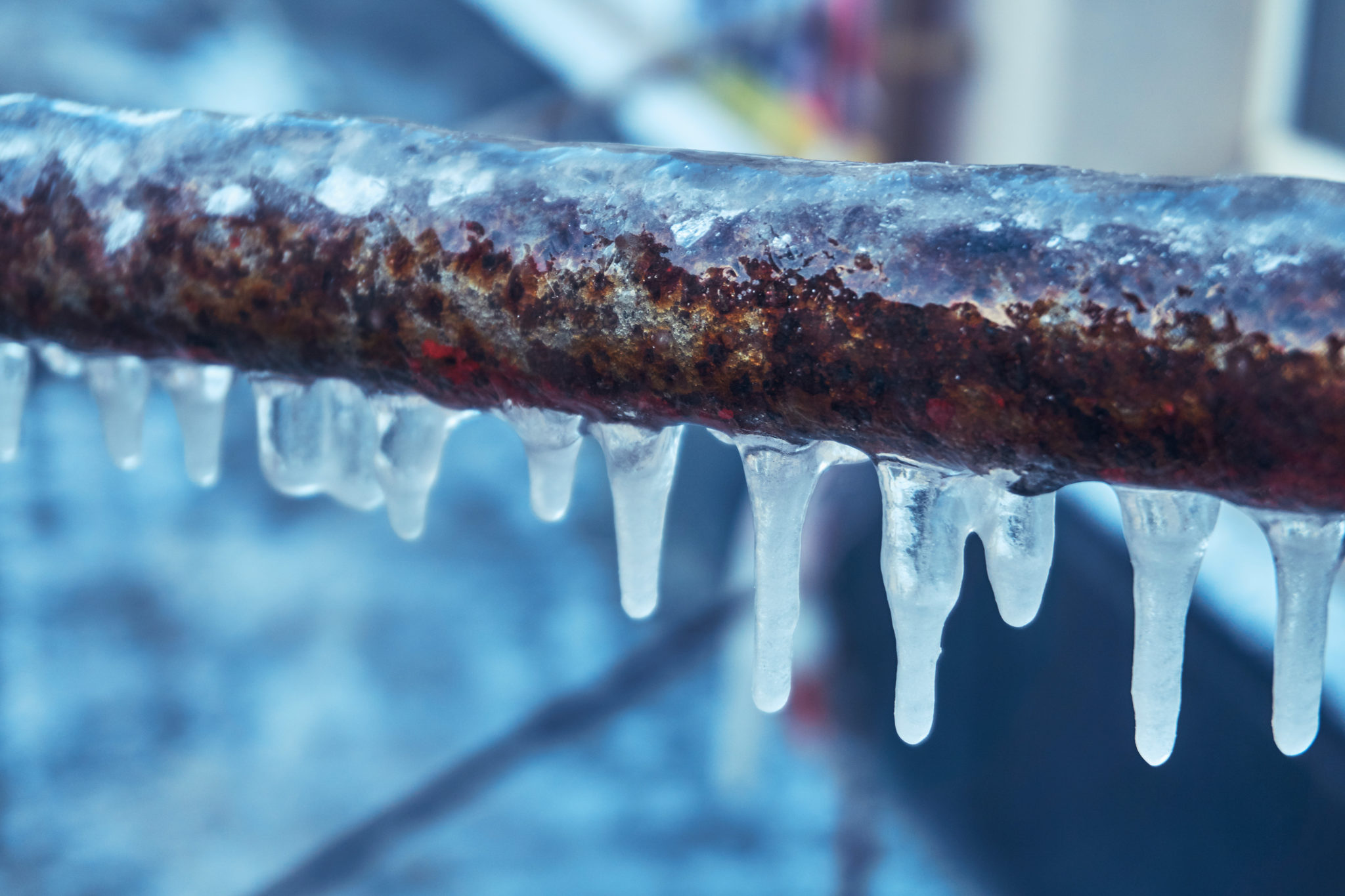
When water freezes inside a pipe, it expands by approximately nine percent. This expansion creates enormous pressure within the pipe, often exceeding 25,000 pounds per square inch. That's more than enough to split copper, PVC, or even steel pipes. The real danger comes when the ice thaws. Once the blockage melts, water rushes through the cracked or burst pipe, flooding your home with potentially hundreds of gallons of water per hour.
The pipes most at risk in Atlanta homes include those in exterior walls, unheated garages, crawl spaces, attics, and any outdoor plumbing fixtures like hose bibs and irrigation systems.
Before the Cold Arrives: Winterization Steps
Disconnect and Drain Outdoor Hoses
Before the first freeze of the season, disconnect all garden hoses from outdoor faucets. A connected hose traps water in the faucet and the pipe behind it, making it much more likely to freeze and burst. After disconnecting, open the outdoor faucet briefly to let any remaining water drain out. If your home has interior shut-off valves for outdoor faucets, close them and drain the lines.
Insulate Exposed Pipes
Pipe insulation is inexpensive and easy to install. Foam pipe sleeves or fiberglass wrapping should be applied to any exposed pipes in your crawl space, attic, garage, or basement. Pay special attention to pipes that run along exterior walls or in unheated areas. For added protection in particularly vulnerable spots, consider using heat tape or heat cables, which provide a gentle warmth that prevents freezing.
Seal Air Leaks Near Pipes
Cold air drafts can quickly drop the temperature around your pipes to dangerous levels. Check for gaps and cracks where pipes enter your home through exterior walls, and seal them with caulk or spray foam insulation. Also check around windows, doors, and vents in areas where pipes are located. Even a small draft can make the difference between a pipe that stays liquid and one that freezes.
Service Your Water Heater
Your water heater works harder during the winter months because the incoming water is colder. This extra strain can lead to breakdowns at the worst possible time. Have your water heater inspected and flushed before winter to ensure it's operating efficiently. Check the temperature setting and make sure it's set to 120 degrees Fahrenheit for optimal performance and safety.
During Freezing Weather: Active Protection
Let Faucets Drip
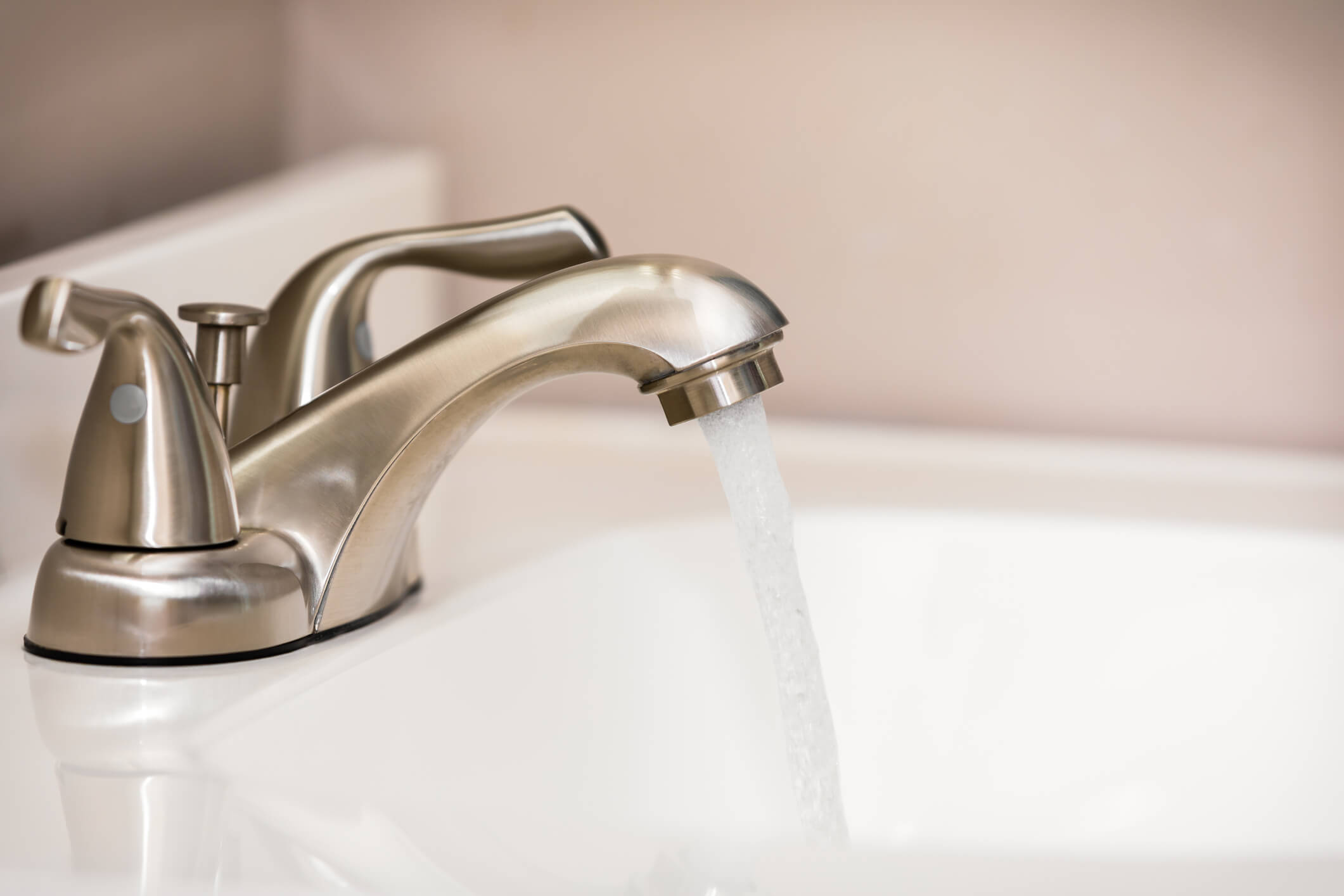
When temperatures drop below freezing, open both hot and cold faucets on vulnerable pipes to a slow drip. Moving water is much harder to freeze than standing water. You don't need a heavy flow; a slow, steady drip is sufficient. Focus on faucets served by pipes that run through exterior walls or unheated spaces.
Open Cabinet Doors
Kitchen and bathroom cabinets along exterior walls can trap cold air around the pipes inside them. During cold snaps, open these cabinet doors to allow warm air from your home to circulate around the pipes. If you have small children, make sure to move any household chemicals or cleaning supplies to a safe location first.
Keep Your Thermostat Consistent
Resist the temptation to turn the heat down too low at night or when you leave the house. Keep your thermostat set to at least 55 degrees Fahrenheit at all times during winter, even if you're away on vacation. The small increase in your heating bill is far less expensive than repairing burst pipes and water damage.
What to Do If Your Pipes Freeze
If you turn on a faucet and only a trickle comes out, or nothing at all, you likely have a frozen pipe. Here's what to do:
- Keep the faucet open. As the ice begins to melt, water needs somewhere to go. Running water through the pipe will also help melt the remaining ice.
- Apply gentle heat to the frozen section. Use a hair dryer, heating pad, space heater, or towels soaked in hot water. Never use an open flame, blowtorch, or propane heater, as these can damage the pipe or start a fire.
- Work from the faucet toward the frozen area. This allows water to flow out as you thaw the pipe, reducing pressure buildup.
- Check all other faucets in your home. If one pipe is frozen, others may be as well.
- If you can't locate the frozen section or can't thaw it, call a professional plumber immediately.
What to Do If a Pipe Bursts
A burst pipe is a plumbing emergency that requires immediate action:
- Shut off the main water supply immediately. Every member of your household should know where the main shut-off valve is located.
- Turn off the electricity in any areas affected by flooding to prevent electrical shock.
- Call a professional plumber right away for emergency plumbing repair.
- Begin removing standing water as quickly as possible to minimize damage to flooring, walls, and belongings.
- Document the damage with photos and videos for your insurance claim.
Preparing for Vacation During Winter
If you're leaving your Atlanta home for an extended period during the winter, take these extra precautions:
- Keep the heat on and set to at least 55 degrees Fahrenheit
- Ask a trusted neighbor or friend to check on your home daily
- Consider shutting off the main water supply and draining the system if you'll be gone for more than a few days
- Open cabinet doors under sinks along exterior walls
- Make sure your garage door stays closed if there are water lines in the garage
Pro Tip: Install a smart water leak detector near your water heater and in your crawl space. These affordable devices connect to your phone and will alert you immediately if they detect water, giving you time to act before a small leak becomes a major flood.
Need help winterizing your plumbing? We're here for you!